A Week In Venice, Florence & Rome
Travel from Florence through the Chianti hills, in the heart of the Chianti Classico region, on a day trip to Badia di Passignano; the hilly landscape, basking in golds and greens, is filled with

Renaissance cities, vineyards and rolling hills
Florence anchors the region with an unmatched concentration of Renaissance art and architecture — the Uffizi, Brunelleschi’s dome, Michelangelo’s David — but Siena, Lucca and Arezzo each offer their own distinct character and are worth building into any longer itinerary. The cities reward a mix of structured highlights and time spent simply wandering: neighbourhood backstreets, small churches, morning markets and unhurried cafes.
South of Florence, Tuscany opens into the UNESCO-listed Val d’Orcia — a landscape of rolling clay hills, cypress-lined roads and stone farmhouses that lives up to every photograph. The hill towns of Montalcino, Montepulciano and Pienza sit within easy reach of each other, and the Chianti wine route between Florence and Siena offers some of the most rewarding driving in Italy.
Tuscan cooking is built on quality ingredients and restraint: bistecca alla Fiorentina, hand-rolled pici pasta, slow-cooked ribollita and some of Italy’s finest red wines. The best meals here are long, local and deeply satisfying — a natural end to most days in the region.
Renaissance art cities, vineyard landscapes, hill towns and unhurried countryside dining.
Florence, at least one hill town stay and time for an unhurried meal in the countryside.
April to June and September to October for comfortable walking, clear light and fewer crowds.
Warm summers and cooler winters; spring and autumn are most comfortable for city and countryside.
3.6mil people mainly in historic cities and rural towns known for local pride and traditions.
Florence (regional capital), Prato, Livorno and Pisa.
Simple seasonal cooking, ribollita, pici pasta, grilled meats and renowned Chianti wines.
Excellent trains between major cities; a car or driver is best for countryside and hill towns.
Popular ways to experience Tuscany include our Escorted Tours, Scenic Journeys through Tuscany and explore Art & Culture Tours.
Travel from Florence through the Chianti hills, in the heart of the Chianti Classico region, on a day trip to Badia di Passignano; the hilly landscape, basking in golds and greens, is filled with

Explore Tuscany through its villages, landscapes and local traditions, blending iconic towns with authentic experiences in the region’s true heartland.

A guided Tuscan walking journey through medieval towns, countryside trails and local food experiences, balanced with culture, history and a characterful agriturismo stay.
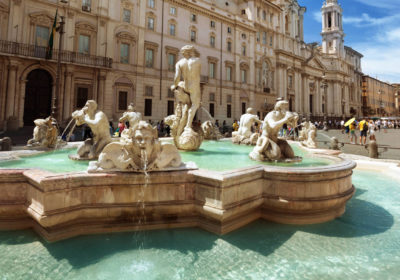
Experience Italy’s classic cities and the Bay of Naples on an 11-day escorted tour from Rome, combining Florence and Venice with Pompeii, Sorrento and Capri, plus Vatican sightseeing and regional food experiences.
September in Tuscany is the revelation that changes how you think about the region. The vendemmia (grape harvest) is underway in the Chianti and Montalcino hills, the light softens to gold in the afternoons, and the summer crowds have thinned enough that you can actually move through places without elbowing past tour groups. The cypress-lined roads look exactly as you imagined them when you decided to go to Italy. The hotels and agriturismos that were booked solid in August suddenly have availability. This is Tuscany at its least stressful and most genuine.
Florence is where most people spend their time, but the Oltrarno neighbourhood on the south bank of the Arno is where the real city lives. The Pitti Palace and its gardens, the leather workshops on Via de’ Bardi (where craftspeople are still making leather as they did in the Renaissance), the cicchetti culture in wine bars—this is the side of Florence that doesn’t appear in the guidebook photos. The Brancacci Chapel in Santa Maria del Carmine holds Masaccio’s frescoes, some of the most important paintings in Western art, and entry is limited to 30 people at a time. You’ll stand in front of them without fighting through crowds. If you arrive at Siena at 7am, before the tour buses, the Piazza del Campo is one of the great Italian experiences: the medieval herringbone brick in the piazza, the nine sections representing the medieval governance, the Palazzo Pubblico at the wide end. The Palio horse race (July and August) is genuinely extraordinary but requires booking accommodation months ahead.
The Val d’Orcia south of Siena is where the landscape becomes almost abstract. Pienza is the ideal Renaissance city, built in a single century as a utopian vision; you can walk from one end to the other in a day and grasp its entire design. Monticchiello is a fortified village on a ridge overlooking hills that roll to the horizon. La Foce gardens (open Wednesday afternoons and select dates) were designed by Iris Origo; the cypress avenue that lines the garden drive is iconic and appears in a thousand photographs of Tuscany. The Chianti Classica route between Greve in Chianti and Castelnuovo Berardenga passes through Panzano (where Dario Cecchini runs one of Italy’s legendary butcher shops and serves 10-course tastings of beef), Radda, and Gaiole. Montepulciano climbs uphill to the Piazza Grande; Montalcino sits below its fortress and produces Brunello, possibly Italy’s finest wines.
The food is inseparable from the landscape. Bistecca alla Fiorentina is a Chianina beef T-bone ordered al sangue and priced by weight; never ask for it well done. Ribollita is twice-cooked bread soup with cavolo nero (Tuscan kale), and pici are hand-rolled thick spaghetti from the southern part of the region. Cinghiale (wild boar) becomes pasta, roasted, or cured. Pecorino di Pienza is a sheep’s cheese that melts on your tongue. Cantucci (almond biscuits) and Vin Santo are the traditional dessert. The olive oil from around Lucca or the Chianti hills is green, peppery, and nothing like the commodity olive oil you buy at home. September is harvest time, and if you visit a winery or olive mill you’ll see the year’s work coming in. Montalcino and Montepulciano wines are serious things; a basic Brunello or Vino Nobile costs more than expected, but the quality justifies it.
May and June are perfect if you prefer not to visit in September, though accommodation is more expensive. October is beautiful but starts to get cool in the evenings. Avoid August entirely if you can; it’s hot, crowded, and many restaurants close in the second half of the month. Book the famous restaurants (Dario Cecchini, Enoteca Pinchiorri in Florence) well ahead. The Wine Road and the Val d’Orcia are best explored by car; the distances are short but the back roads reward driving. Hire a driver for a day if you want to do serious wine tasting without worrying about driving.
Tuscany rewards both first-timers and those returning. Even if you’ve been to Florence and Chianti before, the Val d’Orcia and the hill towns south of Siena offer a completely different Tuscany—less wine tourism, more genuine landscape and art. Seven to ten days is the minimum to move beyond the obvious places.


April–June and September–October are Tuscany’s sweet spot, combining comfortable weather, vineyard scenery and a calmer pace than peak summer.
Spring suits city walking and countryside day trips with longer daylight. Summer brings hotter afternoons and busy highlights, so early starts and slower days work best. Autumn is a favourite for vineyard landscapes and food-focused travel, while winter is quieter and suits travellers who enjoy museums, cosy dining and relaxed itineraries.
Climate figures are indicative monthly summaries derived from Open-Meteo.com historical weather data for 2015–2024.
Tuscany has endless options. We help you choose the right mix of cities, countryside and experiences for your travel style.
We help balance art cities and countryside time so you get variety without exhausting travel days or backtracking.
From hill town days to food and wine experiences, we recommend options that feel authentic and genuinely enjoyable.
Clear advice from Australia, with trusted operators and transparent inclusions to keep planning straightforward.
Ready to plan your Tuscany tour? We'd love to help.
Talk to us about Tuscany
Tuscany is made for a day that feels simple and satisfying. A hill town in the morning, scenic countryside in between, and a long lunch that leans into local cooking. It is not complicated, and that is the point.
We like to plan these days with plenty of time to walk and linger, rather than racing between multiple stops. It gives you a better feel for the region and keeps the trip relaxed.
If you enjoy food and wine, we can also include a small tasting or producer visit in a way that fits naturally into the day.
Tuscany accommodation ranges from central city hotels to countryside agriturismi and boutique villas. The best choice depends on your itinerary: cities suit walkable bases, while countryside stays prioritise atmosphere and views. In popular seasons, the most sought-after countryside properties can book early due to limited rooms.
Bernini Palace Hotel is an accommodation base in Florence, Tuscany featured in A Week In Venice, Florence & Rome.
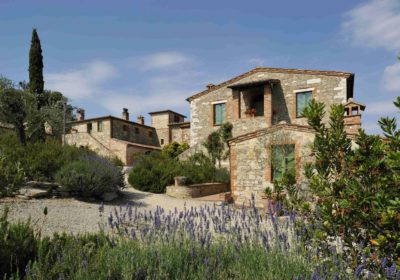
14th century Manor house surrounded by the Tuscan hills.
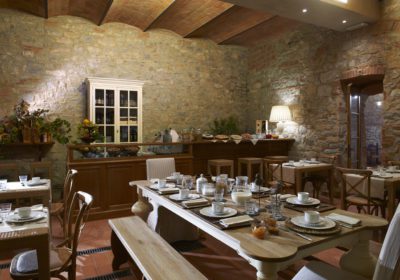
A centrally located hotel with fantastic views overlooking Chianti.
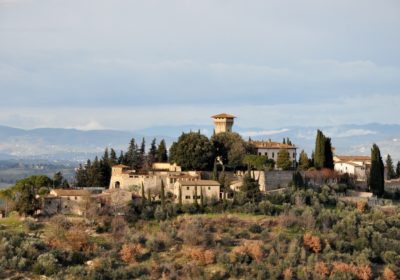
A historic castle dating back to the time of the Renaissance.
Cellai Boutique Hotel is an accommodation base in Florence, Tuscany featured in Florence & Venice Escapade 2026.
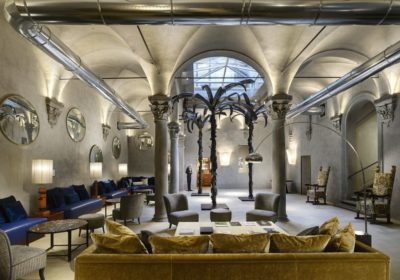
This centrally located hotel is only a short distance from Florence's historical sites.

Sea front hotel with wonderful views of the Versilia Coast and Apuane Alps
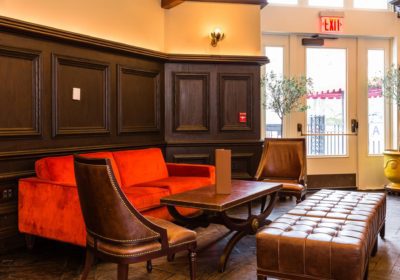
Stylish boutique hotel overlooking the Arno river.
Hotel Corsignano is an accommodation base in Pienza, Tuscany featured in Tuscany Villages Tour 2027 | Small Group Tour.
Hotel de la Ville Florence is an accommodation base in Florence, Tuscany featured in The Great Gardens of Italy Tour.
Hotel Il Guelfo Bianco is an accommodation base in Florence, Tuscany featured in The Great Gardens of Italy Tour.
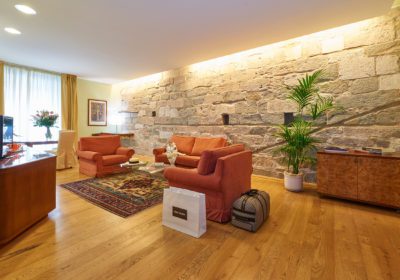
Comfortable and charming hotel that is ideally located in the centre of Lucca.
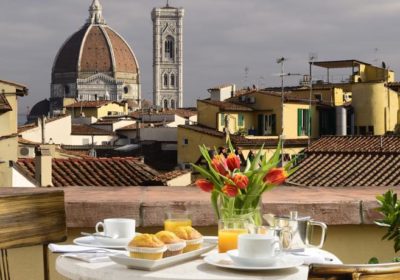
Hotel located on the Piazza Santa Maria Novella.
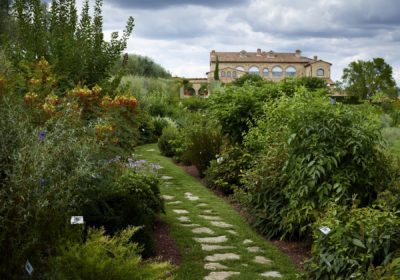
Stunning hotel surrounded by breathtaking views in the heart of Chianti.
Hotel Raffaello is an accommodation base in Florence, Tuscany featured in Fantastic Italy Tour and other Italy Touring itineraries.
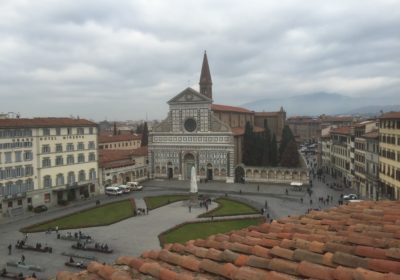
A centrally located hotel, on the Piazza Santa Maria Novella.
La Villa di STR is an accommodation base in Siena, Tuscany featured in Italian Coast-to-Coast Journey Bike Tour | 7-Day Cycling Challenge.
Your first two nights are in Colle di Val d’Elsa, staying at Palazzo San Lorenzo, located in the historic centre. The hotel combines central access…
Poggio ai Santi is an accommodation base in San Vincenzo, Tuscany featured in Italian Coast-to-Coast Journey Bike Tour | 7-Day Cycling Challenge.
Relais Sant’Elena is an accommodation base in Bibbona, Tuscany featured in Italian Coast-to-Coast Journey Bike Tour | 7-Day Cycling Challenge.
The main stay on this tour is Tenuta di Mensanello, a Tuscan agriturismo made up of historic stone buildings that developed over centuries around an…
UNAHOTELS Vittoria Firenze is an accommodation base in Florence, Tuscany featured in Fantastic Italy Tour and other Italy Touring itineraries.
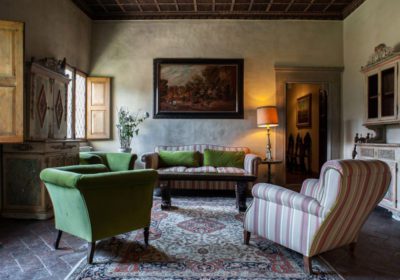
Charming 14th century hotel, located in the old town centre.
Villa Svetoni is an accommodation base in Montepulciano, Tuscany featured in Italian Coast-to-Coast Journey Bike Tour | 7-Day Cycling Challenge.
If you’re exploring Tuscany, you may also enjoy these nearby Italian regions, each offering its own landscapes, cuisine and cultural experiences.
May through June is excellent: wildflowers are still blooming, the light is clear, and it’s before peak summer crowds. September and early October is arguably better: the vendemmia (harvest) is underway, the light turns golden, accommodation is easier to find than in August, and summer crowds have thinned. Avoid August entirely; it’s hot, crowded, and many restaurants close mid-month. Late October is beautiful but the weather becomes unpredictable. Winter (November-February) is quieter and accommodation is cheap, but many agriturismos close, and the light is grey.
Florence is essential for art and culture, but the Oltrarno neighbourhood feels more local than the north bank. Siena is more manageable than Florence and the Piazza del Campo is extraordinary. A small agriturismo in the Chianti or Val d’Orcia gives you landscape immersion and wine access. Montepulciano or Montalcino are excellent if you want to focus on wine and don’t need city infrastructure. For most travellers, a combination (Florence for art, then south to Chianti or Val d’Orcia) works better than staying in one place.
Pitigliano is a tufa hill town called “little Jerusalem” for its historic Jewish heritage and underground Jewish cemetery; it’s dramatically positioned above a gorge and feels overlooked by most visitors. Monteriggioni is a perfectly preserved 13th-century walled village, tiny and beautiful, easily walked in 30 minutes. The Garfagnana valley in northern Tuscany (the Apuan Alps and chestnut forests) is a completely different Tuscany: mountains, dramatic gorges, and virtually no other foreign tourists.
Bistecca alla Fiorentina is the defining dish: a T-bone of Chianina beef, ordered al sangue (rare), and priced by weight. Ribollita (twice-cooked bread soup with cavolo nero) and pici (hand-rolled thick spaghetti) are Tuscan staples. Pecorino di Pienza is an extraordinary sheep’s cheese. The olive oil is green and peppery. Chianti Classica (with the Gallo Nero seal) is reliable; Brunello di Montalcino and Vino Nobile di Montepulciano are serious wines worth tasting at the source. Cantucci and Vin Santo are the traditional dessert.
A car is essential to explore the Wine Road, Val d’Orcia, and hill towns. The distances are short (Chianti to Montalcino is about two hours), so daily drives are manageable. Trains connect the major cities (Florence, Siena), but exploring beyond those requires a car. Consider hiring a driver for wine days if you want to taste seriously. The roads are well-marked and driving is pleasant; Italian summer traffic in August is the exception.
Seven to ten days minimum. Suggested: Days one to two in Florence (Oltrarno, Brancacci Chapel, food markets). Days three to four in Chianti (Wine Road by car, Panzano, Dario Cecchini, small wine producers). Days five to six in Val d’Orcia (Pienza, Monticchiello, La Foce gardens, Montalcino for Brunello). Day seven: Siena and its piazza at dawn. Days eight to nine can be Montepulciano for Vino Nobile, or return to Chianti for deeper wine exploration. This leaves flexibility for longer hikes or extra wine tasting.
Umbria to the east is the natural pairing: Siena is about 90 minutes from Assisi or Orvieto, and the two regions offer complementary experiences (Tuscany is wine and landscape; Umbria is art and spirituality, with fewer crowds). Alternatively, head north to Emilia-Romagna (Bologna, Modena, Parma) for food and wine culture. A Tuscany-Umbria combination of 10-14 days is ideal for a first Italian visit.
First-time Italy visitors find everything they expect. Wine lovers find excellent wines and direct access to producers. Art lovers have Florence and countless church frescoes. Food-focused travellers thrive here. Cyclists find excellent terrain and marked routes. Those seeking rural Italy rather than city culture do well with an agriturismo base. Tuscany is less suited to beach lovers (the coast is less impressive than further south) or those avoiding crowds; it’s the most visited region in Italy, though September and October are significantly quieter.