A Sicilian Odyssey 2026
A myriad of cultures intertwined by Greek, Roman, Byzantine, Muslim, and of course, Italian influences.
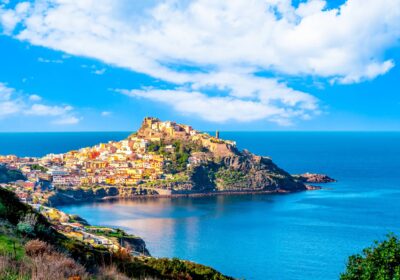
Coastal scenery, local rhythm and a holiday pace
Island travel changes the pace. Distances shrink, mornings feel softer, and days often revolve around weather, water and what looks most inviting. It’s less about “doing it all” and more about settling into a place. Whether you’re exploring the ancient temples of Sicily or the mysterious nuraghe ruins scattered across Sardinia, the rhythm of island life invites a different kind of travel.
Some travellers love going deep: one island, one base, and day trips that keep logistics simple. Sicily and Sardinia are both large enough for weeks of discovery, each with their own character and pace. Others prefer variety, combining islands or adding a mainland segment to their itinerary. The right choice depends on how much you want to move around and what style of discovery appeals to you.
Island itineraries work best when transfers are limited and well-timed. The goal is to avoid turning ferry or flight connections into the main event, keeping the trip focused on the experience rather than the timetable. We plan island days with geography in mind, clustering activities that make sense together and choosing bases that are walkable and genuinely lovely to return to.
Sea views, island culture, relaxed days, and itineraries built around food, weather and water.
Choose one island to enjoy properly, plus time for a boat day, a town day, and a slower beach day.
May–June and September for warm weather, fewer crowds and comfortable exploring.
Long sunny season; hottest and busiest in mid-summer, mild and pleasant in shoulder seasons.
Varies widely by island and season; plan around your base island and travel style.
Depends on the island. Key gateways often have the biggest transport links and services.
Seafood, local produce and regional specialties that differ island to island, often with bold
Mix of local transport and transfers. Some islands suit a car; others are best with boats and day
Popular ways to experience Islands of Italy include our Small Group Tours to Italy, World Heritage & Historical Tours through Islands of Italy and explore Food & Wine Tours.
A myriad of cultures intertwined by Greek, Roman, Byzantine, Muslim, and of course, Italian influences.

Sicily is an absolutely fascinating place to visit, being a crossroads of civilisations with a range of diverse influences. Our Sicily tours provide a well rounded experience covering the diverse
Discover Sicily’s UNESCO treasures, vibrant food culture, historic towns and dramatic coastlines on an eight-day small group journey through the island’s most iconic destinations.
Travel across Sicily from Palermo to Taormina on a small group tour rich in history and regional character, from Norman Monreale and ancient Agrigento to baroque towns, Marsala wine country and Mount Etna.
Island travel is at its best when the itinerary has a gentle shape and you choose a base that anchors your days. A working harbour town with genuine local life, a village with a piazza where people gather, or a coastal spot with evening restaurants beats a resort-style location every time. From there, you plan island days with weather in mind: a boat day lands on the clearest forecast; a town day suits softer light; a slower swimming day rests the rhythm. The Mediterranean’s real gift is unplanned moments—a swimming stop, a recommendation from someone eating lunch at the next table, a meal that becomes the best memory of the trip.
Sicily and Sardinia are fundamentally different, and choosing between them shapes your whole experience. Sicily is dense with history: Greek temples, Arabic-Norman villages, baroque towns, legendary street food (arancini, pasta alla Norma), and cities that pulse with culture. Sardinia is wilder: white-sand beaches, granite coastlines, wild landscape, ancient nuraghi ruins, and a more relaxed rhythm. Neither is “better”; they reward different kinds of travellers. The smaller islands each have character: the Aeolians (off Sicily’s north coast) are volcanic and dramatic; Elba is Napoleon’s exiled home with stunning beaches and walking trails; Pantelleria sits alone, wild and boutique, perfect for travellers seeking something genuinely different from tourist-circuit Italy; Capri glitters with glamour but suffers from day-tripper crowds. Getting to islands varies: ferries from Naples reach the Aeolians and Capri; Palermo and Civitavecchia have Sicily’s ferries; flights serve Cagliari, Palermo, and Catania.
Timing changes everything. May and September offer warm water, settled weather, and lighter crowds than summer. July and August are hot, crowded, and expensive; avoid if you can. October still has swimmable water and noticeably fewer visitors. Island food is central to the experience: in Sicily, seek arancini (rice balls), pasta alla Norma (pasta with tomato, aubergine, ricotta), and street food culture; in Sardinia, porceddu (slow-roasted suckling pig) and fregola (Sardinian pasta pearls) are sublime. Each island has unique specialties worth savouring slowly rather than rushing between destinations.
May–June and September are the best all-round months for Italy’s islands, with warm weather and a more relaxed atmosphere than peak summer.
Late spring is ideal for sightseeing, swimming in sheltered spots and boat days when conditions suit. Summer brings the classic island energy and long beach days, but it’s also the busiest period. Early autumn often delivers warm seas and softer light, while winter is quiet and suits travellers who prefer cultural touring and a slower local rhythm.
Climate figures are indicative monthly summaries derived from Open-Meteo.com historical weather data for 2015–2024.
Island itineraries are simple when transfers are planned well. We help you choose the right island focus, keep connections realistic, and build in the downtime that makes island travel feel like a holiday.
We match your trip to the island style you’ll enjoy most, from lively to quiet.
We minimise connections and time them well so the trip stays experience-led.
We build in flexibility for weather and spontaneity, especially for sea days.
Ready to plan your Islands of Italy tour? We'd love to help.
Talk to us about Islands of ItalyStanding on the summit of Stromboli as dusk falls, watching the volcano pulse with molten light against the darkening sky, is the kind of moment that stays with you. It’s not just the geological drama — it’s the sense of being somewhere genuinely wild and remote, far from the usual tourist trails. Andrew specifically recommends this guided experience for anyone with the fitness and spirit for something truly unforgettable.
The climb itself is an experience: a steady ascent through Mediterranean scrubland with views across the Tyrrhenian Sea, then the final approach through volcanic scree. Your guide will time the summit for magic hour, when the crater’s glow becomes visible and the volcano’s regular eruptions — the reason locals call it the “Lighthouse of the Mediterranean” — paint the night sky in orange and red.
It’s a small group experience, always with experienced local guides who know the mountain intimately. The descent is by torchlight, and by the time you’re back in the village, you’ll have witnessed something that belongs in the once-in-a-lifetime category.
On the islands, the right accommodation is the one that supports your rhythm. A walkable base makes evenings easy, while a well-positioned stay can save a surprising amount of transit time across a short trip.
For peak season, availability can tighten quickly. We focus on access, comfort and atmosphere so your base feels like part of the experience.
Many island itineraries centre on Sicily or Sardegna. Explore these region pages to plan a trip that matches your preferred island style and pace.
Sicily is your choice if you want history, culture, and celebrated food woven together: Greek temples (Agrigento), baroque towns (Modica, Ragusa), vibrant cities (Palermo, Catania), and street food that’s legendary (arancini, pasta alla Norma, seafood pasta). It’s denser, busier, more textured. Sardinia suits you if you want beaches, wild landscape, and a quieter rhythm: white-sand coves, granite cliffs, ancient nuraghi ruins, and food like porceddu and fregola served in low-key spots. Sardinia feels more untamed and less touristy; Sicily feels more immersive and cultural. For first-time island visitors and culture enthusiasts, Sicily. For beach-focused and nature-seeking travellers, Sardinia. Neither is wrong; they’re genuinely different.
One island is almost always better than trying to combine two. Ferry times between major islands (Sicily to Sardinia requires a flight or very long boat journey) eat into your experience. If you choose Sicily, you can visit smaller Sicilian islands like the Aeolians as day trips or overnight stays; the ferry takes 1–2 hours from the north coast. If Sardinia, Maddalena islands (off the north coast) are reachable by day ferry. Combining Sicily and Sardinia requires either flying between them (reasonable) or an overnight ferry (slow). Most travellers find 5–7 nights on one main island with one smaller nearby island as a day trip or overnight gives much more depth than splitting time equally between two large islands. Choose the island that matches your interests and give it real time.
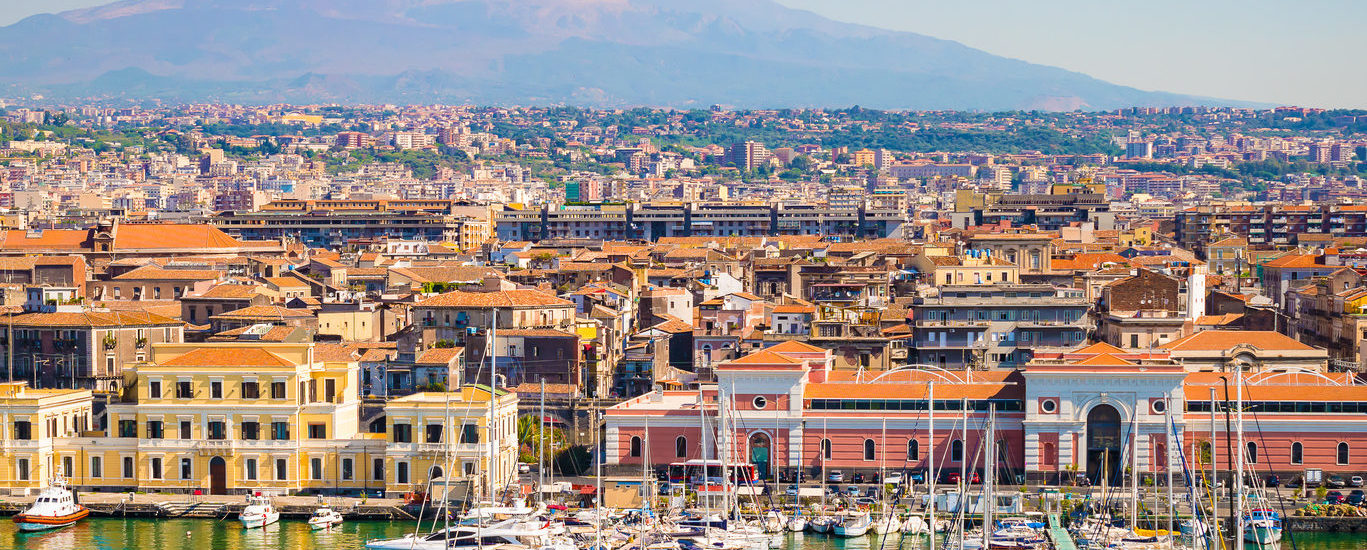
Sicily rewards staying in one region rather than trying to see the whole island. For history and culture, base yourself in the southeast (Ragusa, Modica, Syracuse, Catania): baroque towns, Greek ruins, excellent food, and manageable crowds in spring and autumn. For beaches, the north coast (Mondello, Cefalù, Mondello) offers seaside villages and is convenient to Palermo’s energy. Palermo itself (northwest) is unmissable if you want street food, markets (Vucciria, Capo), Norman churches, and chaotic urban energy. The Valley of the Temples (Agrigento, south coast) is spectacular but isolated—few stay there overnight. Most visitors do best basing in the southeast (better food culture, real villages, genuine atmosphere) or splitting their week between Palermo (3 nights for culture and food) and the southeast (4 nights for quieter village rhythm and ruins). Avoid trying to do Palermo, the northeast coast, and the southeast in one week; you’ll spend half your time driving.
May and September are ideal: warm water, settled weather, manageable crowds, and prices lower than peak summer. October still works (water is cool but swimmable, weather is clear) but tourist infrastructure starts closing down. April is spring-fresh but water is cold for swimming. July and August are hot, crowded, expensive, and less pleasant unless you embrace big crowds and don’t mind queuing. June balances warmth, reasonable crowds, and settled weather well. November onward, many facilities close and winter weather becomes unpredictable. For first-timers and those wanting reasonable comfort and fewer crowds, pick May, June, September, or early October. If July or August is your only option, expect to share beaches and restaurants, book everything ahead, and plan rest time during the hottest hours (2–5 p.m.).
Day trips are possible but rushed. The Aeolians (Lipari, Salina, Stromboli, Vulcano—volcanic islands off Sicily’s north coast) are accessible by ferry from Milazzo or Palermo, but ferries take 1–3 hours depending on the island. A day trip means arriving mid-morning, a few hours on the island, and an evening ferry back. It works if you’re curious but not invested. An overnight (or better, two nights) on Lipari or Salina lets you properly experience the islands, eat dinner watching the sunset, swim in warm water without rushing, and wake up unhurried. Stromboli is famous for its night-time glow (volcanic crater visible after dark) and genuinely rewards staying overnight. If your Sicily itinerary has room, one night in the Aeolians is worthwhile; if not, Lipari as a fast day trip is still memorable.
Capri is famous, glamorous, expensive, and suffers from day-tripper crowds (the Blue Grotto queues are substantial). It’s worthwhile as a one-night escape from Naples or the mainland, less so as a multi-night island base. Elba (off Tuscany’s coast) is quieter, with excellent beaches, walking trails, and a beach-town vibe; it pairs well with mainland Tuscany. Pantelleria is truly different: wild, volcanic, dramatic cliffs, natural hot springs, intense sun, and a boutique atmosphere—perfect for travellers seeking something off the tourist circuit and wanting to slow down completely. Ferries to the Aeolians leave from Palermo (Sicily), ferries to Capri from Naples, and Elba is accessed from the Tuscan coast. None compete with Sicily or Sardinia as full-island bases, but each is rewarding for 1–3 nights as a satellite experience.
On major islands, it depends on your base and style. In Sicily, a car or scooter gives freedom to explore small villages and ruins, but public buses (SAIS network) connect main towns and are reliable. In Sardinia, a car is more useful for reaching secluded beaches; buses are less comprehensive. On smaller islands (Aeolians, Capri, Elba, Pantelleria), cars are usually unnecessary or not available; you walk or take local water taxis. For most travellers, renting a car for 2–3 days to explore beyond your base town, then returning it, works well. A scooter is cheaper and fun in good weather. Local buses are cheaper but slower. Choose based on your comfort level and how far you want to roam; staying base-centred with occasional rentals often yields more enjoyment than managing a car every day.
Yes, naturally. Sicily connects well to mainland southern Italy (Naples, the Amalfi Coast, mainland Campania). Sardinia is more isolated but connects via flights to Rome or mainland Tuscany. A common itinerary: spend 3–4 days in Naples (culture, food, Pompeii access), then ferry to Sicily and base for 5–6 days exploring the southeast or combining Palermo and the coast. Sardinia is better as a separate trip unless you’re flying, in which case a Rome–Sardinia–Rome loop (flying in and out of Cagliari or another main airport) works well. The mistake is trying to do mainland Italy “and” an island in a short trip; you’ll spend half your time travelling. Instead, choose island plus one or two nearby mainland experiences (Sicily plus Naples, Sardinia plus nothing, Aeolians as Sicily day trip). Island-focused trips are nearly always more satisfying than splitting time thinly.