Fantastic Milan with Bernina Express, Liguria & Venice 2026
An 8-day small-group journey from Milan to Venice featuring the Bernina Express, Ligurian coast gems, Cinque Terre rail exploration, Ferrari heritage, and Modena balsamic tasting.
Coastal Italy of cliffs, ports and trails
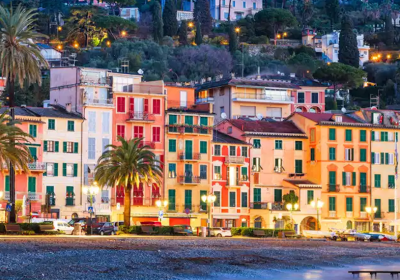
Liguria is defined entirely by the coastline. Steep forested hillsides dropping dramatically to the sea, small harbours tucked into coves, and villages painted in warm colours. The scenery is compact vertically—you don’t need to travel huge distances to see radically different vistas. Villages that seem far apart when viewed from the sea are often connected by short coastal paths, making the region ideal for varied days without long drives.
Many of the best Liguria experiences are deliberately simple: a coastal walk between villages, long lunches in small harbours, a late-afternoon swim in clear water, evening strolls under streetlights that reflect off the sea. It’s a region that genuinely rewards relaxed, unstructured planning rather than constant activity.
Coastal rail connections are excellent and often the easiest way to move between towns without driving stress or parking hassles. For a smooth itinerary, we recommend limiting car use in busy areas, choosing a walkable base or two, and allowing the pace of the coast to become the rhythm of your days.
Coastal villages, sea views, walking routes, colourful ports and a herb-based coastal cuisine.
Portofino, Cinque Terre, unhurried walks taking in the coastal and harbour scenery.
April to June and September to October for warm days, good visibility and easier coastal walking.
Mild coastal climate; warm summers and pleasant shoulder seasons with sea breezes.
1.5mil people along a narrow coastal strip with port towns and mountain backdrops.
Genoa (regional capital), La Spezia, Savona and Imperia.
Pesto, focaccia, seafood, simple pastas and the kind of cooking that tastes best by the water.
Trains are excellent along the coast; walking and boat trips work well in popular areas.
Popular ways to experience Liguria include our Small Group Tours, Art & Culture Tours through Liguria and explore UNESCO & Historical Tours.
An 8-day small-group journey from Milan to Venice featuring the Bernina Express, Ligurian coast gems, Cinque Terre rail exploration, Ferrari heritage, and Modena balsamic tasting.
Drawing on the grand cities of Genoa and Turin, this tour explores magnificent palaces, world-class art collections and centuries of history in two of Italy’s most overlooked cultural treasures.
Discover the dramatic beauty of the Ligurian coast, where colourful seaside villages, historic towns and spectacular cliffside landscapes combine with art, culture and coastal charm.
Liguria is the Italian Riviera compressed into a narrow coastal strip backed by the Apennines, and it is one of the most dramatically beautiful stretches of coastline in Europe—which is precisely why it becomes almost unbearably crowded in July and August. The Cinque Terre are extraordinary and worth visiting, but they are genuinely overcrowded in high summer; the secret is to go in May or October when the weather is warm, the villages are accessible, and you can actually move through them without being pressed against 5,000 other tourists. What makes Liguria distinctive is that it offers both the famous (Portofino, Cinque Terre) and the genuinely underrated (Finale Ligure, Genova’s caruggi) within a few hours’ drive—and the coastal railway is one of Italy’s best, meaning you can navigate the entire region without a car.
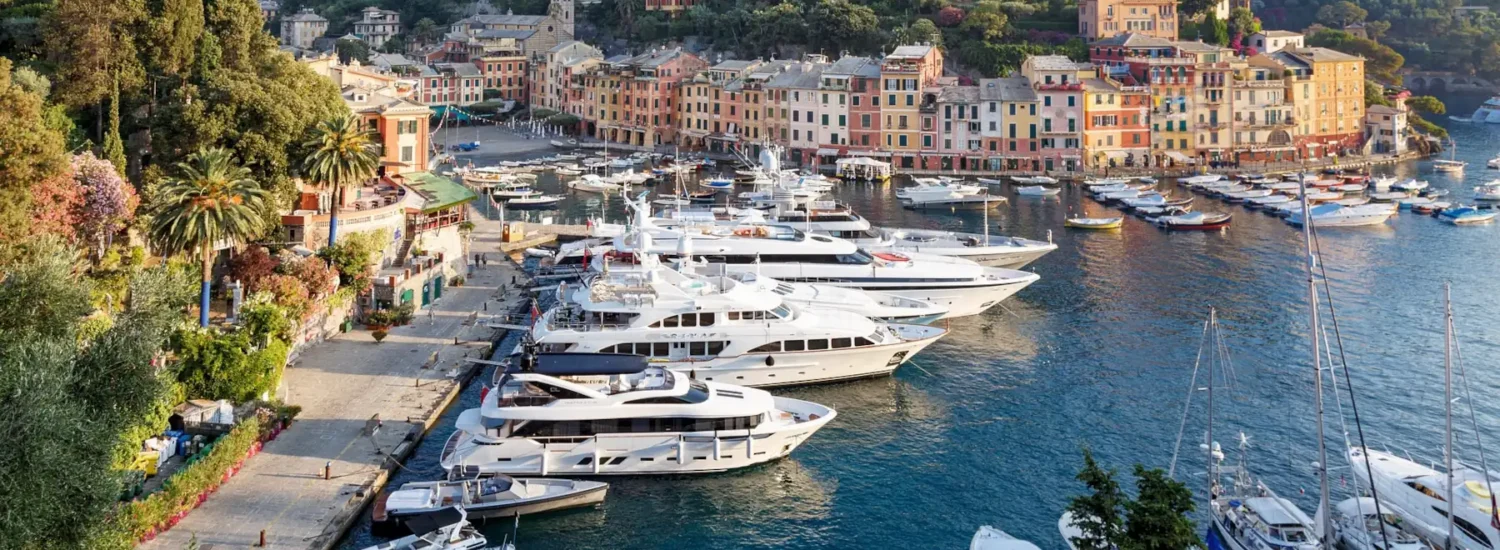
The Sentiero Azzurro trail connects Riomaggiore to Monterosso through the five villages, offering views down to fishing harbours and across to the coast; the section above Vernazza, when open, is the most dramatic. But the real revelation is Portofino at 7am, before the yachts arrive and the cruise-ship tourists pour off their boats—the harbour, the pastel buildings, the morning light on the water create one of the most beautiful 90 minutes in Italy. Genova, the capital, is underrated and surprisingly gripping: the medieval caruggi (narrow lanes) twist through the old city, the Palazzo del Principe shows the wealth that once existed here, the Mercato Orientale is a working market where locals buy their vegetables, and a small focacceria will make you pesto the traditional way—Ligurian basil, pine nuts, cheese, olive oil, garlic, never cream. The contrast between the tourist coast and the working city is jarring and excellent.
Finale Ligure in the western Riviera is quieter than Cinque Terre, with a medieval old town (Finalborgo) that sees a fraction of the crowds, excellent climbing and mountain-biking terrain, and calm beaches in September where you can actually swim without performing gymnastics. The medieval village of Cervo sits on a promontory with 360-degree views of the coast and deserves a half-day; Noli, further west, is a sleepy fishing town where locals actually outnumber tourists even in summer. If you’re hiking, the ridgeline trails above the coast offer views that rival anything on the Sentiero Azzurro but with almost no people. Late afternoon in Vernazzo, sitting in a waterfront restaurant with a cold glass of Vermentino, watching fishermen work their boats below the pastel houses, feels like a moment stolen from a different era.
Ligurian food is distinctive and fiercely traditional: pesto genovese made only with Ligurian basil, pine nuts, parmigiano and pecorino cheese, olive oil, and garlic—never cream, never additions, never substitutions. Focaccia here is thinner and saltier than the bread focaccia from Puglia. Farinata is a thin chickpea flatbread from a wood oven, salty and slightly crispy, perfect street food. Trofie (hand-rolled pasta) appears constantly on menus. The white wine Pigato pairs perfectly with seafood—crisp, mineral, local. Seafood is obviously excellent along the coast, but it’s also expensive; eat fresh fish at lunch rather than dinner, order simply (grilled, not sauced), and you’ll spend less and eat better. The local bakeries sell focaccia straight from the oven for breakfast.
The coastal railway from Genoa to La Spezia is one of Italy’s best experiences—you can ride the entire route and visit the Cinque Terre by train without a car, which actually works better than driving because parking is expensive and scarce. Buy a rail pass (Cinque Terre Card) that combines train travel and trail access, and you can hop on and off villages all day. October and May are ideal: warm, clear, with manageable crowds. Avoid July and August absolutely if you value your sanity. The trail between Vernazza and Monterosso opens and closes due to rockslides—check conditions on the Parco Nazionale website before visiting. Don’t pay restaurant prices for simple food; buy supplies from a salumeria and picnic on the rocks with a bottle of local white wine instead.
What lingers about Liguria is the vertical landscape—mountains dropping almost directly to the sea, villages perched on impossible slopes, the sense that you’re living between two worlds. The Cinque Terre will overwhelm you with beauty and crowds in equal measure, but the quieter villages and the railway journeys offer the same landscape with actual space to breathe.
April–June and September are ideal for Liguria, with comfortable temperatures for coastal walking, seafood lunches and village exploration.
Spring is a favourite for the coast’s gardens and clear walking days. Summer suits travellers focused on beach time and long evenings outdoors, but it can be busier. Early autumn often brings warm sea days and softer light, while winter is quieter and best for slow travel, food and uncrowded coastal towns.
Climate figures are indicative monthly summaries derived from Open-Meteo.com historical weather data for 2015–2024.
In Liguria, the key is choosing the right base and avoiding unnecessary hassle. We help keep the trip easy.
We help you choose towns and hotels that keep the trip walkable and enjoyable, with easy access to trains and coastal paths.
We plan days that allow time for walking, swimming and dining, without trying to do too much in a short visit.
Straightforward planning support from Australia, with specialist operator partners where needed.
Ready to plan your Liguria tour? We'd love to help.
Talk to us about Liguria
Liguria is made for a day that combines gentle movement with excellent food. A scenic coastal walk followed by a long lunch in a small harbour town is an ideal way to experience the region without over-planning.
The walk provides the views; the lunch provides the atmosphere. Pair it with a swim or a quiet cafe stop and you have a day that feels like a holiday, not a schedule.
We can recommend the best style of day based on your base town, season and walking comfort level.
Liguria accommodation ranges from classic seaside hotels to small, characterful town properties. In popular coastal areas, inventory can be limited and location makes a big difference. We recommend choosing a base with good rail access so you can explore without needing a car every day.
CDH Hotel La Spezia is an accommodation base in La Spezia, Liguria featured in Fantastic Milan with Bernina Express, Liguria & Venice 2026.
Grand Hotel Savoia Genoa is an accommodation base in Genoa, Liguria featured in Genoa & Turin Palaces & Galleries Tour.
An excellently situated 4-star overlooking the sea, the picturesque harbour, and the old town. All rooms are with sea-view.
May and October are ideal—warm, clear, with manageable crowds and excellent hiking conditions. September works well but is still reasonably warm. Avoid July and August absolutely; the Cinque Terre become unbearably crowded (sometimes as many as 5,000 people per day on the trail), prices triple, restaurants become tourist traps, and you’ll spend more time queuing than enjoying. June can be busy but is still reasonable. November-April offers fewer crowds but increasingly grey and wet weather, and some trails close due to rockslides. Easter week is extremely busy and should be avoided.
Vernazzo or Monterosso in the Cinque Terre are the best coastal bases if you want to hike and experience the villages, though accommodations are limited and prices are high. La Spezia, just south of the Cinque Terre, is more practical—it has better hotel options, lower prices, a working-city atmosphere, and excellent train connections to all the coastal villages and hiking trailheads. For exploring the western Riviera (Finale Ligure, Cervo, Noli), base in Finale Ligure or Albenga. Genova is worth a night or two if you want to explore the city’s art, food, and architecture, though it’s less obviously beautiful than the coast.
Finale Ligure in the western Riviera deserves a full day—the medieval old town (Finalborgo) is excellent and far less crowded than Cinque Terre, with decent restaurants and good access to hiking. Cervo is a medieval village on a promontory with 360-degree coastal views and almost no tourist infrastructure. Noli, nearby, is a sleepy fishing town where locals genuinely outnumber tourists. If you want to walk without the crowds, take the ridgeline trails above the coast—the Sentiero Azzurro gets crowded on the main route, but trails running parallel to the coast offer the same views with almost no people.
Pesto genovese made the traditional way—Ligurian basil, pine nuts, parmigiano and pecorino cheese, olive oil, garlic, no cream—is non-negotiable; eat it at a proper focacceria or trattoria, not a tourist restaurant. Focaccia from the local bakery straight from the oven for breakfast is simple and perfect. Farinata (chickpea flatbread) is excellent street food. Trofie pasta with seafood or pesto is a staple. Pigato white wine is the local choice and pairs perfectly with the food. Fresh grilled fish at lunch (not dinner) is cheaper and better prepared. Buy supplies from a salumeria and picnic rather than eating in tourist waterfront restaurants.
The coastal railway from Genoa to La Spezia is excellent and the best way to travel the region without a car. Buy a Cinque Terre Card that combines train travel and trail access—you can hop on and off villages all day without stress about parking. If you’re exploring the western Riviera (Finale Ligure, Cervo, Noli), a car is more practical, though driving along the coast can be slow and parking is expensive. Hiking between villages on the marked trails is straightforward but requires proper footwear and attention to weather. Check the Parco Nazionale website before hiking to confirm trail conditions—rockslides periodically close sections.
Three to four days is minimum for the Cinque Terre plus one or two extra villages. Day one: arrive in La Spezia, afternoon in one Cinque Terre village. Day two: hike or train between villages (don’t try to hike all five in one day—it’s exhausting and the trail is crowded). Day three: venture to Portofino or the western Riviera. Day four: explore Genova or revisit a favourite village. If you have five days, add a day in Genova and a day for the western Riviera (Finale Ligure, Cervo). Don’t rush the trails—they’re beautiful but also crowded and tiring; one village per day of actual hiking is reasonable.
Liguria connects naturally with Tuscany to the east (La Spezia is the gateway between the two); you can train from La Spezia to Pisa or Lucca easily. Piedmont to the north is accessible (Genova is a major rail hub) and offers mountain scenery and food wine that contrast beautifully with the coastal landscape. The classic route is Cinque Terre–Liguria coast–Tuscany, building a week or longer along the northwestern coast of Italy. You could also combine with Milan (Genova to Milan by train is three hours) if you want urban culture alongside coastal scenery, though that feels less natural geographically.
Walkers and hikers absolutely belong here—the trails are beautiful, well-marked, and dramatic. Coastal lovers who want beaches and swimming (though the beaches here are more rocky than sandy) will be happy in May and September. Food and wine enthusiasts appreciate Ligurian cuisine’s distinctiveness and the local wines. Travellers who actively want to avoid crowds should visit in May or October and stay away from July-August. First-time Italy visitors often include Cinque Terre on their itinerary and should time it carefully to avoid the summer madness. However, if you want a relaxed beach holiday with watersports and nightlife, go elsewhere—Liguria is about vertical landscapes, hiking, and coastal villages, not beach tourism.