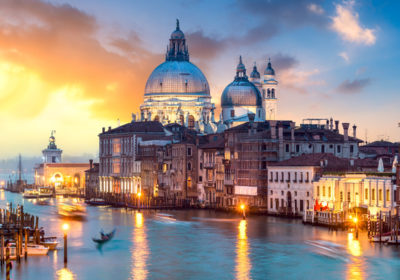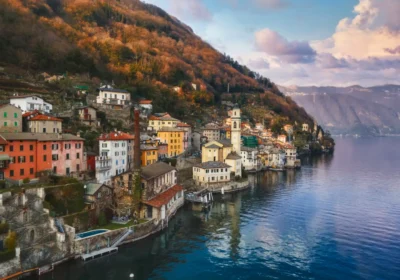
Lake Como & Bernina Express | 4 Day Private Tour 2026
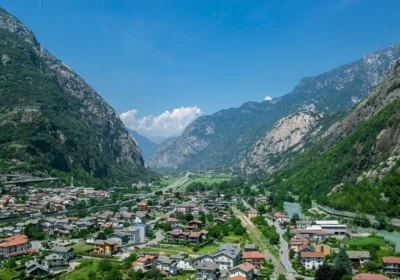
A private Lake Como escape with a full-day Bernina Express experience to St Moritz, combining alpine scenery, flexible free time, and comfortable lakeside accommodation.
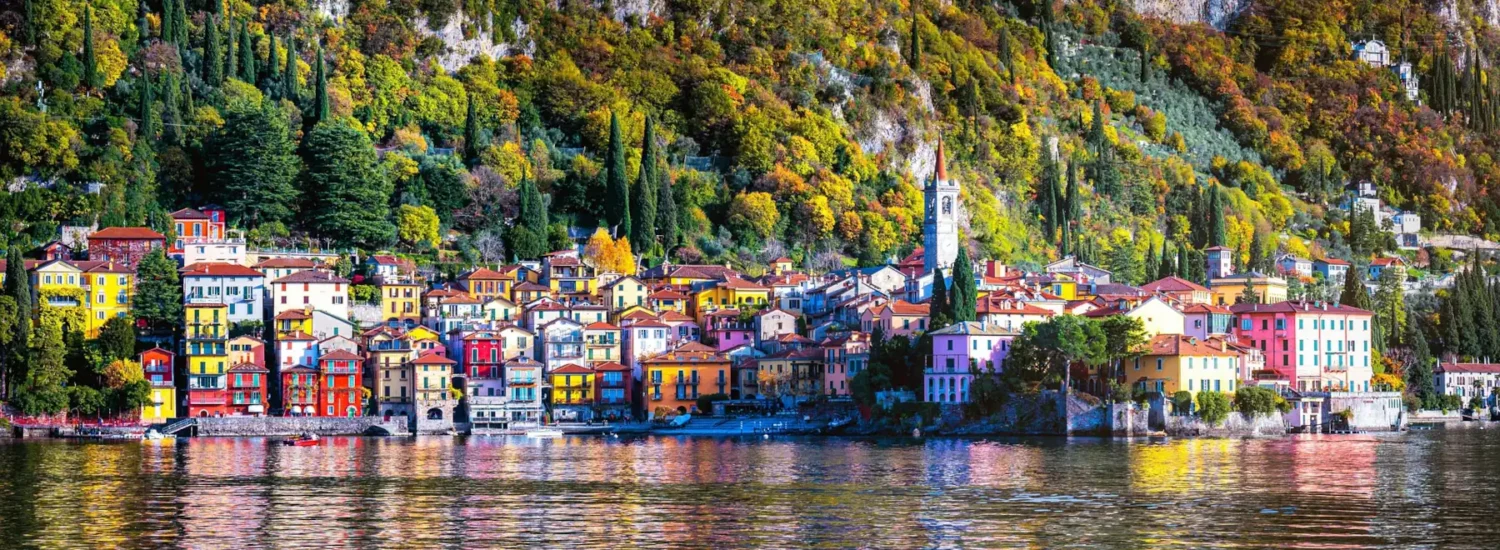
Milan style, lakes and alpine landscapes
Milan is Italy’s most cosmopolitan city — the country’s design, fashion and financial capital, with a cultural calendar that punches well above its weight. The Duomo is one of Europe’s great Gothic cathedrals, Leonardo da Vinci’s Last Supper requires booking well in advance and the Brera neighbourhood holds one of Italy’s finest art galleries alongside excellent restaurants and aperitivo bars.
Lake Como, Maggiore and Garda each have their own character — Como dramatic and elegant, Maggiore quieter and less visited, Garda larger with a southern shore that borders Veneto. Bellagio and Stresa make natural bases for lake days without needing a car. In the north, the Valtellina valley produces excellent wines and provides access to alpine scenery that rewards walkers and cyclists.
Milan’s rail connections are fast and frequent, and most lake towns are easily reached by train and ferry. A hire car helps for mountain areas and smaller villages, though the main lake routes work well without one.
Milan, lake landscapes, alpine valleys, refined dining and an easy blend of city and nature.
Milan plus a lake-focused day and at least one historic centre such as Bergamo for a different pace.
April to June and September to October for comfortable weather, lake scenery and easy city walking.
Continental; warm summers, cooler winters. Alpine areas are cooler with more dramatic variation.
10mil people centred around Milan and a network of cities, lakes and alpine valleys.
Milan (regional capital), Brescia, Bergamo and Monza.
Risotto traditions, hearty northern dishes, alpine specialities and excellent regional wines.
Trains are excellent around Milan; lakes work well with rail, boats and short road transfers.
Popular ways to experience Lombardy include our Scenic Journeys, Small Group Tours to Italy through Lombardy and explore Art & Culture Tours.
A private Lake Como escape with a full-day Bernina Express experience to St Moritz, combining alpine scenery, flexible free time, and comfortable lakeside accommodation.

An 11-day Tauck river cruise from Milan to Amsterdam, combining Lake Como, Rhine towns, exclusive events, and luxury cruise inclusions.

Lake Maggiore, Lake Orta and Lake Como on a relaxed 9 day small group journey, with alpine landscapes, private boat trips and time to enjoy the lakes at an unhurried pace.

Journey from Milan through the spectacular landscapes of northern Italy on a nine-day small group tour featuring the Bernina Express, the Italian Alps and Dolomites, beautiful lakes, South Tyrol towns and distinctive regional flavours.
Lombardy is Italy’s industrial heartland, the centre of fashion, design, and finance, which is precisely why most casual tourists ignore it entirely—they head straight to Venice, the lakes, or Tuscany without realizing that Milan and the lakes offer some of Italy’s most compelling cultural experiences, and that the region is easy to navigate without the crowds that clog Tuscany in summer. The best time is April through June and September through October when the weather is warm, the design crowd has returned to Milan for the new season, and the lakes are calm and stunning. What makes Lombardy distinctive is the contrast between Milan, one of Europe’s great cities, and the intimate lake scenery and Renaissance villas that surround it—you can have Caravaggio and cutting-edge design in the morning, and lake views with Alpine mountains in the afternoon.
Milan itself deserves at least three days: the Pinacoteca di Brera is Milan’s great art gallery and is rarely discussed compared to the Uffizi in Florence, but the collection is extraordinary and the gallery itself sits in a beautiful Renaissance palazzo. The Last Supper by Leonardo da Vinci sits in the Convent of Santa Maria delle Grazie and requires booking three to four months ahead (sometimes more) at cenacolovinciano.vivaticket.it—you get fifteen minutes with a maximum of 25 people, and it is genuinely worth the advance planning. La Scala theatre dominates the Piazza della Scala, and while December opening tickets are nearly impossible, you can often catch performances from the balconies for a fraction of the price. Lake Como is better experienced from Varenna on the eastern branch than from the tourist circus at Bellagio—Varenna has a beautiful waterfront promenade, is less densely packed, and offers ferry access to Bellagio and Menaggio without the overwhelming crowds.
Bergamo Alta, reached by funicular from the lower city, is a perfectly preserved medieval and Renaissance town that deserves a full day. The Piazza Vecchia with its fountain, the Basilica di Santa Maria Maggiore, and polenta e osei (a sweet cake shaped like the traditional polenta dish) make this one of northern Italy’s most charming experiences—and because most Milan day-trippers leave by lunchtime, you can have the piazza largely to yourself if you stay overnight. Certosa di Pavia, a 14th-century Carthusian monastery south of Milan, has a marble facade that is genuinely one of Italy’s most elaborate—it takes forty-five minutes by bus from Milan and is almost always quiet. Mantua (Mantova), a Renaissance city surrounded by three lakes, offers Giulio Romano’s Palazzo Te (the frescoed giant room is unsettling in the best way) and Andrea Mantegna’s Camera degli Sposi in the Palazzo Ducale—the latter is a small chamber completely covered in frescoes so vivid and intimate that stepping inside feels like stepping into a painting.
Lombardy wine is excellent and often overlooked: Franciacorta is Italy’s best méthode champenoise sparkling wine, made in the hills south of Lake Iseo; visiting a producer in the early morning, before the summer heat, is one of Italy’s great food experiences. Lugana is a crisp white from Lake Garda’s southern shore. Valtellina, a mountain valley near the Swiss border, produces terraced reds (Sforzato, Sassella) that are extraordinary and rarely exported. Milan food is simple and excellent: risotto alla milanese (yellow with saffron), osso buco (braised veal shank), panettone at Christmas. The restaurant culture in Milan is expensive but exceptional—budget for at least one dinner at a serious restaurant. The Navigli neighbourhood in Milan, with its canal-side restaurants and galleries, is an excellent place to spend an evening, though the restaurants are touristy; the adjacent Ticinese neighbourhood is more authentic and less expensive.
Practical advice: book the Last Supper months in advance—it fills almost immediately and doesn’t stay open long in winter (November-March it closes Mondays). The train network in Lombardy is excellent, especially between Milan, the lakes, and secondary cities. Milan has excellent public transportation (metro, tram) and you don’t need a car. Weather can be humid and hazy in July and August, making lake scenery less crisp. September is excellent—warm, clear, and less crowded. Don’t try to visit every lake; pick two or three locations and spend time. Lake Como is the most famous and most crowded; Lake Garda is larger and the southern shore is touristy; the smaller lakes (Iseo, Lugano) are less famous and sometimes more appealing.
What stays with you about Lombardy is the interplay between contemporary Milan—one of Europe’s genuinely great cities—and the quiet lakes and Renaissance villas that sit just an hour away. The region doesn’t have the tourist infrastructure or the cultural mythology of Tuscany, which means the experience feels less packaged and more authentic, even at the famous sites.


April–June and September–October are the best months for Lombardy, combining comfortable conditions for cities and lakes with manageable crowds.
Spring is excellent for lake promenades, gardens and city walking. Summer brings long days that suit lake time, but cities can feel warmer and busier. Autumn is a favourite for calmer sightseeing and countryside food experiences, while winter suits travellers who enjoy museums, shopping and a slower pace (especially away from the lakes).
Climate figures are indicative monthly summaries derived from Open-Meteo.com historical weather data for 2015–2024.
Lombardy is best when the city and lake segments are balanced well. We help make the transitions smooth.
We help you choose the right mix of Milan time and lakeside relaxation so the trip feels varied and unforced.
Location matters in Lombardy. We recommend bases that reduce transit time and improve the daily experience.
From Australia, we provide clear advice and match you to quality operators and inclusions where appropriate.
Ready to plan your Lombardy tour? We'd love to help.
Talk to us about Lombardy
A well-planned lake day is one of Lombardy’s most enjoyable experiences. With a boat segment and a couple of carefully chosen stops, you can enjoy the scenery without feeling like you are trying to “cover” the whole lake in one go.
We like to build in time for a slow lunch and a gentle walk along the waterfront, keeping the day relaxed and photographic. Done well, it becomes the perfect counterpoint to city sightseeing.
We can tailor this style of day to your base and the season, including quieter options when you prefer a calmer atmosphere.
Lombardy accommodation ranges from stylish city hotels in Milan to lakeside properties and alpine stays in the valleys. The best choice depends on your itinerary: a central city base is ideal for walking, while lake stays prioritise views and atmosphere. In peak periods, the most desirable lake locations book quickly.
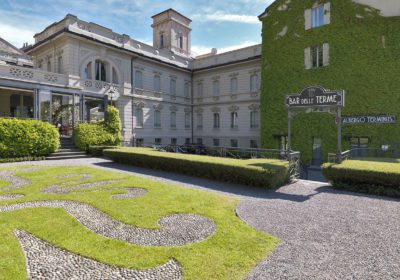
An opulent Art Nouveau style hotel, overlooking the Lake.
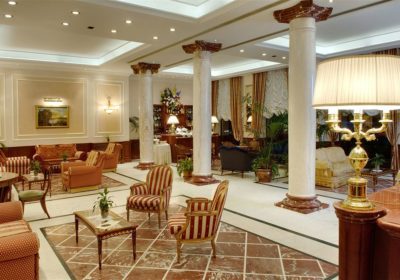
Elegant hotel boasting traditional Milanese hospitality.
Corte Regia Relais & Spa is an accommodation base in Borghetto sul Mincio, Lombardy featured in Verona + Lake Garda Bike Tour | 6-Day Cycling…

Situated on the main square with views of the Como landscape.
Hotel Cappello d’Oro is an accommodation base in Bergamo, Lombardy featured in Fantastic North Lakes, Venice & Milan with Bernina Express 2026.
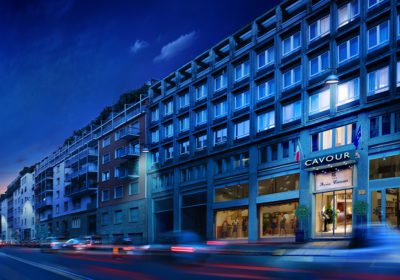
Centrally located in one of Milan's most fashionable districts.
Hotel Concorde Milan is an accommodation base in Milan, Lombardy featured in Fantastic Alps, Dolomites and Lakes Tour and other Italy Touring itineraries.
Hotel Florence Bellagio is an accommodation base in Bellagio, Lombardy featured in The Great Gardens of Italy Tour and other Italy Touring itineraries.
Hotel Metropole Suisse is an accommodation base in Como, Lombardy featured in Lake Como with Bernina Express.
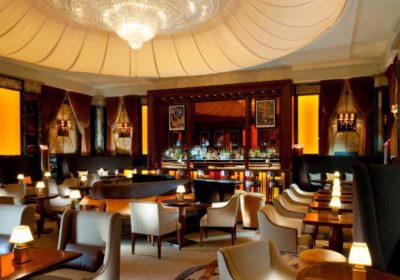
This landmark building dating back to the 1920’s sits on the Piazza della Repubblica.
Ramada Plaza Milano is an accommodation base in Milan, Lombardy featured in Fantastic Alps, Dolomites and Lakes Tour and other Italy Touring itineraries.
The Westin Palace Milan is an accommodation base in Milan, Lombardy featured in Rhine Enchantment, Milan to Amsterdam.
If you’re exploring Lombardy, you may also enjoy these nearby Italian regions, each offering its own landscapes, cuisine and cultural experiences.
April through June and September through October are ideal—warm, clear weather with fewer crowds than summer. September is particularly good because the heat is less intense and the lakes are perfectly calm. Avoid July and August, when Milan is humid and hazy, the lakes attract swimmers and tourists, and prices spike. December is excellent for Milan’s culture and Christmas atmosphere, though it’s cold and some lake scenery is less crisp. Winter (November-March) is fine for Milan culture but grey and cold for the lakes.
Milan is the essential base for culture, shopping, food, and architecture; it’s expensive but worth it. For lake scenery, Varenna on Lake Como is beautiful and less crowded than Bellagio. Bergamo (either the lower city or Alto) offers medieval charm and is accessible by train from Milan (one hour). For a lake-focused stay, choose Varenna, or for something quieter and smaller, Lake Iseo’s towns like Sarnico are appealing. For wine and countryside, the Franciacorta region south of Lake Iseo offers rural scenery and wine producers. Don’t base yourself distant from Milan and commute—the train network is good, but Milan is worth staying in for the culture and food.
Mantua (Mantova) is a Renaissance city rarely visited by casual tourists, with frescoed palaces and a completely different atmosphere from Milan or the lakes. Certosa di Pavia is a 14th-century monastery with one of Italy’s most elaborate marble facades—forty-five minutes south of Milan and almost always quiet. Bergamo Alta, the medieval upper city, deserves a night or two; most day-trippers leave by lunchtime, leaving the streets calm and excellent for evening. Cremona, east of Mantua, is famous for violins (the Stradivarius museum) and has a cathedral that rivals any major Italian city. Lake Iseo and Lake Lugano are smaller and less crowded than Como or Garda.
Risotto alla milanese, made with saffron and broth, is essential Milan food. Osso buco (braised veal shank) is traditional and excellent. Panettone is the Christmas cake and worth trying from a proper bakery. Franciacorta sparkling wine is exceptional and a winery visit in the morning (before heat sets in) is one of Italy’s best food experiences. Valtellina reds from the mountain valley are extraordinary and rarely exported—order them whenever you see them. Lake fish (perch, pike) prepared simply is excellent. Budget for at least one dinner at a serious Milan restaurant where the kitchen is accomplished; it’s expensive but worthwhile.
The train network is excellent—Milan is a major hub with connections to all secondary cities and the lakes. Milan has excellent public transportation (metro, tram, buses) and you don’t need a car. From Milan, it’s straightforward to reach Bergamo (one hour), the lakes (one-two hours), Mantua (two hours), or Certosa di Pavia (forty-five minutes). If you’re visiting multiple lakes or the Franciacorta wine region, a car is useful but not essential—buses and trains connect everything. Ferries cross the major lakes, offering scenic alternatives to trains and cars.
Three to four days minimum: two in Milan for culture, food, and the Last Supper; one on the lakes (Varenna or Bergamo). Five to six days is better: three in Milan, two on the lakes, one for a secondary site (Bergamo, Mantua, Certosa di Pavia, or a wine region). If wine is a priority, add a day in Franciacorta for a winery visit. Don’t try to visit every lake or every secondary city—the region is large and distances are deceptive. Pick two locations and linger rather than rushing through ten stops.
Lombardy pairs naturally with Piedmont to the west (Turin is three hours from Milan by train) if you want mountains, wine, and countryside. To the east, Veneto and Venice are accessible (Milan to Venice by train is two hours), creating a classic Milan-Venice route. To the south, Tuscany is within reach (Milan to Florence by train is two hours) but feels like a separate journey. Heading south into Emilia-Romagna (Piacenza or Parma for food) makes sense. The natural loop is Milan–Lakes–Veneto–Venice, or Milan–Franciacorta wine region–Piedmont.
Design and fashion lovers absolutely belong in Milan—the city is a living design gallery. Culture and art enthusiasts will find world-class museums, the Last Supper, Renaissance villas, and cutting-edge contemporary galleries. Lake scenery seekers will find dramatic Alpine views and calm water—though go in April-June or September rather than peak summer. Food and wine enthusiasts appreciate Lombardy wine (especially Franciacorta) and Milan’s restaurant culture. Business travellers find Milan cosmopolitan and efficient. However, if you primarily want medieval villages, countryside hiking, or beach holidays, allocate your time elsewhere—Lombardy is about culture, design, lakes, and wine, not rural Italy or beaches.