Piemonte and Valle d’Aosta Tour 2026 | Small Group Tour
Explore Piemonte and Valle d’Aosta – A two-week immersion in Italy’s wine, history, and mountain landscapes.
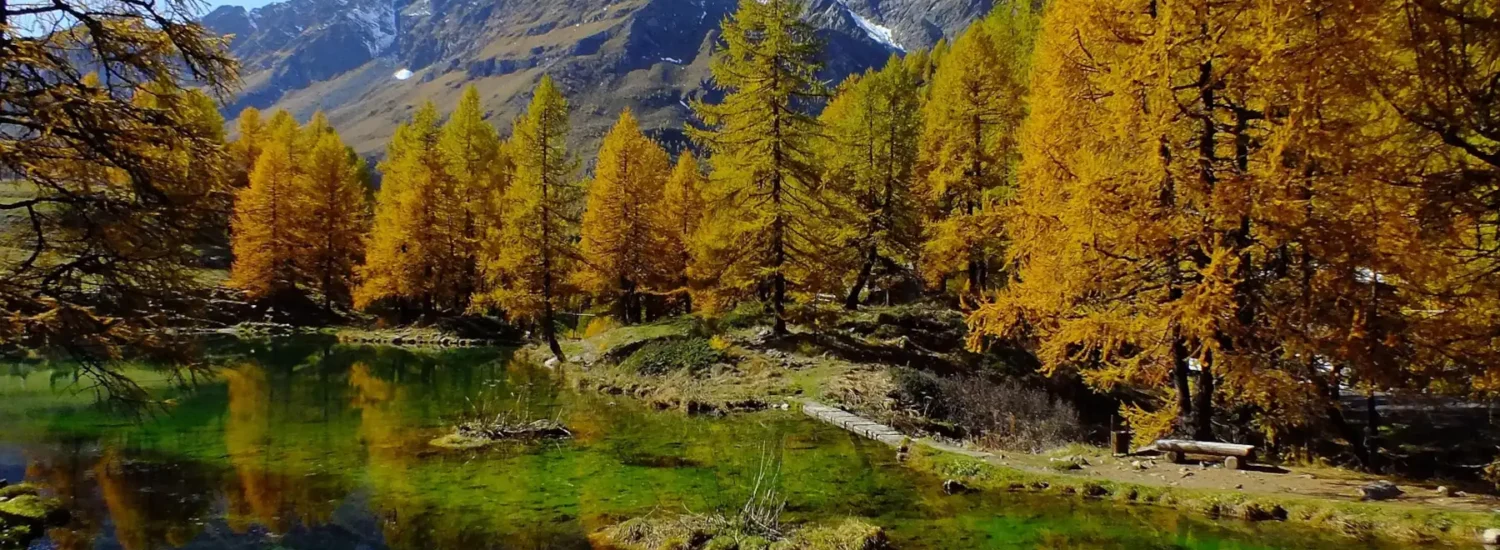
Italy's alpine corner, small and spectacular
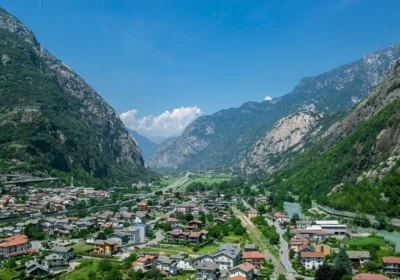
Bordering France and Switzerland, the Aosta Valley is defined by dramatic Alps and high mountain passes. In summer, expect some of Italy’s best-maintained hiking trails connecting Alpine meadows and valleys, with marked routes for all abilities. Winter brings a long snow season that transforms the landscape and makes the region a serious Alpine destination without the commercialism of larger resort areas. The region includes Monte Rosa, Mont Blanc and Gran Paradiso—peaks that define the Alpine landscape.
The city of Aosta itself preserves a strong Roman footprint from its founding as Augusta Praetoria. The Arch of Augustus still stands; the street grid reflects Roman planning. A half-day here provides cultural context between mountain excursions and connects visitors to the region’s long history of settlement in this dramatic valley.
Because the region is small and centred on one main valley, it’s straightforward to base yourself centrally and explore outward. Road travel is most flexible; local trains and buses also connect valley towns well. For a comfortable itinerary, we recommend keeping daily drives short so the Alpine landscape and mountain experiences become the primary focus rather than driving itself.
Alpine villages, Roman Aosta, mountain walks, winter sports and big-name peaks on the borders.
Aosta’s Roman sites, Courmayeur, the Gran Paradiso area, and scenic valley viewpoints.
June to September for hiking, or December to March for snow season and alpine atmosphere.
Alpine climate with cool summers, cold winters and big variations by altitude and valley position.
0.1mil people concentrated in the valley and alpine towns beneath high peaks.
Aosta, Courmayeur, Saint-Vincent and Cervinia.
Fontina cheese, polenta-based dishes, hearty mountain soups and locally cured meats.
Easy by car; local buses and trains connect the valley, with lifts for high mountain access.
Popular ways to experience Aosta Valley include our Scenic Journeys, Small Group Tours to Italy through Aosta Valley and explore Featured Tours.
Explore Piemonte and Valle d’Aosta – A two-week immersion in Italy’s wine, history, and mountain landscapes.

A 15-day small group journey through Piedmont and Valle d'Aosta, combining Turin, the Langhe wine hills, alpine scenery, historic castles and the islands of Lake Maggiore.
Arrive in June or early September when the lifts run and the wildflowers are still out. The Aosta Valley announces itself differently from the rest of Italy — the light is cleaner, colder, the mountains dominate everything. This is the smallest region, the highest: Gran Paradiso at 4,061m and Mont Blanc at 4,808m define the horizon. The valley floor feels both intimate and vast, and if you go in shoulder season you’ll have the rifugios and the paths almost to yourself.
Base yourself in Aosta town for 2 nights, then move to Courmayeur for 2-3 nights. From Aosta, walk the Roman Porta Praetoria (genuinely one of the best-preserved Roman gates in the world, standing complete in the town centre), explore the Theatre and the Arch of Augustus on foot — they’re all within fifteen minutes of each other and tell the story of how important this valley was two thousand years ago. Then drive 30 minutes to Courmayeur and ride the Skyway Monte Bianco cable car to 3,466m. Even in July you need a jacket. The views stretch across to the Matterhorn and down into the valley you just left. On day three, walk from Checrouit down through larch forests to the valley floor — it’s 1,000m of descent through changing light and silence, and you’ll finish at a rifugio for polenta, fontina, and cold white wine.
The Vallée de Cogne, inside Gran Paradiso National Park, is the place most visitors miss. It branches east from the main valley and the tourism crowds thin dramatically. The road ends at a small town and from there the walks are magnificent — you’re looking at ibex and chamois in their element, and the valley is narrow enough that it feels like you’ve stumbled into something private. Nearby, Forte di Bard sits above the village of Bard on a dramatic promontory. It’s a 19th-century fortress that felt impregnable when it was built; now the interior holds a contemporary art museum that shouldn’t work but absolutely does, and the views from the ramparts are extraordinary.
The food is mountain food: fontina DOP cheese appears in everything, and you should buy it fresh from the morning market in Aosta where you can taste different ages. Mocetta is cured chamois or beef, sliced thin, salty and complex — it’s an appetite starter that appears in every restaurant. Carbonade is braised beef in red wine, dark and slow. Tegole are crisp biscuits shaped like roof tiles. The wines are white and alpine: Valle d’Aosta Blanc de Morgex is a sparkling wine from vines grown at altitude, dry and mineral. Château Feuillet makes excellent versions; ask for it in a wine bar in Aosta.
Understand that the valley changes completely in winter. The skiing at Courmayeur and Cervinia is serious, and locals talk about November and May as seasons when the lifts are often closed and the villages feel like they’re waiting for something. If you visit in these months, expect reduced café hours and the smallest restaurants shuttered. Summer is the valley’s season. The valley is compact enough that you don’t need to move bases constantly — everything is within 30 minutes of everything else by car. A train runs from Turin to Aosta (2 hours), which is useful if you’re combining the valley with Piedmont.
What lingers from the Aosta Valley is the quality of light and the sense of being at altitude where the world is simpler. You notice how early people eat dinner and go to bed. You notice how clear the stars are. The mountains aren’t dramatic in the way of the Dolomites; they’re serious, measured, and they make you understand why people chose to settle and build civilization here despite the snow.


June–September is ideal for the Aosta Valley if you want clear views, comfortable valley days and easy access to alpine scenery. Winter is the other standout season for snow-focused travel.
Summer suits travellers who want scenic drives, cable cars and gentle mountain walking. Autumn brings crisp air and quieter towns, while spring can still feel wintry at altitude. In winter, the region shifts into snow-season mode with a cosy alpine atmosphere.
Climate figures are indicative monthly summaries derived from Open-Meteo.com historical weather data for 2015–2024.
Aosta Valley is simple when it’s planned well. We help you choose the right base, season and rhythm.
We help you pick a base that suits your plans, whether you want walking access, spa time, or quick lift connections into the mountains.
Altitude changes everything. We match your dates and activities to conditions so the trip feels comfortable and realistic.
From Australia, we provide clear advice and booking support, with trusted on-ground partners where needed.
Ready to plan your Aosta Valley tour? We'd love to help.
Talk to us about Aosta Valley
One experience that consistently stands out in the Aosta Valley is a relaxed lunch in a mountain rifugio. You don’t need to be an experienced hiker to enjoy it: many lifts and gentle trails make spectacular viewpoints accessible.
The food is classic alpine comfort: polenta, local cheeses, and simple dishes that taste even better when you’ve earned them with fresh air. Add a slow walk back down, and you’ve got a day that feels both effortless and genuinely memorable.
We can build this kind of experience into an itinerary in a way that fits your fitness level and the season, without turning the day into a logistical project.
Accommodation in Aosta Valley is centred around valley towns and mountain resorts, ranging from classic alpine hotels to boutique stays with spa facilities. Because the region is compact, the right location matters more than hopping between multiple bases. For winter and peak summer dates, we recommend booking early for the best mix of comfort and views.
If you’re exploring Aosta Valley, you may also enjoy these nearby regions, each offering its own scenery, food and cultural stops.
June through September is peak season when all mountain lifts operate, wildflowers bloom, and the weather is reliably clear. June and September are quieter than July-August and often warmer. December through April is the skiing season; Courmayeur and Cervinia are world-class. Avoid November and May when many lifts and facilities close for the season but the valley isn’t yet in winter mode. Spring (April-May) can be muddy and unpredictable above 2,000m.
Aosta town for culture, archaeology, and a good restaurant base — it’s the hub with the best services. Courmayeur if you want to be in the mountains and spend your days walking or skiing. Saint-Vincent, 30km south, is geographically central but less interesting. Most visitors base in Aosta for 2 nights, then move to Courmayeur for 2-3 nights to access the high mountains and rifugio culture without moving again.
Cogne Valley (Vallée de Cogne) inside Gran Paradiso National Park, branching east from the main valley — vastly quieter than everywhere else. The village of Bard below the fortress has a small but beautiful historic core and excellent restaurants with a fraction of Courmayeur’s tourism. The Roman Amphitheatre in Aosta is less visited than the gate and Theatre, and remarkably intact for its age.
Fontina DOP cheese, bought fresh from the Aosta market, is the primary ingredient in fondue and gratin. Mocetta (cured chamois) as an appetiser. Carbonade (beef braised in wine) as a main. Tegole biscuits with afternoon coffee. Valle d’Aosta Blanc de Morgex is the signature white wine — sparkling, alpine, dry. Château Feuillet is the top producer. Sit at rifugios at altitude and eat simple polenta with fontina and watch the light change across the valley.
A car is nearly essential for day trips to Cogne, Bard, and the high rifugios. The valley is compact — everything is 20-40 minutes apart by road. In winter, ski resorts run free shuttle buses from towns to the lifts. A train runs from Turin to Aosta in 2 hours; useful if you’re coming from the south but less practical once you’re in the valley itself.
4-5 days is ideal. Day one in Aosta: Roman sites, Quadrilatero district, an evening walk. Day two: cable car to Skyway Monte Bianco early, return for lunch, explore Courmayeur in the afternoon. Day three: full day walking from Checrouit down to the valley, rifugio lunch, an evening exploring Courmayeur. Day four (optional): Forte di Bard in the morning, Vallée de Cogne in the afternoon, or a second day walking. A 5th day allows for weather contingency or an additional mountain experience.
Piedmont is closest: Turin (2 hours by car) and the Langhe wine region (2.5 hours) are natural extensions. The road south through the Po Valley passes through better restaurants and wine country. Alternatively, drive north through the Mont Blanc tunnel into Haute-Savoie in France, or east to Trentino-Alto Adige for a complete Alpine experience across three Italian regions.
Active travellers, mountain enthusiasts, and those who want Italy at altitude where the pace is slower and the crowds are smaller. It suits people who enjoy walking, cable cars, and rifugio culture. It suits wine lovers interested in alpine whites. It does not suit those wanting classic Italian city experiences, warm weather beaches, or extensive Renaissance art collections. It’s not ideal for winter travellers who can’t cope with snow and short daylight hours.