A Week In Naples, Capri & Amalfi
From ancient treasures frozen in time to the brilliant blue of the “Divine Coast,” immerse yourself in daily life, past and present
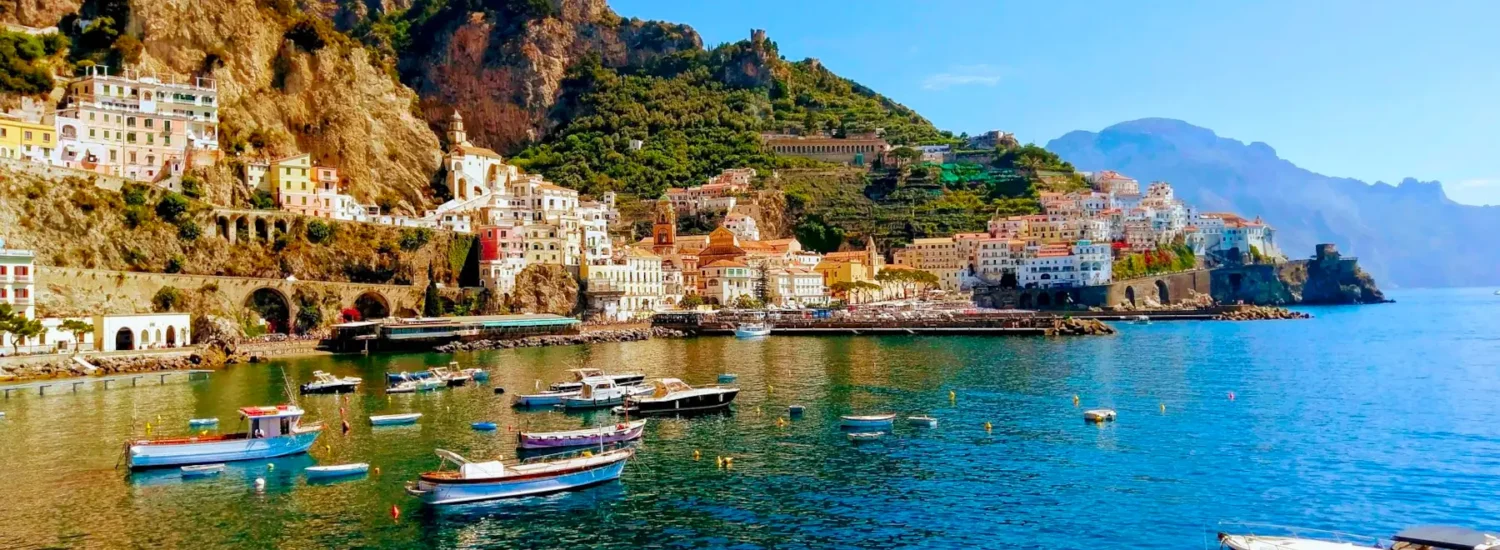
Cliffside towns, sea views and a slower rhythm
This coastline is a sequence of small towns perched between mountains and sea, linked by a road that’s beautiful and famously slow. The appeal isn’t just the scenery; it’s the way the place encourages a gentler pace: short walks, lingering terraces, and simple routines that quickly feel like your own. The coast sits within Campania, a region rich with layered history that moves at its own rhythm.
The easiest Amalfi Coast itineraries use one strong base and plan around natural rhythms. Start early for popular spots, keep the middle of the day flexible, and leave room for unplanned detours. When the coast is busy, a good plan matters more than a long checklist. The key is understanding that the Amalfi experience lives in the details: the morning light on a village staircase, the smell of lemon groves clinging to the air, the pleasure of a late lunch at a harborside table.
Many travellers pair the coast with nearby cultural highlights for contrast. A sequence that moves from the dramatic coastline inland toward the quieter valleys and ancient towns of Campania’s interior gives you the best of both worlds. With the right sequencing, you can enjoy sea days without giving up the deeper history and food culture that make this part of Italy such a rewarding destination.
Cliffside villages, coastal viewpoints, lemon groves and a classic Italian seaside pace.
Positano, Amalfi and Ravello, plus time for a boat ride or a quieter seaside stop.
April–June and September–October for comfortable days, fewer crowds and easy exploring.
Sunny Mediterranean weather; hottest and busiest in summer, mild and quieter in spring/autumn.
Varies by town; best planned around your base village and day-trip range.
Amalfi, Positano and Ravello are key names; Salerno and Naples are common gateways.
Seafood, pasta, local citrus (especially lemons), and Campania classics done well and simply.
Best with a smart base. Local buses and boats work well; private transfers reduce stress in peak
Popular ways to experience Amalfi Coast include our World Heritage & Historical Tours, Scenic Journeys through Amalfi Coast and explore Small Group Tours to Italy.
From ancient treasures frozen in time to the brilliant blue of the “Divine Coast,” immerse yourself in daily life, past and present

An immersive journey along the Amalfi Coast, blending iconic destinations with authentic local experiences, regional cuisine and the rhythm of everyday coastal life
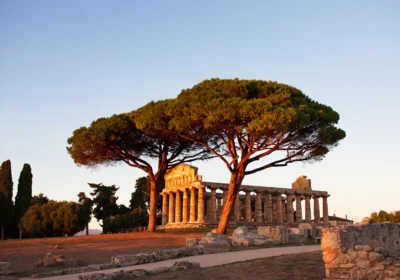
Explore the culinary soul of one of Italy’s most fertile and varied regions - discover mozzarella di bufala, wines of Irpinia, and Italy's finest olive oil.
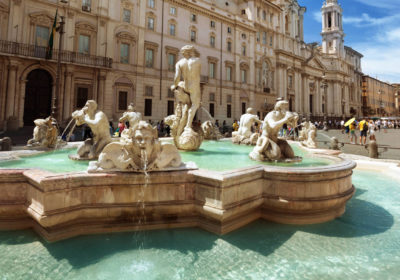
Experience Italy’s classic cities and the Bay of Naples on an 11-day escorted tour from Rome, combining Florence and Venice with Pompeii, Sorrento and Capri, plus Vatican sightseeing and regional food experiences.
The Amalfi Coast is less about doing everything and more about choosing the right shape for your days. The key is picking a base that matches how you actually travel. Ravello sits high and quiet, perfect if you want stunning views and evening opera without the daily surge of ferry crowds. Positano is the postcard town—beautiful, livelier, better if you want a real buzz and don’t mind the tourist energy. Praiano and tiny Furore offer the middle ground: real village life, genuine local restaurants, manageable crowds, and dramatic coastlines without Positano’s theatrics. Once you’re settled, the coast stops feeling complicated.
Travel logistics are simpler than people think. The SITA bus runs the whole coast reliably; ferries (April to October) connect towns like Positano, Amalfi, and Salerno, turning transport into part of the experience. Most people overestimate what needs a car here. Walk to dinner, take a morning ferry to another town, explore the lemon groves beyond the tourist shops in Atrani or Furore. Base yourself well and you can move by boat or foot. Ravello connects via minibus, and the views from its piazza alone are worth the climb.
Timing matters more here than anywhere else in Italy. October is nearly perfect—water still swimmable, roads nearly empty, and the angle of light turns everything golden. September works beautifully but still carries some summer visitors. August is relentless crowds and heat; spring (May, early June) is warm and green but busier than autumn. Early mornings before 9 a.m. are sacred: the villages are yours, the light is gentle, and a coffee in an empty piazza costs the same as it will at midday when tour groups flood in. If you’re interested in Ravello’s summer music festival, book well ahead. Beyond the obvious lemon liqueur shops, seek out small producers near Furore or Praiano where you can taste before buying. A base town with character and flexibility beats trying to see everything.


April–May and September–October are the sweet spot on the Amalfi Coast: warm, bright days with easier logistics and a calmer feel than peak summer.
Spring is ideal for coastal walks and town-hopping before the busiest period. Summer is beautiful for sea days but can be hot and crowded, so planning matters. Autumn often delivers excellent light and comfortable evenings, while winter is quieter and suits travellers who prefer a slower, more local atmosphere.
Climate figures are indicative monthly summaries derived from Open-Meteo.com historical weather data for 2015–2024.
The Amalfi Coast is unforgettable when it’s paced well. We help you choose a base, plan the right day structure, and keep the coast feeling relaxing rather than crowded and rushed.
We match your base to your pace, priorities and season so your days stay simple.
We help you avoid unnecessary backtracking and choose the easiest transport mix.
We build in downtime so the coast feels like a holiday, not a checklist.
Ready to plan your Amalfi Coast tour? We'd love to help.
Talk to us about Amalfi Coast
The Amalfi lemon isn’t just an ingredient; it’s the soul of the coast. An afternoon spent learning to cook traditional Amalfi dishes in a family’s terraced garden, surrounded by the very lemons you’re using, is one of those rare experiences that captures the essence of what makes the coast special. Andrew specifically recommends this for anyone wanting to move beyond the main tourist circuits and find the real heart of Amalfi.
You’ll start in the lemon groves themselves—organic terraces clinging to the cliffsides where these prized lemons have been cultivated for centuries. Your host, usually a multi-generational farmer, will guide you through selecting the perfect fruit, explaining the seasons and the craft of their care. Then you’ll move to a simple outdoor kitchen, often shaded by the same trees, where you’ll learn to make dishes that have been in their family for decades—perhaps a delicate pasta with lemon and wild herbs, or the region’s famous sfusato risotto. There’s no rush, no formal instruction; it’s the way cooking is meant to be learned, by doing it alongside someone who knows.
You’ll finish by sitting down to eat what you’ve made, paired with local wine and the limoncello made from last season’s harvest. These classes are small, intimate, and always held in working gardens or home kitchens. It’s a perfect experience for couples, friends, or anyone who believes that the best travel memories come when you’re learning something real from real people. The kind of afternoon where time disappears and conversation flows as easily as the wine.
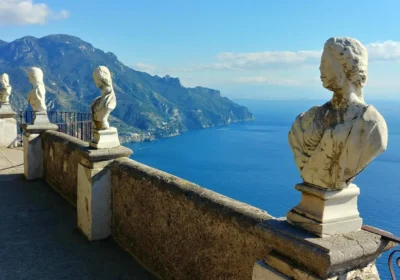
Experience the Amalfi Coast and Naples through iconic towns, coastal landscapes and rich history, from ancient ruins to cliffside villages.
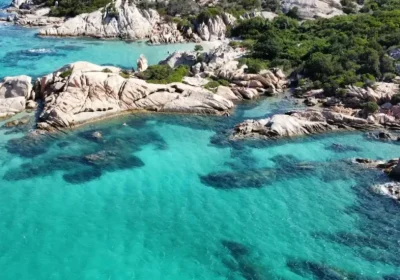
Discover Sardinia through ancient archaeological sites, distinctive local traditions and beautiful coastal landscapes, travelling from Cagliari through the island’s interior to Bosa and Alghero.
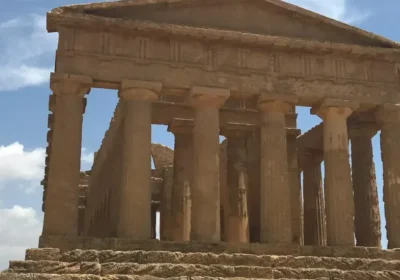
Discover Sicily through ancient sites, baroque towns and a remarkable food culture, travelling from Palermo through Agrigento and the south-east to Siracusa and Taormina.
On the Amalfi Coast, location matters more than room size. A well-placed stay reduces transport friction, keeps evenings effortless, and makes it easier to enjoy the coast outside peak hours.
In the busiest months, the most appealing rooms can be limited. We focus on comfort and access first, then atmosphere, so your accommodation supports the trip rather than complicating it.
The Amalfi Coast sits within Campania. Explore the broader region to build an itinerary that balances coastline time with cultural highlights.
Each has a distinct feel. Ravello is highest and quietest, with Views, art, culture, and the summer music festival; it’s wonderful if you want contemplative mornings and don’t mind a minibus ride to the shore. Positano is the glamorous choice, energetic with upmarket restaurants and galleries, busier but more social. Praiano is a real working village with genuine local life, dramatic cliffs, a quieter rhythm, and excellent seafood at normal prices. Furore is the most intimate—tiny, steep, almost secret, with a hidden fjord perfect for swimming and a handful of authentic spots to eat. For most first-timers, Praiano is the sweet spot: genuine atmosphere, manageable crowds, and easy access to the rest of the coast. For pure quiet and views, choose Ravello. For the full Amalfi postcard experience, Positano delivers.
October is nearly ideal—water still warm enough for swimming, crowds thinned noticeably, and the light is warm without heat-haze. September is beautiful too but still carries considerable summer tourism. May and early June are spring-fresh but busier than you’d expect. If August is your only option, plan your days deliberately: swim and eat breakfast early (before 8 a.m.), rest in your room during 2–5 p.m. when crowds peak and heat is worst, and return to the water or town after 6 p.m. when things calm. Book accommodations and restaurants months ahead, and expect to share viewpoints and beaches. The coast is still stunning, just more populated. Consider basing yourself in quieter Praiano or Furore rather than Positano.
Ferries run April through October from Salerno in the south to Positano, Amalfi, and sometimes Ravello (with a shuttle). They’re reliable, scenic, and half the fun of being here. The Salerno–Positano–Amalfi route is the backbone; smaller boats occasionally serve Praiano and Furore. Ferry schedules vary by season and weather, so check SITA or local boat operators once you arrive. Traveling by ferry transforms a journey into an experience—you see the coastline from the water, and the rhythm feels less rushed. Buses connect all towns too, but on clear days, the ferry is worth the boat ticket.
Absolutely, with thoughtful planning. The coast is walkable, not strenuous, and most beaches are sheltered. Younger children do best based in Praiano or Furore, where the pace is gentler and you avoid Positano’s crowds and steep streets. Pack beach supplies (many beaches are small pebble coves rather than sandy), bring plenty of water, and plan rest time during the hot hours. Families love the combination of boat days, gentle walks to viewpoints, ice cream in village squares, and short swims. Older kids enjoy the hikes and the ferry rides as adventures. Ravello is manageable but involves steep walks and more cultural activities; younger children may lose interest. Summer heat can be intense for little ones, so spring or autumn is gentler.
Pompeii is realistic and worthwhile—a day trip from Salerno to explore the preserved Roman city. Naples is closer (1.5 hours) and vibrant if you want urban energy, street food, and museums, but it’s a full sensory shift from the coast. Capri is possible as a day boat from Positano or Amalfi but feels rushed unless you stay overnight; the Blue Grotto is famous but crowded, and you may spend more time on the ferry queue than on the island. Most people find one day trip enough; the coast itself is the experience. If you want something closer, visit the lemon groves and villages in the hillside above Amalfi, or take a quiet boat ride to a secluded cove. Staying base-centered often yields more satisfaction than chasing multiple destinations.
No, and in fact a car often becomes a liability. The road is narrow, parking is scarce and expensive, driving is stressful, and you’ll spend time managing logistics rather than enjoying yourself. The SITA bus is reliable, frequent, and cheap. Ferries run seasonally and are half the experience. Walking within villages and between nearby towns is part of the charm. If you want to explore small villages inland (like the lemon groves near Furore or tiny hill towns), you could hire a driver for a morning or afternoon rather than renting a car for days. A car becomes useful only if you’re basing yourself far from the main coast, which defeats the purpose. Travel light, base centrally, and let the bus and ferries handle the rest.
Three nights is the minimum to feel unhurried—enough for one gentle days-based day, one boat or town-hopping day, and one slower morning before you leave. Five nights is ideal: it lets you settle into the rhythm, take a longer boat excursion or day trip inland, sleep in once, and still have time for spontaneous swims and long meals. Seven nights allows for one or two full days off, exploring neighbouring areas, or even a night away on a nearby island if you want. Fewer than three nights feels rushed; more than a week risks repetition unless you’re genuinely content to sit still and absorb the place. Build your trip around the season and base town you choose—Ravello or Positano might anchor a week, while Praiano is perfect for three to five nights of immersive village life.
Yes, and it works best when you don’t rush. The coast pairs naturally with Naples (for culture and energy) or Capri (for different island scenery), though both require a day of travel. Pompeii is a half-day from Salerno, the southernmost coast town. If you’re building a two-week Italian trip, dedicating four to five days here and then moving to a city (Naples or Rome) or the Amalfi hinterland works well. Combining it with Ravello’s higher elevations or the quieter Cilento coast to the south is beautiful if you want to extend your seaside time. The mistake most travellers make is trying to “do” the coast, Capri, Naples, Pompeii, and an island in a week; you’ll spend half your time moving. Pick the coast, pick one satellite experience (Pompeii or Naples, not both), and give yourself breathing room.