A Week In Venice, Florence & Rome
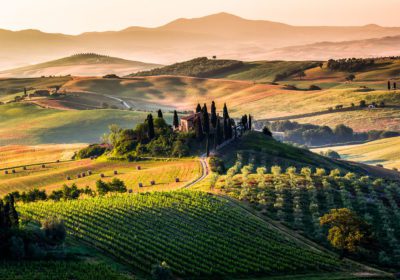
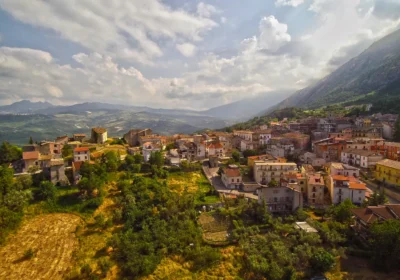
Travel from Florence through the Chianti hills, in the heart of the Chianti Classico region, on a day trip to Badia di Passignano; the hilly landscape, basking in golds and greens, is filled with
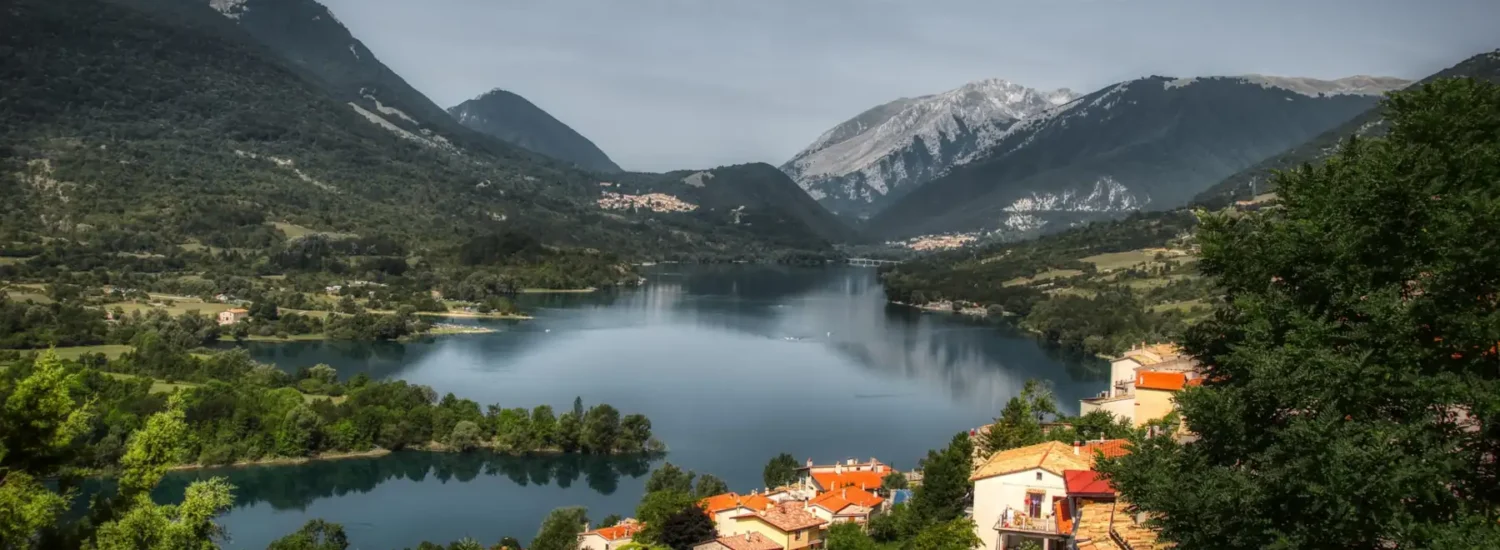
Art cities, hill towns and countryside that feels close and human
Central Italy is where many travellers find their favourite pace: strong cultural highlights in Lazio and Tuscany, but with countryside and small towns close enough to change the mood quickly. It’s a region-of-regions that works beautifully for travellers who enjoy walking days, long lunches and a relaxed sequence of bases.
Lazio anchors the trip with Rome and easy day trips to the surrounding countryside. Tuscany adds art cities and vineyard landscapes that feel endlessly photogenic. Umbria brings quieter hill towns and a greener feel, perfect for a slower pace. Marche offers a calmer Adriatic side with less tourist weight, and Abruzzo adds mountain-and-coast contrast for travellers who want something less expected.
Central itineraries work best when you choose one major city base (usually Rome or Florence) and one slower segment in the Tuscan hills or Umbrian towns. With that structure in place, you can add day trips without overloading the schedule, keeping the experience enjoyable and flexible. This is where Central Italy truly shines: depth without exhaustion.
Rome and Florence, hill towns, vineyards, and an easy mix of culture and countryside.
One major city base plus a hill town or countryside segment with time for unhurried days.
March to June and September to November for comfortable walking and countryside light.
Mediterranean overall, with cooler hill towns and more variation as you move inland and higher.
Approximately 13.3 million across five regions.
Rome, Florence, Prato, Perugia, Ancona and Pescara.
Seasonal market cooking, olive oil and wine culture, simple pastas, and regional meats and cheeses.
Trains connect the main cities; a driver or car helps most for hill towns and countryside days.
Popular ways to experience Central Italy include our Small Group Tours to Italy, Escorted Tours through Central Italy and explore Art & Culture Tours.
Travel from Florence through the Chianti hills, in the heart of the Chianti Classico region, on a day trip to Badia di Passignano; the hilly landscape, basking in golds and greens, is filled with

Experience Piedmont through historic cities, vineyard landscapes and exceptional food and wine, designed for travellers who appreciate culture, flavour and refined Italian living.

Explore Tuscany through its villages, landscapes and local traditions, blending iconic towns with authentic experiences in the region’s true heartland.

A guided Tuscan walking journey through medieval towns, countryside trails and local food experiences, balanced with culture, history and a characterful agriturismo stay.
Central Italy is where pacing matters most. Rome and Florence can be intense, but the trip becomes far more enjoyable when you plan a quieter segment immediately after city days. Even two nights in the countryside can reset the energy. If you prefer the classic postcard feel, Tuscany and Umbria are natural partners: a city base, then a hill town or countryside stay. If you want something calmer and less obvious, Marche and Abruzzo add authentic variety without feeling geographically distant from the central itinerary shape. Plan one good experience per day once you leave the city: a hill town morning plus a long lunch is enough. Stacking too many stops turns the day into a drive rather than an experience.
Rome realistically needs three nights minimum for the basic anchors (Colosseum, Vatican, Forum), but four to five nights allows a breathing day, museums without the queue fatigue, and time to walk neighbourhoods like Trastevere or the Jewish Ghetto. Consider doing Rome first (3 nights), then moving to countryside or Florence to decompress. If Florence is first, plan four nights for the major galleries, then retreat to a Tuscan hill town. The classic Chianti Classico road between Florence and Siena is utterly authentic: stop in Greve in Chianti for lunch, visit small wineries without advance booking, and drive slowly enough to notice the landscape changing. Tuscany is busier than it once was, but Umbria delivers similar beauty with significantly fewer visitors—Orvieto, Perugia, and the villages around Assisi reward a slower approach and offer genuinely local meals.
Marche and Abruzzo transform a central itinerary from predictable to personal. Marche offers the dramatic Adriatic coast, quiet hill towns like Urbino (a Renaissance jewel without the crowds), and food that rivals Tuscany. Abruzzo is genuinely rugged: national parks, mountain villages, seafood pasta that tastes like the sea. Structure the route as Rome (3 nights), countryside segment via Umbria or Marche (3–4 nights), Florence (3 nights) to avoid backtracking. Best season for cities is April–May and September–October: mild weather, manageable crowds. Hill towns are dreamy in late September when tourists thin out and golden light returns. Avoid August in cities entirely; July is crowded but manageable if you start very early each day.
April–May and September–October are the most comfortable months across Central Italy, balancing mild temperatures, manageable crowds and excellent light for city and countryside travel.
Spring is ideal for museum days, walking tours and hill towns before summer heat builds. Summer brings longer days but hotter cities and busier key sights, so pacing becomes important. Autumn is a favourite for food and wine travel, countryside colour and a calmer feel, while winter suits travellers who enjoy quieter cities and a more local rhythm.
Climate figures are indicative monthly summaries derived from Open-Meteo.com historical weather data for 2015–2024.
Central Italy can be iconic and calm in the same trip. We help you choose the right mix and keep the route realistic.
We plan key highlights with smart timing and enough breathing room, so the city days feel exciting, not exhausting.
We recommend the right base and route for hill towns and vineyards, without long daily drives or rushed stops.
Straightforward guidance from Australia, with trusted partners and transparent booking support.
Ready to plan your Central Italy tour? We'd love to help.
Talk to us about Central Italy
There are few moments in the world of travel quite like standing alone in the Sistine Chapel as the morning light begins to fill the space. Andrew specifically recommends this experience for anyone travelling to Central Italy: an early-morning private visit with an art historian who can help you actually see Michelangelo’s ceiling rather than crane your neck in a crowd of two thousand people.
You’ll enter before the general public arrives, when the chapel is still quiet and the light is soft and genuine. A specialist guide will walk you through the symbolism and story of the frescoes, pointing out details that completely change how you understand the work. You’ll learn about Michelangelo’s physical technique, his theological vision, and the four hundred years of restoration that revealed the colours we see today. By the time the tour groups begin to arrive, you’re already sitting outside with coffee, your mind still processing what you’ve just witnessed.
It’s the kind of experience that transforms how you see art and history—not because you’ve been rushed through fast facts, but because you’ve had time to actually think. Perfect for art lovers, couples, or anyone who believes that some things deserve to be experienced slowly.
Central Italy accommodation ranges from walkable city hotels to agriturismi and boutique countryside stays. The best plan is usually a combination: a central base for city days, then a quieter stay that brings atmosphere and easy evenings.
For popular periods, small countryside properties can be limited. We prioritise location and comfort so travel times stay realistic and the itinerary feels smooth.
Central Italy is made up of these regions. Explore them individually to build a route that matches your pace and interests.
Rome first is generally better: it’s more overwhelming, so doing it when you’re fresh helps. Three nights in Rome, then 4–5 nights in Florence, lets you return to manageable rhythms. Alternatively, if you’re combining Rome with the south (Naples, Pompeii), do Rome as your Rome + South anchor and leave Florence for a second trip. If you’re flying in and out of different cities, sequence based on your flights rather than the “right” order.
Book Colosseum and Vatican tickets online weeks in advance. Do the big museums (Vatican, Uffizi) on your most alert morning, not at the end of a travel day. Accept that you won’t see everything. In Rome, skip the smaller museums after the first two days and walk neighbourhoods instead (Trastevere, Campo de’ Fiori, the Ghetto). In Florence, one major museum per day is realistic; spend afternoons walking the surrounding hills or across the Ponte Vecchio into the Oltrarno. Hiring a private guide for the Vatican or Uffizi (half day, 150–200 euros) is often worth it: skip crowds, gain real knowledge.
For accessing small wineries and truly rural villages, yes, a car is valuable. For hill town bases (Siena, Montepulciano, Montalcino), you can arrive by train and explore the town and immediate surroundings on foot. Hire a car for 2–3 days to explore wine country, then drop it and base yourself in a town. The classic Chianti Classico road between Florence and Siena is best driven slowly and stopped on frequently; a hire car makes this possible. Taxis and local buses connect some towns, but a car offers freedom.
Montalcino is the gold standard: beautiful, manageable size, exceptional wine, and good restaurants without the Venice-level tourism. Pienza is smaller and even more theatrical, with stunning views across the Val d’Orcia. Greve in Chianti is larger and busier but excellent for wine access and central location. Montepulciano is dramatic (perched on a ridge) but steeper and more exhausting to walk. For a slower rhythm with fewer tourists, choose Montalcino or a smaller village nearby. Siena is busier and worth a day trip from any of these towns.
Skip the Cinque Terre (overcrowded, overpriced, overhyped). Skip day-tripping from Florence to Venice (it’s too far and feels rushed). Skip trying to do Rome, Florence, Siena, Perugia, and Assisi in two weeks (you’ll spend more time travelling than experiencing). Skip museums beyond two or three majors; you’ll retain more from walking and eating. Skip the obvious tourist restaurants in city centres; eat where locals eat, often a few blocks away.
Rome (3 nights), then either continue to Naples (3 nights as a coastal anchor) or move directly to Campania countryside. Naples is underrated: gritty, authentic food, and the gateway to Pompeii and Herculaneum (half-day trips). Alternatively, do Rome as a self-contained 4-night trip, then fly or take a train to Naples for the south. Mixing Rome with southern travel requires realistic expectations about how much ground you can cover without the trip feeling like constant transport.
Rome and Florence are absolutely possible with children, but modify the itinerary. Skip major museums and spend time in parks, fountains, and on the Tiber. Hire a stroller and accept slow mornings and early dinners. Hill towns are actually ideal with children: smaller scale, friendly locals, and outdoor meals. Tuscany countryside is more family-friendly than city centres. Avoid August (heat and crowds), and plan one family-oriented activity per day rather than marathon sightseeing.
April–May: mild weather, reliable sunshine, manageable crowds, spring gardens in bloom. September–October: golden light, warm afternoons, thinning crowds, harvest energy in wine country. Absolutely avoid August in cities (heat and closures); December is beautiful but with limited daylight. Winter (January–March) is quietest and moodiest; acceptable if you’re flexible about weather and enjoy empty streets.