Italian Coast-to-Coast Journey Bike Tour | 7-Day Cycling Challenge
Ride from the Adriatic to the Ligurian Sea across Le Marche, Umbria and Tuscany on a demanding seven-day road-cycling challenge.
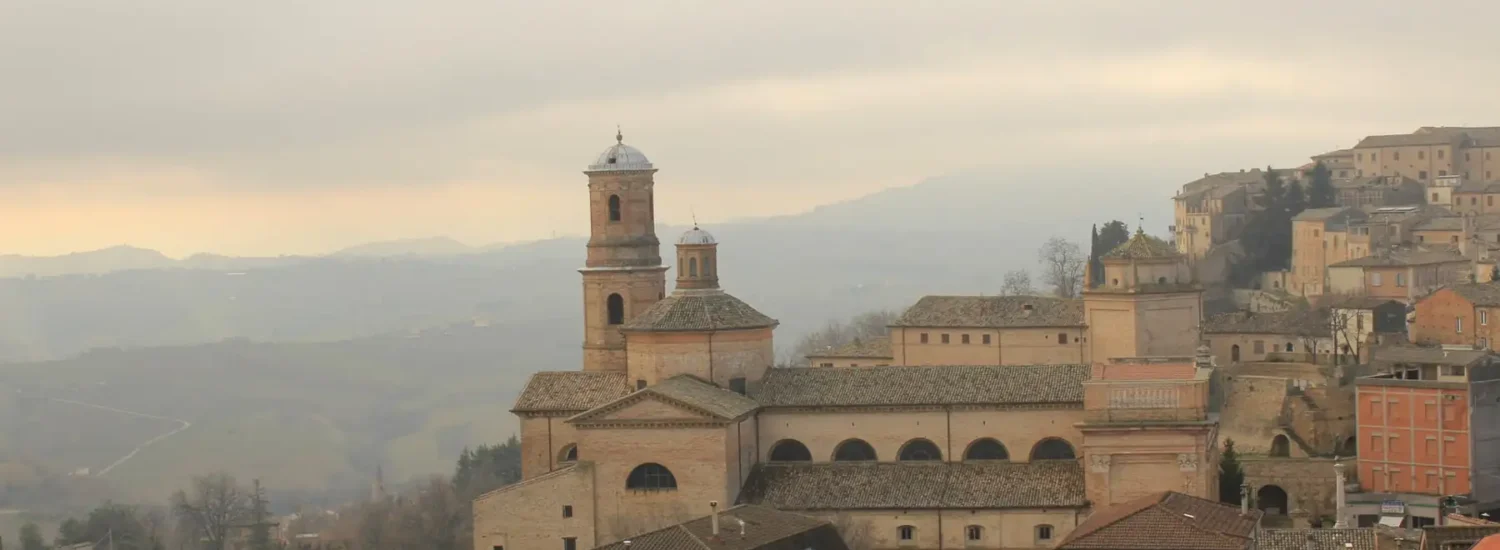
Hill towns, quiet coast and authentic Italy
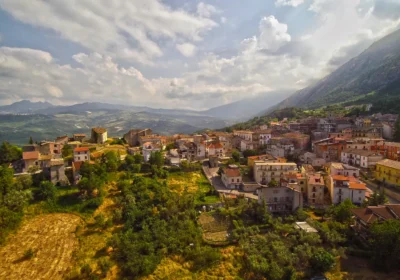
Marche sits between Umbria and the Adriatic, hilly green interior with medieval towns, and a long coastline that stays quieter than better-known Italian beaches. Urbino is the standout: a UNESCO-listed Renaissance city and birthplace of Raphael, with a ducal palace holding one of central Italy’s finest art collections.
The Conero Riviera, a short stretch of cliffs and coves south of Ancona, is the most scenic part of the coast and a good base for a night or two. Inland, the Sibillini Mountains mark the border with Umbria and offer good walking in summer. The region also produces decent wine, Verdicchio dei Castelli di Jesi is the best-known white, and worth trying with the local seafood.
A car is the most practical way to travel, given the number of inland towns and the distances between them. Pesaro and Ancona work as coastal bases, while Urbino and Ascoli Piceno anchor the inland route. Marche sits well as part of a longer central Italy itinerary.
Hill towns, countryside landscapes, a quieter central Italy atmosphere and coastal variety.
A historic hill town, a coastal stop and time in the countryside for a slow local lunch.
May to June and September to October for comfortable weather, clear views and easy touring.
Seasonal: warm summers and cooler winters, with pleasant shoulder seasons for scenic touring.
1.5mil people across small cities, hill towns and a varied Adriatic coastline.
Ancona (regional capital), Pesaro, Ascoli Piceno and Macerata.
Seafood on the coast, rustic pastas inland, regional meats and local wines, simply prepared.
Best by car for hill towns; trains work well for main coastal and city stops.
Popular ways to experience Marche include our Adventure Holidays, Scenic Journeys through Marche and explore Small Group Tours to Italy.
Ride from the Adriatic to the Ligurian Sea across Le Marche, Umbria and Tuscany on a demanding seven-day road-cycling challenge.
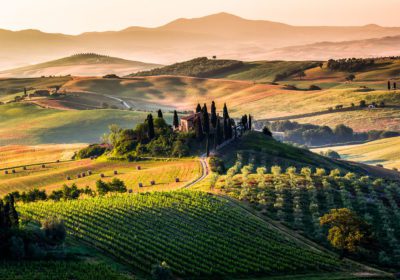
Marche is one of central Italy’s most beautiful and least-crowded regions—a stretch of Adriatic coast, Renaissance hilltop towns, and agricultural interior that receives perhaps a quarter of the tourists that flood Tuscany or Umbria. The golden sandstone hills, the limestone promontories, and the genuinely warm welcome in small towns make this a region that feels like you’ve found a secret. The best time is May through June and September when the weather is warm, the crowds are minimal, and the light turns the stone buildings golden in the afternoon. Spring also brings wildflowers to the upland meadows. What makes Marche distinctive is that it balances art history (Raphael’s birthplace, Renaissance palaces) with natural beauty (the Conero Peninsula’s white chalk cliffs, the Frasassi caves) and agricultural tourism in a way that feels completely authentic—the region hasn’t reorganized itself around tourism in the way that Tuscany or Umbria have.
Urbino in spring is the priority—the golden sandstone Palazzo Ducale catches the morning light perfectly, and the town is quiet enough to appreciate the Renaissance street plan and architecture. Raphael was born here; his birthplace is preserved on a modest street, and there’s something oddly moving about standing in the rooms where one of Italy’s greatest painters learned his craft. The Galleria Nazionale delle Marche contains La Città Ideale (The Ideal City), one of the most quietly compelling paintings in Italy—a perspective drawing of a perfect Renaissance town that says more about Renaissance thought than a hundred texts. Ascoli Piceno, south and inland, has one of central Italy’s most beautiful piazzas: Piazza del Popolo is all white travertine and Renaissance loggias, and sitting there with a drink at aperitivo hour, watching locals and tourists mingle, is Italy at its most civilized. The olive all’ascolana (large green olives stuffed with meat, crumbed and fried) was invented in Ascoli Piceno, and it is never as good elsewhere as it is here.
The Conero Peninsula, a limestone promontory south of Ancona, is the experience most visitors to Marche miss. The white chalk cliffs rise directly from clear water, creating a landscape that looks more like the Amalfi coast than the flat Adriatic. The beaches at Portonovo and Sirolo are beautiful and far less crowded than the Adriatic mainstream because access is limited by parking and narrow roads—this is actually a gift to visitors who want swimming without crowds. A 45-minute walk along the cliffside path above the water is one of the Adriatic coast’s best experiences. The Frasassi caves, discovered in 1971, are a kilometre-long cave system with stalactite formations in cathedral-sized chambers so impressive they justify the admission price—unlike most caves in Europe, these are genuinely worth visiting. The Marche interior is deeply agricultural; the Val di Chienti and the approaches to the Sibillini mountains offer walking and cycling that genuinely few foreigners visit. In June, the Castelluccio plateau above Norcia (technically Umbria but accessed from Marche) is covered in wildflowers—poppies, cornflowers, daisies—creating something that photographs rarely capture until you stand in it.
Marche food is seasonal and excellent: vincisgrassi is a baked pasta dish made with chicken livers and béchamel—the local take on lasagne and far more interesting than the standard version. Brodetto di pesce is the Adriatic fish stew, and the recipe varies by port, so eating it in Ancona’s fishing quarter tastes different from eating it in the smaller coastal towns—this variation is the sign of authentic food. The olive all’ascolana from Ascoli Piceno is genuinely worth hunting for and trying. Calcioni are sweet cheese pastries, excellent with coffee. Verdicchio dei Castelli di Jesi is a white wine that has been made in this region for centuries and pairs perfectly with the food; it’s crisp, mineral, and reasonably priced even at the source. Rosso Conero, made from the Montepulciano grape on the Conero Peninsula, is a solid red. The markets in Ascoli Piceno and Urbino are working markets where locals actually shop; buying supplies and picnicking beats paying restaurant prices for simple food.
Practical advice: Marche is accessible but not heavily developed for tourism, which is its strength and its minor weakness—hotels are modest and often family-run, restaurants are genuinely local, and you won’t find luxury accommodation easily. This is actually perfect if you want authentic Italy. Urbino and Ascoli Piceno are the cultural priorities; the Conero Peninsula is secondary but worth a day. You don’t need a car, but having one makes exploring the interior villages easier. Trains connect the main towns, and local buses serve smaller communities. The Adriatic coast north of Ancona (the mainstream beaches) is developed and less interesting; focus on the Conero Peninsula and stay away from the resorts. October is beautiful but the light begins to fade; May is ideal for light and wildflowers.
What lingers about Marche is the sense of having discovered a region that hasn’t been thoroughly commodified—the food is authentic because it’s actually what locals eat, the towns are beautiful because they were designed by Renaissance architects before tourism existed, and the welcome feels genuine because you’re not part of an overwhelming flood of visitors. It’s the closest thing to Tuscany 50 years ago.


May–June and September are ideal for Marche, balancing warm weather with a more relaxed atmosphere for coast, countryside and hill towns.
Spring is excellent for walking days and village exploration. Summer suits travellers who want Adriatic beach time, but it can be busier along the coast. Early autumn often delivers warm days and a calmer pace, while winter is quieter and best for slower travel, food and uncrowded historic centres.
Climate figures are indicative monthly summaries derived from Open-Meteo.com historical weather data for 2015–2024.
Marche is all about thoughtful routing and a relaxed pace. We help you build an itinerary that feels effortless.
We help you enjoy the beauty of central Italy without the busiest crowds, with bases and day trips that keep the trip smooth.
We suggest routes that connect towns naturally, avoiding unnecessary driving and allowing time for the atmosphere that makes Marche special.
Straightforward advice, trusted operator matching and professional booking support from our team.
Ready to plan your Marche tour? We'd love to help.
Talk to us about Marche
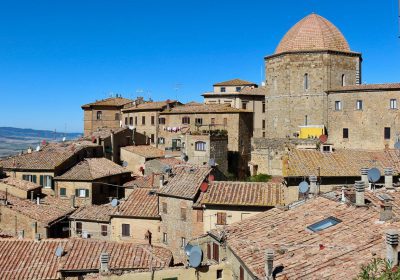
Marche is perfect for a slow, walkable afternoon in a hill town: narrow lanes, viewpoints, a local aperitivo and a dinner that feels genuinely regional. It is not a “big-ticket” experience, but it is often what travellers remember most.
We like to include at least one day that is intentionally light on logistics, giving you time to enjoy the town properly rather than rushing through it between drives.
With the right base and timing, these quieter days become the heart of a Marche itinerary.
Accommodation in Marche includes small city hotels, countryside stays and coastal properties. The best options are often locally run and well located for exploring, rather than large resorts. We focus on bases that keep driving time reasonable and make evenings easy for dining and strolling.
Palazzo dei Mercanti is an accommodation base in Ascoli Piceno, Marche featured in Italian Coast-to-Coast Journey Bike Tour | 7-Day Cycling Challenge.
If you’re exploring Marche, you may also enjoy these nearby Italian regions, each offering its own landscapes, cuisine and cultural experiences.
May through June is ideal—warm weather, wildflowers in upland areas, minimal crowds, and the light is perfect for photography and walking. September is also excellent, though slightly less green. April is possible but can be rainy. October is beautiful but the light begins to fade in the afternoons. Avoid July and August if possible—the Adriatic coast attracts swimmers and the small towns become more crowded (though still far quieter than Tuscany). Winter (November-March) is cold and grey, though the cultural sites are quiet.
Urbino is the cultural priority and makes an excellent base—the town is beautiful, hotels are modest but pleasant, and restaurants are genuinely local. Pesaro, on the coast north of Ancona, is larger, has better hotel infrastructure, and offers beach access alongside cultural sites. Ascoli Piceno is excellent for a two-night stay and offers the most beautiful piazza in the region. For beach and cliff scenery, base in one of the small towns near the Conero Peninsula (Sirolo or Portonovo), though accommodation is limited. Don’t base yourself in Ancona—it’s the transport hub but lacks charm. The interior towns (Macerata, Camerino) are quieter and appealing if you want countryside rather than coast.
The Conero Peninsula is the priority—the white chalk cliffs, the beaches at Portonovo and Sirolo, and the clifftop path are extraordinary and far less crowded than the mainstream Adriatic. Recanati is a small town famous as the birthplace of the Romantic poet Leopardi and offers modest cultural sites and quiet streets. Loreto is a pilgrim town built around a Renaissance sanctuary (the Basilica della Santa Casa); while pilgrimage tourism exists, it’s far less invasive than regular tourism. The interior villages near the Sibillini mountains (San Severino Marche, Muccia) are deeply authentic and rarely visited.
Olive all’ascolana from Ascoli Piceno is essential—the large green olives stuffed with meat, crumbed and fried are genuinely excellent and nowhere else makes them as well. Vincisgrassi, the local pasta dish with chicken livers, is worth ordering. Brodetto di pesce, the Adriatic fish stew, tastes different depending on which port you eat it in—try it in Ancona’s fishing quarter if possible. Verdicchio dei Castelli di Jesi is the white wine to order—crisp, mineral, and excellent value. Rosso Conero made from Montepulciano grapes is a solid red. Buy supplies from local markets and picnic rather than eating touristy restaurant meals.
Trains connect the main towns (Urbino, Ascoli Piceno, Pesaro, Ancona) and the regional bus network serves smaller communities. If you base yourself in one town, day trips are straightforward by local bus or train. A car is useful for exploring interior villages and the upland areas near the Sibillini mountains without the pressure to keep to bus schedules. Roads are good and driving is manageable. The Conero Peninsula is accessible by car or local bus from Ancona. Hiking is excellent and well-marked; trails are less crowded than in Tuscany or Umbria.
Three to four days minimum: one in Urbino for Renaissance art and architecture, one in Ascoli Piceno for the piazza and food, one on the Conero Peninsula for cliff scenery and swimming. Five days is better: add a day for interior villages or the Frasassi caves, and a day for Pesaro or smaller coastal towns. Six days allows for leisurely pace and proper exploration. Don’t try to rush through everything—the strength of Marche is exactly that it doesn’t require constant movement between sites.
Marche pairs naturally with Umbria to the west (Urbino to Perugia is a manageable day’s drive, or accessible by bus). The combination of Marche coastline and Umbria countryside offers both beach and hill scenery. Abruzzo to the south offers mountain scenery and food culture that complements Marche’s mix of coast and culture. The classic route is Tuscany–Umbria–Marche, moving south and east. Alternatively, start in Marche and move inland toward Umbria rather than the opposite direction—the transitions feel more natural that way.
Art and culture lovers appreciate Raphael’s birthplace, Renaissance architecture, and the quieter gallery experience compared to Florence or Rome. Beach seekers who want cliffs and clear water (rather than sandy resorts) belong here, especially the Conero Peninsula. Food and wine enthusiasts value the authentic local food culture and the chance to eat real Marche cuisine. Walkers and hikers find well-marked trails and dramatic scenery without overwhelming crowds. Travellers actively seeking to avoid tourist Italy will find Marche rewards that desire completely—it is genuinely less developed for tourism than Tuscany or Umbria, and that’s exactly why it works. However, if you want luxury hotels, Michelin-starred restaurants, or constant entertainment infrastructure, look elsewhere.