Fantastic Sardinia Tour 2026
Discover Sardinia from Cagliari to Olbia with a small group, coastal scenery, ancient Nuragic sites, mural villages, and three authentic local food experiences.
Island horizons, beaches and ancient stone
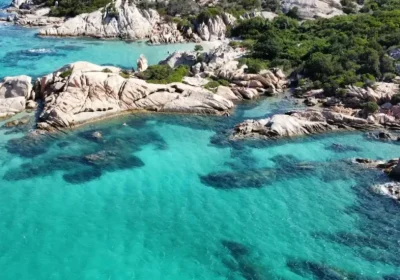
Sardinia’s coastline is genuinely extraordinary — the Costa Smeralda in the northeast delivers turquoise water and white sand that rivals the Caribbean, while the wilder southwest around Chia and Teulada feels far less visited and just as beautiful. The Gulf of Orosei on the east coast, accessible by boat or on foot, is one of the most dramatic stretches of Mediterranean coastline anywhere. The best trips pick two or three coastal areas and allow enough time to actually swim, walk and settle in.
Move inland and Sardinia changes quickly. The Barbagia region in the centre is a world apart — a rugged landscape of cork oak forests and granite villages where ancient traditions have survived largely intact. The island’s prehistoric nuraghi towers, scattered across the interior in the thousands, are unlike anything else in the Mediterranean and largely crowd-free.
Sardinia is large enough that base choice genuinely matters. A hire car is essential outside the coastal resorts, but with a sensible route and two or three bases, it’s easy to combine beaches, history and inland scenery without turning every day into a long drive.
Clear-water beaches, rugged interior landscapes, distinctive traditions and a relaxed island pace.
A coastal base with time on the water, plus at least one inland day for scenery and local culture.
May to June and September to October for warm seas, pleasant days and a more relaxed atmosphere.
Mediterranean: hot summers, mild winters; coastal breezes and microclimates vary by location.
1.6mil spread across coastal towns and a rugged interior with a distinct island identity.
Cagliari (regional capital), Sassari, Olbia and Alghero.
Seafood on the coast, rustic inland dishes, local cheeses and island specialities.
Best by car; flights and ferries connect to the mainland and between the island’s regions.
Popular ways to experience Sardinia include our Small Group Tours, Walking Tours through Sardinia and explore Adventure Holidays.
Discover Sardinia from Cagliari to Olbia with a small group, coastal scenery, ancient Nuragic sites, mural villages, and three authentic local food experiences.
Discover Sardinia through archaeology, living traditions and regional food, on a small group journey across one of Italy’s most distinctive islands.
Discover Sardinia’s unique culture through ancient sites, coastal landscapes and deeply local traditions, designed for travellers seeking something beyond the familiar Italy.
A beautifully paced Sardinian journey through Barbagia, Alghero and the Costa Smeralda, rich in food, local encounters and the island’s quieter traditions.
June and September are when Sardinia reveals why people get obsessed with it. The water is clear enough to see sea grass twenty metres down, warm enough for swimming without hesitation (24-25°C), and the beaches are accessible without the hotel prices of July-August—Costa Smeralda rooms drop 30-40% in September, which is also when the light turns amber and the light on the granite boulders becomes almost otherworldly. October works too, but the water cools rapidly. Most travellers miss this window entirely, choosing July when everyone else does.
Su Nuraxi at Barumini is the most complete Bronze Age settlement in the Mediterranean and unquestionably worth a full morning. The nuraghi—circular stone towers built around 1500 BC—still stand 15 metres high, and the settlement around them lets you see how people actually lived four thousand years ago. Go at 9am before the tour groups arrive; the stones are hot by afternoon and the guides repeat the same script a hundred times a day. The nearby village of Barumini itself is worth lunch after.
Cagliari’s Castello district is where locals live, not where tour buses go. The old walled quarter sits on a hill above the modern city, with bastion walls, the Pinacoteca Nazionale displaying Sardinian art, and street cafés where you’ll be the only English speaker. Below it, the Sunday morning market at Sant’Eligio is genuinely for shopping—fish, vegetables, clothes—not performance. Stay for an hour and you’ll understand what Cagliari is actually about. The beaches south of the city (Spiaggia del Poetto) are local and uncrowded on weekdays.
Orgosolo in the Barbagia mountains is unlike anything else in Italy. Since the 1970s, political and social murals have covered almost every building in the village—over 150 of them by now—documenting Sardinian history, resistance to the mainland state, and local identity. The murals are genuinely political art, not sanitised street art for tourists. It’s a two-hour drive from the coast, steep hairpin roads, and completely worth the commitment. Stay for coffee in the village bar and chat with whoever’s there; they’ll tell you the story behind the art.
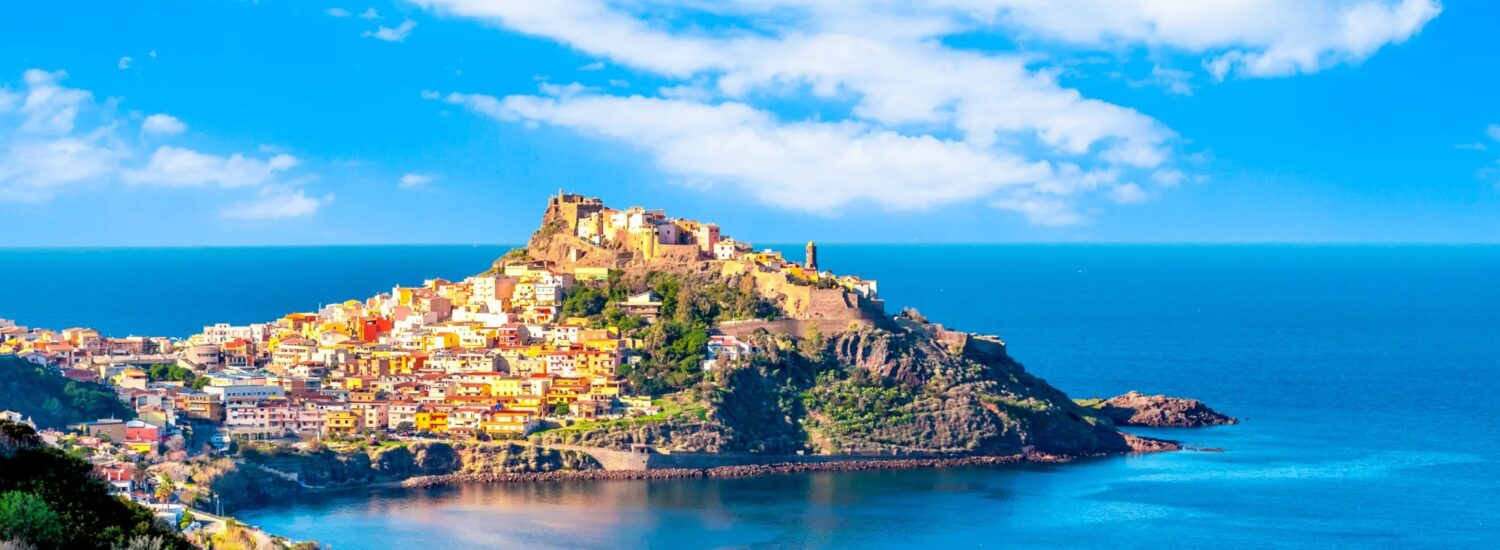
Bosa on the western coast is what people imagine Sardinia looks like before they visit. A medieval castle sits above a salmon-coloured old quarter that straddles a river—narrow stone streets, flower pots hanging from windows, the castle walls visible from the waterfront. The malvasia di Bosa DOC is an amber wine made only here, from a local grape variety, oxidised for years in wooden casks. You can taste it at the winery on the town square. It’s 45 minutes from Alghero but feels a different world. Culurgiones—hand-pinched pasta from the Ogliastra region, filled with meat and shaped like a wheat ear—should be eaten at least once; they’re impossibly labour-intensive to make. Porceddu, whole suckling pig roasted over myrtle wood, is traditional at festivals and rural restaurants. Seadas, fried pastry with soft sheep’s cheese and honey drizzled over the top, is the definitive Sardinian dessert. Bottarga—cured mullet roe, grated over pasta or rubbed on bread—comes from Cabras and is earthy and briny and worth seeking out. Cannonau is a Grenache-based red that the locals have been aging in the Ogliastra for centuries; it’s developed a mystique about longevity, and modern producers are making it seriously good. Pane carasau, a thin crispy flatbread that’s centuries old, functions as a plate, a wrap, a snack, and a foundation for bruschetta.
September-October timing is crucial; June works, but September offers better light and emptier roads. Avoid July-August. Renting a car is essential for reaching villages like Orgosolo and Bosa. Book accommodation early for June and September, as word has spread about the sweet spot.
May–June and September are the best all-round months for Sardinia, offering warm weather for coastline time with a more relaxed feel than peak summer.
Late spring suits travellers who want a balance of swimming, walking and exploring inland towns. Summer is the classic beach season, with hotter days and higher demand. Early autumn often delivers warm seas and softer light, while winter is quieter and best for slower cultural travel and local dining.
Sardinia is at its best with the right bases and a relaxed plan. We help you focus on the areas that match your travel style.
We help you choose coastal areas that suit your pace and the season, so you get the island experience you are hoping for.
Sardinia is bigger than many expect. We plan routes that avoid long, tiring drives and keep the days enjoyable.
Australian-based support with trusted partners, transparent inclusions and practical advice for island travel.
Ready to plan your Sardinia tour? We'd love to help.
Talk to us about Sardinia
A boat day is one of the most enjoyable ways to experience Sardinia’s coastline. It is not about a packed itinerary. It is about access: reaching coves and viewpoints that are difficult to enjoy from the road.
We recommend keeping the day flexible, with time for swimming and a relaxed lunch rather than constant stops. Done well, it becomes the kind of day that feels like pure holiday, and it often ends up being the most memorable part of the trip.
We can suggest the best style of boat day depending on your base, comfort level and the season.
Sardinia offers everything from boutique coastal hotels to resort-style stays and smaller town properties. The best choice depends on your focus: beach access, views, walkability or a quieter atmosphere. Because room inventory can be limited in popular coastal areas, booking early in peak season is often worthwhile.
June and September are unbeatable—the water is 24-25°C, clear, and warm enough for comfortable swimming; the beaches aren’t packed; and hotel prices are 30-40% lower than July. The light in September is particularly special, turning amber on the granite coast. October works but the water cools quickly. Avoid July-August entirely (40°C, peak crowds, double prices). Late April-May is another option if you want wildflowers and fewer people, though the water is cooler (20°C).
Cagliari works if you want urban culture (museums, markets, Castello district) mixed with nearby beaches. It’s also the main arrival point (airport and ferries). Alghero on the northwest coast is more resort-like but well-connected for exploring Bosa, the Sinis Peninsula, and northwest beaches. Olbia in the northeast is the base for the Costa Smeralda but feels more touristy. For a slower experience, base yourself in a smaller town like Bosa or one of the inland villages; you’ll need a car but you’ll see a different Sardinia.
Bosa, a medieval town with salmon-coloured stone and a castle above a river, is startling in beauty and rarely crowded outside July-August. Orgosolo in the Barbagia mountains is unique—the entire village is covered in political and social murals documenting Sardinian identity and resistance; it’s a cultural experience unlike anywhere else. The Sinis Peninsula (near Oristano) has Tharros, Phoenician and Roman ruins overlook a lagoon where pink flamingos live; the beaches are wild and empty, and it’s only two hours from Cagliari.
Culurgiones from the Ogliastra region—hand-pinched pasta shaped like wheat ears and filled with meat—are impossibly intricate to make and should be eaten at least once, ideally where a nonna is cooking them. Seek out porceddu (roasted suckling pig) at rural festivals or masseria dinners; it’s ceremonial eating. Bottarga, cured mullet roe from Cabras, is intense—grated over pasta or rubbed on bread—and worth tasting. Taste Cannonau wine, a deep red that’s been aged for generations in Ogliastra; it has a reputation for longevity and new producers are making it seriously good. Malvasia di Bosa, an oxidised amber wine made only in Bosa, is a unique experience. Seadas (fried pastry with cheese and honey) is the dessert that defines Sardinia.
Rent a car if you possibly can; Sardinia rewards exploration of smaller towns and villages, and public transport is limited and infrequent. Roads are good and distances manageable. The nuraghi sites (Su Nuraxi, etc.) require a car to visit properly. Ferries connect Sardinia to mainland Italy (Civitavecchia to Olbia is overnight, Cagliari to Civitavecchia also overnight) and to Corsica; these can be part of a larger journey. Flights arrive at Cagliari (south) or Olbia (northeast); choosing your arrival point determines your regional base.
Seven days is minimum; ten is ideal. Days 1-2: Cagliari (Castello district, markets, museums, beaches at Poetto). Days 3-4: northwest coast base (Alghero or Bosa), Sinis Peninsula and Tharros ruins. Days 5-6: inland and Barbagia (Su Nuraxi at Barumini, Orgosolo murals, mountain villages). Days 7-8: time at the beach (Costa Smeralda if you want it, or smaller western beaches). Adjust based on whether you prioritise archaeology, food, villages or beach time—Sardinia works for all of them.
A ferry connects Sardinia to Sicily (overnight, Port of Cagliari to Port of Trapani); combining both islands makes a 15-18 day extraordinary trip covering completely different Italian landscapes and histories. Sardinia to mainland Italy by ferry (Civitavecchia port is a major hub) is possible but less intuitive as a trip combination. Most visitors do Sardinia as a standalone destination rather than regional hopping.
Beach lovers who want depth—archaeology, village culture, serious food and wine—and not just sunbathing. Archaeology enthusiasts interested in Bronze Age settlements and Phoenician ruins. Food travellers willing to seek out regional dishes and local producers. Landscape photographers drawn to granite coastlines and mountain light. People who want a Mediterranean island without the crowds or tourist infrastructure of more famous destinations. If you want nightlife, resort culture or pure relaxation without cultural exploration, look to Mallorca instead.