In the Shadow of the Dolomites Tour
Explore northern Italy's mountain cultures on this 13-day small group journey through the Dolomites and beyond.
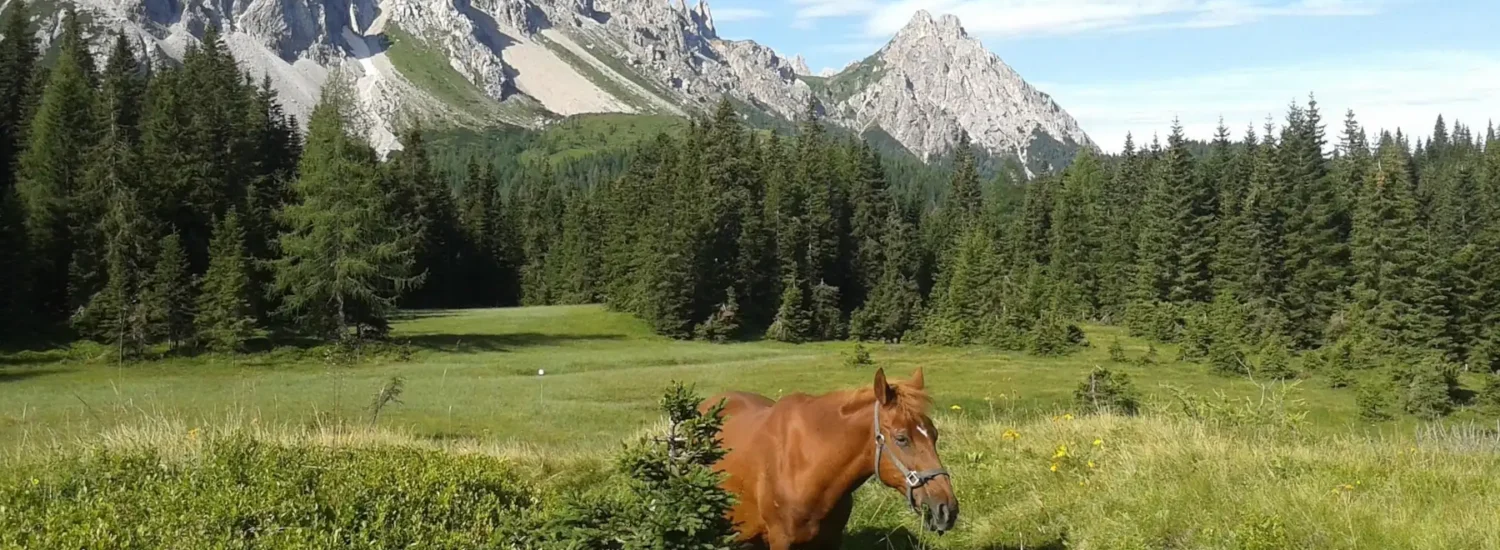
Borderland Italy: wine hills, sea and culture
Friuli-Venezia Giulia feels distinctly different from the rest of Italy, shaped by its position on the region’s northeastern edge bordering Slovenia and Austria. Architecture reveals multiple influences: Italian Renaissance alongside Austro-Hungarian imperial styles. Cuisine blends Italian technique with Central European heartiness. Even language hints suggest the cross-cultural history. This is Italy that genuinely feels like a crossroads, not Italy adapted for tourists.
The Collio and Colli Orientali wine areas are among Italy’s finest, producing distinctive white wines—Friulano, Pinot Grigio and Ribolla Gialla—from volcanic soils. Vineyard landscapes reward slow touring and tasting with small, family-run producers. Coastal towns near the Adriatic offer a different pace and character, where Italian meets Slovenian culture more visibly.
Train connections between major cities like Trieste and Udine work well, but wine regions and smaller historic towns are more easily explored with road transport. With thoughtful routing, Friuli offers a genuinely rewarding alternative to busier northern regions, attracting travellers seeking depth over crowds.
Trieste, distinctive wine regions, Adriatic influences and a calm, refined character.
Trieste, a vineyard landscape day, and a historic town stop such as Udine or Cividale del Friuli.
May to June and September to October for vineyard scenery and comfortable city walking.
Seasonal: warm summers and cooler winters; conditions vary between coast, plains and hills.
1.2mil people across Trieste, Udine and smaller towns shaped by borderland culture.
Trieste (regional capital), Udine, Pordenone and Gorizia.
Prosciutto, cheese, hearty borderland cooking, coastal seafood and excellent Friulian wines.
Trains connect major cities; a car helps for vineyards and smaller village stops.
Popular ways to experience Friuli-Venezia Giulia include our Scenic Journeys and Small Group Tours to Italy through Friuli-Venezia Giulia.
Explore northern Italy's mountain cultures on this 13-day small group journey through the Dolomites and beyond.
A slow, deeply local small-group journey through Friuli Venezia Giulia, from alpine sanctuaries to Adriatic ports, with wine country, Roman mosaics and village life.
Trieste in June or October is a city that feels like nowhere else in Italy. The Habsburg architecture tells the story of an Austro-Hungarian port city that only became part of Italy in 1954. The grand Piazza Unità d’Italia opens directly onto the sea. The literary café culture runs deep: Caffè San Marco has barely changed since 1914, Joyce wrote parts of Ulysses nearby, and the city feels more Central European than Mediterranean. The bora wind, which hits in winter and makes people grip iron handrails mounted in the street, is part of the local mythology. Summer is warmer and the Adriatic is calm.
Spend 2 nights in Trieste. Walk the Austro-Hungarian streets, sit for hours in Caffè San Marco with a notebook or newspaper, visit the Cathedral of San Giusto at the top of the hill. Castello di Miramare sits on a dramatic promontory just north of the city — a white castle built by Archduke Maximilian in the 1850s above brilliant blue water. The gardens are wonderful in May; arrive at 8am before the tour groups. Then move into the Collio wine region, which stretches east toward the Slovenian border. It’s a series of rolling hills producing some of Italy’s most elegant white wines. The road from Cormons to Dolegna del Collio runs through vineyard country with very few tourists. Stay in Cormons or in a small wine village for 2 nights and do a tasting at a small producer — not an industrial one. The wines are Friulano (formerly called Tocai), Ribolla Gialla, and Pinot Grigio with genuine minerality that supermarket versions never have.
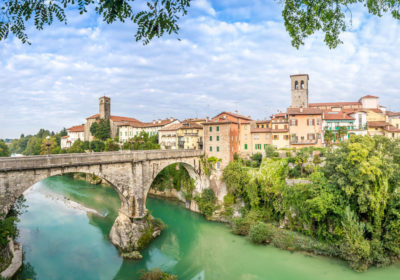
Cividale del Friuli is a small medieval town in the mountains with extraordinary Longobard heritage — it’s UNESCO listed. The Tempietto Longobardo is one of the most beautiful and least-known early medieval monuments in Italy: a small stone chapel from the 7th or 8th century, inside a larger church, with stucco decoration that feels delicate and sophisticated. Most visitors don’t realise it’s there. Grotta Gigante near Trieste is one of the world’s largest accessible caves; the stalactite formations fill a chamber 100 metres high. The osmizze are traditional farmhouse wine bars in the Carso hills that open for only a few weeks each year — locals know to stop by and drink wine from the barrel, eat simple bread and cheese, and vanish before the season ends. They’re not really tourist destinations; they’re deeply local.
Friulian food is different from the rest of Italy. San Daniele prosciutto is sweeter and more delicate than Prosciutto di Parma; it comes from pigs raised on whey from Montasio cheese production. Frico is a crispy disc of melted cheese and potato, usually potato and fontina, eaten as an appetiser or a side. Cjarsons are a sweet-savoury pasta shape filled with potato, mint, and cinnamon. Jota is a humble soup of beans and sauerkraut that tastes far better than it sounds. The white wines are exceptional: Friulano, Ribolla Gialla, and Picolit (a dessert wine from late-harvest grapes). The vermouth production around Trieste is important; Carpano and Dolin both source heavily from the region.
Trieste is excellent on foot; you can walk the entire city in a long afternoon. A car is essential for the Collio hills and small towns like Cividale. Trains link Trieste and Udine (40 minutes). Cividale has a small train from Udine (20 minutes). The region is compact. Most visitors spend 2 nights in Trieste, 2 nights in the Collio, and 1 night in Cividale, with a day trip to Aquileia’s Roman and early Christian mosaics (UNESCO site, almost completely empty). Venice is 1.5 hours by train if you want to combine the two.
What stays with you is the Habsburg elegance of Trieste and how genuinely foreign it feels from the rest of Italy. The quiet of Cividale and the Tempietto. The wine culture that isn’t obsessed with quantity or fame. The sense that you’ve found a part of Italy that tourists largely haven’t discovered, where the pace is slower and the food is subtle.


May–June and September are excellent months for Friuli-Venezia Giulia, combining comfortable weather with a relaxed pace for towns, coast and countryside.
Spring is ideal for walking days and wine country exploration. Summer can be warm and busier along the coast, while early autumn brings softer light and a calmer feel. Winter is quieter and suits travellers who enjoy museums, historic centres and a slower, more local rhythm.
Climate figures are indicative monthly summaries derived from Open-Meteo.com historical weather data for 2015–2024.
Friuli is all about the right mix: cities, wine and culture without over-planning. We help you find that balance.
We recommend wine days that feel relaxed and personal, with enough time to enjoy the landscape and the people behind the bottles.
If you prefer less crowded regions, we can shape an itinerary that highlights Friuli’s strengths without trying to copy the busier classics.
Australian-based planning support and trusted partners to keep the trip smooth from booking to travel.
Ready to plan your Friuli-Venezia Giulia tour? We'd love to help.
Talk to us about Friuli-Venezia Giulia
Friuli shines when you slow down and spend time in the wine landscape. A day with a small producer is one of the most rewarding ways to experience the region: you learn the local style, taste thoughtfully, and enjoy the scenery without the pressure of a packed schedule.
We like to keep the focus on quality rather than quantity, pairing tastings with a simple local lunch. It’s an experience that feels quietly special and very true to the region’s understated charm.
We can recommend the right kind of day based on your base town and travel pace.
Accommodation in Friuli-Venezia Giulia ranges from well-located city hotels to boutique properties in smaller towns and countryside settings. The region is less heavily touristed than some neighbours, but the best small places can still book out in peak periods. We prioritise location and comfort so the itinerary stays easy and walkable.
If you’re exploring Friuli-Venezia Giulia, you may also enjoy these nearby regions, each offering its own landscapes, cuisine and cultural experiences.
May-June and September-October are ideal. The Collio wine harvest happens in late September, which adds energy and authenticity. Trieste is pleasant year-round but the bora wind is fierce and notorious December-February; locals grip iron handrails in the street. Summer is warm and the Adriatic is swimmable. Spring and autumn offer excellent weather and fewer crowds than peak summer.
Trieste for the city experience, Habsburg architecture, café culture, and literary history. Cormons or towns in the Collio for wine country and a slower pace. Cividale del Friuli for the UNESCO Longobard heritage and mountain scenery. A typical itinerary is 2 nights Trieste, 2 nights Collio (based in Cormons or a small wine village), 1 night Cividale.
The osmizze (farmhouse wine bars) in the Carso hills south of Trieste; they open only for a few weeks each year when locals know to appear. Spilimbergo north of Udine is known for mosaic artisans and has a beautiful medieval piazza. Aquileia holds Roman and early Christian mosaics in a UNESCO site with almost no tourists — it’s often overlooked.
San Daniele prosciutto DOP (sweeter and more delicate than Parma). Frico (crispy cheese and potato disc). Cjarsons (sweet-savoury pasta with potato, mint, and cinnamon). Jota (bean and sauerkraut soup). The white wines: Friulano, Ribolla Gialla, and Picolit (dessert wine). Montasio cheese in various ages. Sit at a small wine producer’s cellar for a tasting rather than an industrial vineyard.
Trieste is excellent on foot. A car is essential for exploring the Collio wine hills and visiting small towns like Cividale and Aquileia. Trains link Trieste to Udine (40 minutes) and Venice (1.5 hours). Cividale has a small train from Udine (20 minutes). The region is compact and easy to navigate.
4-6 days is ideal. 2 nights Trieste (Piazza Unità, Caffè San Marco, Cathedral of San Giusto, day trip to Castello di Miramare and Grotta Gigante). 1-2 nights in the Collio wine region with a wine tasting at a small producer. 1 night Cividale del Friuli (Tempietto Longobardo, medieval town). A day trip to Aquileia’s mosaics from any base. Optional: seek out an osmizze in the Carso hills if the timing aligns.
Venice (Veneto) is 1.5 hours by train from Trieste. Trentino-Alto Adige lies to the west via the mountains. Slovenia is a short drive from Trieste; Ljubljana is 2 hours by car. For a complete northeastern Italy loop with Austrian and Slovene influences, combine Friuli-Venezia-Giulia with Veneto and Trentino.
Wine enthusiasts and white wine lovers particularly. Travellers who want genuine local Italy with minimal tourist infrastructure. Lovers of Central European culture and Habsburg history will be entranced by Trieste. Literary travellers interested in Joyce and cafe culture. Those seeking UNESCO heritage (Cividale, Aquileia). Moderate hikers and cyclists. It suits people who want to slow down and understand place deeply. It does not suit those wanting beaches, classic Venetian tourism, or high mountain scenery.