Emilia Romagna Tour
An intimate small-group journey through Emilia-Romagna, from Parma and Bologna to Romagna vineyards and Ravenna mosaics, with tastings, artisans and lagoon cruising.
Elegant cities, big flavours, easy touring
Emilia-Romagna is inseparable from exceptional regional cooking: Parmigiano-Reggiano, Prosciutto di Parma, Balsamic vinegar from Modena, fresh egg pasta with rich ragù. Rather than rushing through a “food checklist,” the best approach involves meaningful experiences: early-morning market visits, producer tastings with the people who make these foods, and long lunches that reveal how tradition connects to daily life. The region’s food culture isn’t performed for visitors—it’s how people actually eat.
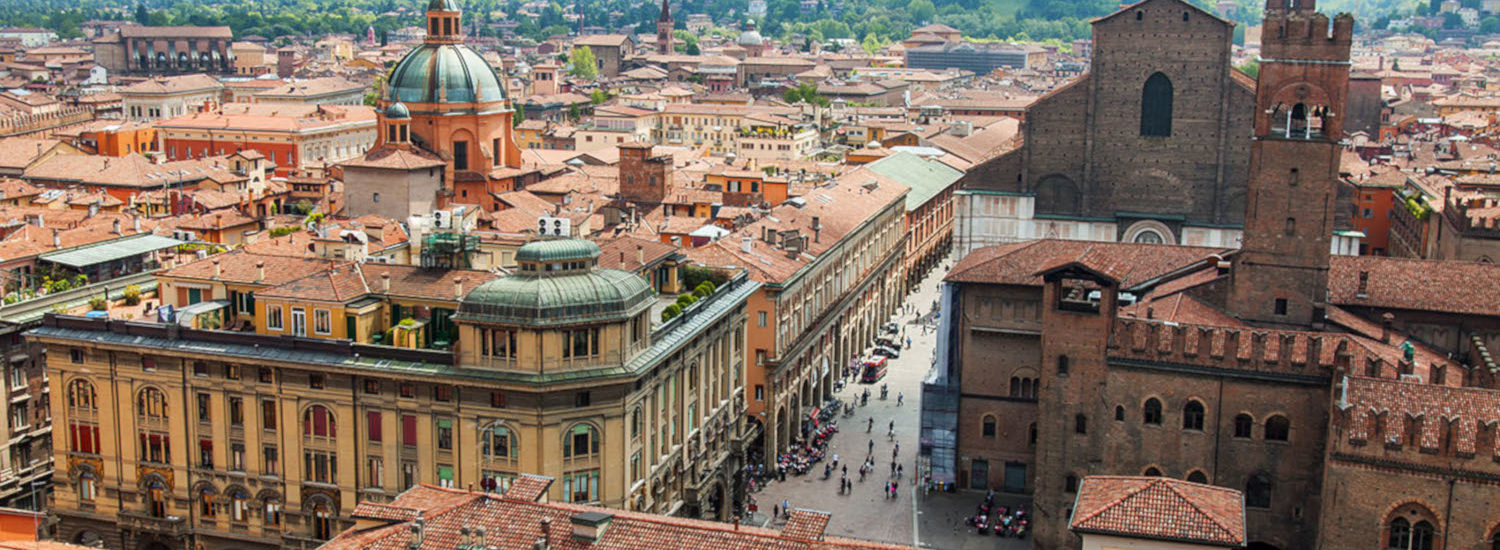
From Bologna with its lively university streets to the refined centres of Parma, Modena and Ravenna, the cities here genuinely reward wandering. They’re compact, pedestrian-friendly and full of architectural details: Renaissance porticoes that create covered walkways, hidden piazzas, elegant caffès where locals linger over espresso, and corners that seem untouched by tourism.
Transport connections between major cities are excellent, making it easy to move between bases without complications. With thoughtful planning, Emilia-Romagna delivers an outstanding cultural and culinary experience that can stand alone or integrate beautifully into a broader northern Italy itinerary.
Bologna and surrounding cities, food traditions, market culture and walkable historic centres.
Bologna, a food-focused day and one more city: Parma, Modena or Ferrara all reward a visit.
April to June and September to October for comfortable city walking, markets and seasonal produce.
Warm summers and cooler winters; spring and autumn are ideal for city walking and food touring.
4.4mil people across lively cities along the Via Emilia, plus coast and Apennine landscapes.
Bologna (regional capital), Parma, Modena and Ravenna.
Fresh egg pasta, rich sauces, cured meats, aged cheeses and traditional market-driven cooking.
Easy by train between cities; a car helps for countryside estates and producer visits.
Popular ways to experience Emilia-Romagna include our Food & Wine Tours, Art & Culture Tours through Emilia-Romagna and explore Escorted Tours.
An intimate small-group journey through Emilia-Romagna, from Parma and Bologna to Romagna vineyards and Ravenna mosaics, with tastings, artisans and lagoon cruising.

Indulge in Emilia-Romagna’s icons: Parmigiano Reggiano, prosciutto, balsamic vinegar and Lambrusco, with tastings in Parma, Bologna and more on this tour.

Travel from Milan to Venice on an eight-day small group tour featuring the spectacular Bernina Express, the Ligurian coast and Cinque Terre, before continuing through Emilia-Romagna for Ferrari heritage and traditional balsamic vinegar.

Discover Italy’s remarkable garden heritage on a 14-day journey from Rome to the northern lakes, visiting the gardens of Ninfa, Tivoli and Bagnaia, historic villas and the Borromean Islands, with a maximum of 12 guests.
Bologna in May or October is one of the great city experiences in Italy. The portico city — over 40 kilometres of colonnaded walkways — means that even rainy days are pleasant. The morning Quadrilatero market is one of Italy’s greatest food experiences: mortadella sliced to order from whole muscles, parmigiano at 12 months, 24 months, 36 months laid out for tasting side by side, fresh pasta sheets still soft from the maker’s hands, mountains of balsamic vinegar. This is where locals shop. The restaurants here are serious about food in a way that most Italian restaurants are not.
Base yourself in Bologna for 2-3 nights and make day trips outward along the Via Emilia. Drive to Parma (1 hour) to visit a parmigiano reggiano dairy in April or May, before summer when some close for the heat. Watch the enormous wheels being turned and tasted at 12, 24, and 36 months. Modena is 40 minutes south — seek out an acetaia (a traditional balsamic vinegar production house) and climb into the attic where barrels sit aging. Real aceto balsamico tradizionale is aged 12-25 years in progressively smaller barrels and costs €40-80 for 100ml; the supermarket version is not the same thing. Ferrara, 50 kilometres north, is a completely walled Renaissance city that feels less touristy than Bologna. The Palazzo dei Diamanti, the Este Castle with its moats, and the cycling culture here make it feel genuinely lived-in. Ravenna is 90 kilometres east, and the mosaics in the Mausoleo di Galla Placidia in morning light at 8am, when the skylights create a deep blue glow, are among the most beautiful artworks in Italy.
Ravenna’s mosaics are the region’s greatest secret because most tourists visit the Basilica di San Vitale with its crowds and miss the smaller, quieter mausoleums nearby. Basilica di Sant’Apollinare in Classe sits just outside town and holds some of Italy’s finest early Christian art with almost no queue. The Dozza village, a small medieval hill town between Imola and Bologna, is painted with murals and feels like it exists outside normal time. Argillano near Ravenna is a small town that most visitors don’t know exists, and the ceramics tradition there dates back centuries.
The food road is the Via Emilia: Bologna → Modena → Parma → Piacenza covers the greatest concentration of DOP (Protected Origin) products in Europe. Parmigiano-Reggiano, Prosciutto di Parma, Culatello (a cured meat from the hip that costs €100+ per kilo because only about 100 pigs per year produce the right shape), Mortadella, Lambrusco wine, and Aceto Balsamico Tradizionale. Tortellini in brodo (in clear broth) is a winter dish that appears in most restaurants. Tigelle are small flatbreads cooked on special ceramic plates, usually filled with lard and herbs. Slow Food culture is deeply embedded here — even in an autogrill (motorway service station) the food is better than most restaurants in other Italian regions. This is not accident; this is culture.
The train network here is excellent: Bologna to Modena is 20 minutes, Bologna to Parma is 60 minutes, Bologna to Ferrara is 30 minutes, Bologna to Ravenna is 90 minutes. Day trips are easy and you don’t need a car if you plan the timing. A car is useful only if you want to visit countryside acetaie and family cheese makers, which adds a layer of depth but isn’t essential. Avoid August when Bologna largely empties as locals leave for holiday. The region fills with food tourists in autumn (especially September-October) for harvest season; book accommodation ahead if you’re coming then.
What lingers is the seriousness of the food culture and how it’s woven into everyday life. Eating a tagliatelle in Bologna. The taste progression of parmigiano at different ages. The quiet of Ferrara on a bike. The moment when morning light hits the mosaics at Ravenna and you realise you’re looking at art made 1,500 years ago that was buried and forgotten and rediscovered.


April–June and September–October are ideal for Emilia-Romagna, with comfortable temperatures for city exploring, markets and food-focused day trips.
Spring is a great time for walking under porticoes, cycling-friendly routes and seasonal produce. Summer can be hot, especially away from the coast, so a slower daily rhythm works best. Autumn is a highlight for food culture and comfortable sightseeing, while winter suits travellers who want quieter cities and a cosy, culinary-focused trip.
Climate figures are indicative monthly summaries derived from Open-Meteo.com historical weather data for 2015–2024.
Emilia-Romagna is perfect for travellers who value food and culture. We help you go beyond the obvious.
We focus on food experiences that feel meaningful and local, not generic tourist stops, so the region’s reputation makes sense.
We build itineraries that suit travellers who like city walking and good dining, with simple connections between bases.
We match you to high-quality operators and clear inclusions, with Australian-based support throughout.
Ready to plan your Emilia-Romagna tour? We'd love to help.
Talk to us about Emilia-Romagna
If you want to understand Emilia-Romagna quickly, start in a market. A morning guided market visit followed by a hands-on pasta workshop is a brilliant combination. First you’re introduced to the ingredients first, then you learn how they become the dishes the region is known for.
The best sessions are practical and friendly rather than formal. You learn technique, eat well, and come away with a much clearer sense of why this part of Italy is so closely linked with food culture.
We can recommend experiences that suit different travel styles, from relaxed demonstrations to more involved cooking sessions.
Emilia-Romagna offers a wide range of accommodation, from central city hotels to boutique stays in historic buildings and countryside properties outside town. For most travellers, location is the priority: a walkable base makes dining and sightseeing far easier. In peak periods and event weeks, the best rooms can book out early.
a traditional hotel housed within a medieval palazzo, located right next to Piazza Maggiore. Rooms vary in size and décor and all are classically furnished…
an elegant 5-star hotel within walking distance of the historic centre. Designed by Renzo Piano, the hotel is stylish yet functional.
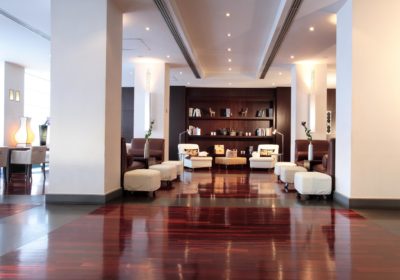
This contemporary hotel is chic, vibrant and located opposite Bologna’s central railway.
If you’re exploring Emilia-Romagna, you may also enjoy these nearby regions, each offering its own landscapes, cuisine and cultural experiences.
April-June and September-October are ideal. May offers good weather and some food events. Autumn (September-October) peaks with harvest season, food festivals, and culinary tourism. July can be warm and Bologna empties in August when locals leave for holiday; many restaurants close for weeks. Winter is possible but quieter; some countryside producers have limited hours.
Bologna is the central hub for day trips to all other towns and the market capital of the region. Parma is excellent if you want to focus on Parmigiano production and food. Ferrara is quieter than Bologna and offers a different texture of experience. Ravenna is best visited as a day trip from Bologna rather than a base, though overnighting here is pleasant. Most visitors base in Bologna for 2-3 nights and make 4-5 day trips outward.
Ferrara is under-visited compared to Bologna and genuinely rewarding. The Po Delta wetlands north of Ferrara are for cycling and birdwatching, especially flamingos in spring. Dozza is a small village between Imola and Bologna painted with murals on nearly every wall. Ravenna’s Basilica di Sant’Apollinare in Classe just outside town is less visited than San Vitale but equally extraordinary.
Taste parmigiano-reggiano at 12, 24, and 36 months at a consortium dairy. Prosciutto di Parma as a first course. Traditional balsamic vinegar (aceto balsamico tradizionale) from a producer; the real version costs €40-80 for 100ml. Mortadella sliced fresh at the Bologna market. Tortellini in brodo (in clear broth) as a first course. Tigelle flatbreads with lard and herbs. Lambrusco is a dry, slightly sparkling wine that doesn’t taste like the export sweet version; drink it cold.
Trains are excellent between cities: Bologna-Modena 20 minutes, Bologna-Parma 60 minutes, Bologna-Ferrara 30 minutes, Bologna-Ravenna 90 minutes. Day trips are easy without a car. A car is useful only if you want to visit countryside acetaie and family cheese makers for behind-the-scenes experiences. Within Bologna, walk or use the bicycle rental system.
5-7 days is ideal. 2 nights in Bologna (Quadrilatero market, museums, restaurants). Day trip to Modena (Piazza Grande, acetaia visit, food market). Day trip to Parma (Parmigiano dairy, Palazzo della Pilotta, restaurants). Either a day trip to Ferrara or overnight there (Est Castle, Palazzo dei Diamanti, cycling). Day trip to Ravenna (mosaics, Sant’Apollinare). A 7th day allows for the Po Delta or Dozza village.
Tuscany is 2 hours south (Florence, Siena, wine country). Veneto (Venice, Lake Garda) is accessible by train in 1.5 hours. Marche lies to the southeast via the Apennines. For a complete northern Italy loop, combine Emilia-Romagna with Veneto and Trentino-Alto Adige.
Food lovers above all — this is the Italian region where food is taken most seriously. Culture travellers interested in Renaissance cities and early Christian art. Those who want genuinely Italian experiences without the infrastructure and crowds of Rome, Florence, or Venice. Wine enthusiasts wanting to taste Lambrusco properly. Cyclists interested in flat, easy riding. It suits people who are willing to slow down and invest time. It does not suit those wanting mountains, dramatic scenery, or beach experiences.