Fantastic Milan with Bernina Express, Liguria & Venice 2026
An 8-day small-group journey from Milan to Venice featuring the Bernina Express, Ligurian coast gems, Cinque Terre rail exploration, Ferrari heritage, and Modena balsamic tasting.
Venice to Verona: art, wine and waterways
Venice is the obvious starting point — the Grand Canal, the Doge’s Palace, St Mark’s Basilica and the quieter neighbourhoods away from the main crowds are all worth visiting. Verona is a natural second base; a compact, walkable city with a Roman amphitheatre still used for summer opera and a genuinely pleasant old centre. Padua sits between them and is worth a stop for Giotto’s Scrovegni Chapel alone.
The Prosecco hills between Conegliano and Valdobbiadene are UNESCO-listed, scenic and easy to explore on a half-day drive. West of Verona, the Valpolicella zone produces Amarone alongside good everyday reds. Vicenza adds Palladian architecture for those who want more history between wine stops.
Rail connections across Veneto are excellent. Venice, Padua, Vicenza and Verona are all on the same main line, making it easy to move between bases without a car. A hire car for a day or two opens up the wine country and the Dolomite foothills to the north.
Venice, Verona, wine landscapes and elegant towns that mix culture with easy day-trip touring.
Venice plus at least one additional city such as Verona, and a countryside or wine day for variety.
April to June and September to October for mild temperatures and enjoyable city sightseeing.
Seasonal: warm summers and cooler winters with comfortable shoulder seasons for city touring.
4.8mil people across major cities and smaller towns, from lagoon to countryside and mountains.
Venice (regional capital), Verona, Padua and Vicenza.
Cicchetti, risotto, lagoon seafood and hearty inland dishes, paired with Prosecco and Soave.
Excellent by train between main cities; a car helps for vineyard areas and smaller town stops.
Popular ways to experience Veneto include our Scenic Journeys, Small Group Tours through Veneto and explore Escorted Tours.
An 8-day small-group journey from Milan to Venice featuring the Bernina Express, Ligurian coast gems, Cinque Terre rail exploration, Ferrari heritage, and Modena balsamic tasting.
An 8-day small-group journey from Venice to Milan featuring Lake Garda and Lake Como, Franciacorta wine tasting, Verona, and the unforgettable Bernina Express.
Discover Italy’s finest gardens on an intimate, small-group journey designed for garden enthusiasts and cultural travellers alike.
Journey through the Veneto in 2026 – Venice, Vineyards and Villas
Venice in November is the revelation that most visitors never experience. The acqua alta season means high water and occasional flooding, yes, but the city in fog and pale winter light belongs entirely to itself. The summer crowds of 100,000 daily visitors have gone; the vaporettos have space; you can stand in St Mark’s Basilica without waiting in line. The Rialto market at 7am still runs with Venetians buying fish and vegetables. A single vaporetto fare at 9pm in the November mist is worth the trip. The Renaissance architecture, the Byzantine domes, the narrow canals—they feel like they belong to you in a way they never do in summer. Veneto as a region stretches far beyond Venice: it includes Verona (Roman amphitheatre and opera), Padova (Giotto frescoes and medieval university), Vicenza (Palladio’s legacy), and the Prosecco Hills—each with distinct character and regional food.
The cicchetti ritual is Venice’s answer to tapas. In the Cannaregio district, small wine bars called bàcari serve morsels from the counter: tramezzini (delicate sandwiches), polpette (meatballs), baccalà mantecato (creamed salt cod) on bread. You order a glass of ombre (a small pour of Soave or light Valpolicella) for €1.50 and stand with other Venetians at the bar. The Calle Lunga San Barnaba area in the Dorsoduro neighbourhood is the right part of the city for this; avoid the tourist-clogged bàcari near St Mark’s. Verona’s Arena is a Roman amphitheatre that hosts opera performances (Aida, Nabucco, Turandot) in July and August; the setting is genuinely operatic: 15,000 people, candlelit, the pink marble of the stage against the night sky. Book three to four months ahead through Arena di Verona. Padova’s Cappella degli Scrovegni holds Giotto’s fresco cycle from 1305, possibly the most important sequence of paintings in Italy; entry is limited to 25 people per 15-minute slot, booked at cappelladegliscrovegni.it; the light in the chapel shifts throughout the day and changes how you see the frescoes.
The Prosecco Hills (Conegliano-Valdobbiadene, UNESCO World Heritage) is a landscape of impossibly steep vineyard terraces between two medieval towns. The Cartizze sub-zone produces the finest Prosecco Superiore. The May Cantine Aperte (Open Cellars) weekend is one of the great wine weekends of northern Italy: producers open their cellars, you taste and buy directly, the hills fill with food stalls and live music. Vicenza is Palladio’s home city, a UNESCO site where his architectural legacy dominates: the Villa della Rotonda just outside the city walls, the Palazzo Chiericati, the Teatro Olimpico (the world’s oldest surviving indoor theatre with its permanent trompe-l’oeil stage set from 1585). Compact enough for a half-day visit, easily combined with Verona. The Brenta Riviera, an hour from Venice, holds a succession of 18th-century Palladian villas along the Brenta river; hire a bike and pedal between them on a spring day.
Veneto food belongs to the Adriatic and the plains. Bigoli is a thick whole-wheat pasta served in salsa (with anchovy and onion). Risi e bisi is spring peas and rice, more soup than risotto, the dish that opens the Venetian spring. Fegato alla veneziana is calves’ liver cooked gently with onions until melting and sweet; it requires a particular technique that most restaurants get wrong. Baccalà alla vicentina is salt cod braised slowly in milk for hours; it’s extraordinarily tender and flavourful when done properly. Tiramisu was invented in Treviso (not everywhere else that claims it). The cicchetti culture means you eat standing at bars with a glass of wine: Soave (light, mineral white), Valpolicella (soft red), Amarone (concentrated, dried-grape red from the same region), Bardolino (easy-drinking red from the lake). The wines are less pretentious than Tuscany’s; excellent bottles are affordable.
Practically: November is magical for Venice but brings acqua alta and requires accepting wet feet occasionally. April through June is ideal for walking and cycling through the Prosecco Hills and visiting villas. September sees the Prosecco harvest and is excellent for wine tourism. Venice requires accepting that it’s expensive, crowded in summer, and your only transportation option is walking or boats. Stay in the Dorsoduro or Cannaregio neighbourhoods if you want to experience Venice as Venetians do rather than as a tourist attraction. Verona is ideal if you want a city experience without Venice’s prices and crowds. The Brenta Riviera and Prosecco Hills require a car or bike.
Veneto rewards art lovers, opera enthusiasts, wine lovers, and those who want to understand the history of Venetian wealth and Renaissance beauty. Seven to ten days allows time for Venice magic, Verona opera, wine tasting, and the villas without rushing.
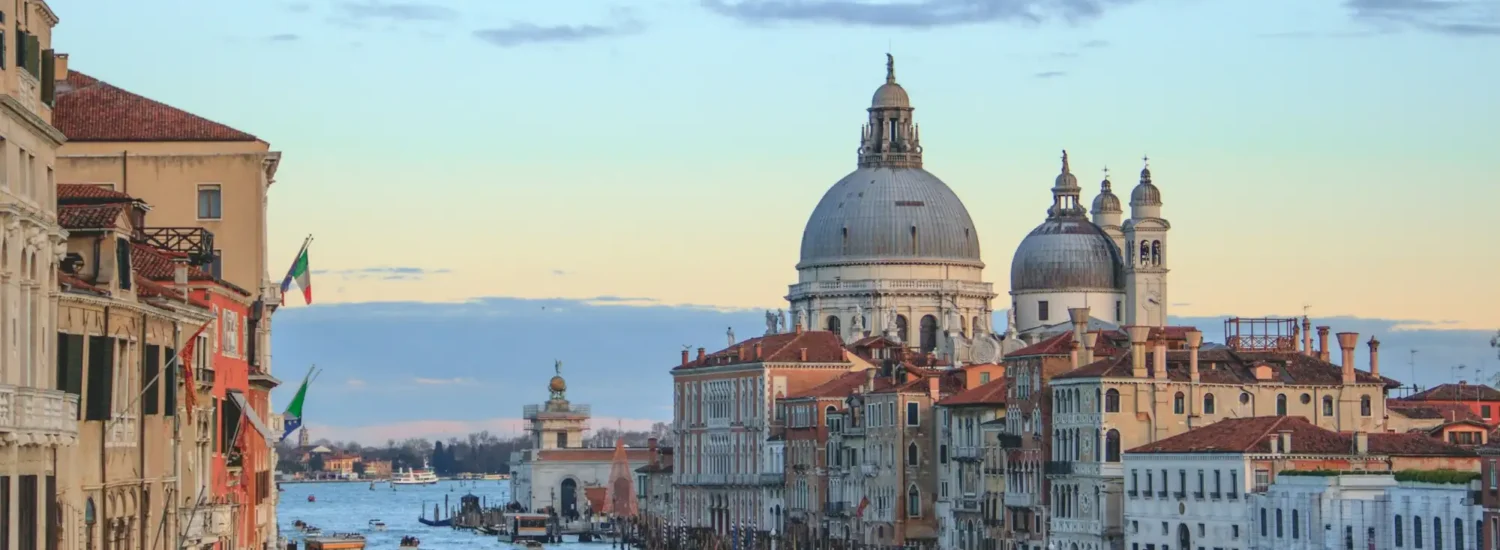
April–June and September–October are the best months for Veneto, balancing comfortable sightseeing days with a calmer pace in major destinations.
Spring is ideal for city exploring and day trips before peak season. Summer brings long, lively days but also higher crowds and hotter afternoons, so timing matters. Autumn offers softer light and a relaxed pace, while winter is quieter and suits travellers who enjoy museums, indoor culture and a slower rhythm.
Climate figures are indicative monthly summaries derived from Open-Meteo.com historical weather data for 2015–2024.
Veneto has a lot of choice. We help you create a plan that feels balanced between iconic cities and easier day trips.
We help you get the most out of Venice with sensible timing, the right experiences and a pace that stays enjoyable.
We match you to the right mainland base for day trips, wine landscapes and walkable cities such as Verona or Padua.
Australian-based planning support and specialist operator partners for tours, transfers and key experiences.
Ready to plan your Veneto tour? We'd love to help.
Talk to us about Veneto
One of the best ways to experience Venice is early, before the day builds. A short guided walk at the start of the day gives you context and confidence, then leaves the rest of your time free to explore at your own pace.
We like this approach because it combines structure with flexibility. You get the stories and orientation, then you can wander, stop for cicchetti, and enjoy the city without feeling like you are following a schedule.
We can recommend experiences that suit different comfort levels and interests, from gentle introductions to more in-depth themes.
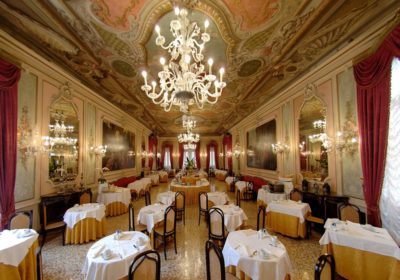
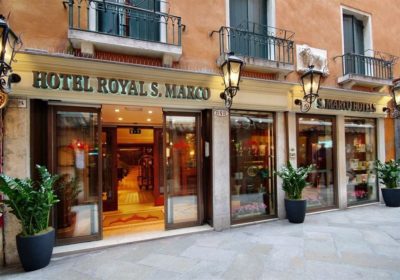
Veneto accommodation ranges from Venice stays to mainland city hotels and countryside properties. Location is the key decision: staying in the right place can save hours of transit and keep evenings enjoyable. For Venice, we recommend choosing an area that matches your preferred atmosphere and walking needs.
a family-run 5-star hotel, full of charm, with wonderful views from the terrace and a good restaurant. Rooms vary in size and layout, and some…
B&B Hotel Passo Tre Croci Cortina is an accommodation base in Cortina d’Ampezzo, Veneto featured in Fantastic Alps, Dolomites and Lakes Tour and other Italy…
B&B Hotel Venezia Laguna is an accommodation base in Venice, Veneto featured in Fantastic Italy Tour and other Italy Touring itineraries.
Byblos Art Hotel Villa Amistà is an accommodation base in Corrubbio, Veneto featured in Verona + Lake Garda Bike Tour | 6-Day Cycling Tour.
Ca’ di Dio is an accommodation base in Venice, Veneto featured in A Week In Venice, Florence & Rome.
a luxurious 5-star hotel in the historic centre of the city, formerly an 18th century-palace. Bedrooms are richly decorated in a traditional style. Single rooms…
Faloria Mountain Spa Resort is an accommodation base in Cortina d’Ampezzo, Veneto featured in Dolomites Bike + Adventure Tour | 6-Day Cycling & Hiking Tour.
Grand Hotel Savoia Cortina is an accommodation base in Cortina d’Ampezzo, Veneto featured in The Ultimate Alps & Dolomites Tour.
Hotel Amadeus Venice is an accommodation base in Venice, Veneto featured in Florence & Venice Escapade 2026.
18th Century Venetian style hotel directly on the Gran Canal
Hotel Colomba d’Oro is an accommodation base in Verona, Veneto featured in The Great Gardens of Italy Tour.
Hotel de Len is an accommodation base in Cortina d’Ampezzo, Veneto featured in Dolomites Bike + Adventure Tour | 6-Day Cycling & Hiking Tour.
Hotel Delfino is an accommodation base in Mestre, Veneto featured in Fantastic Italy Tour and other Italy Touring itineraries.
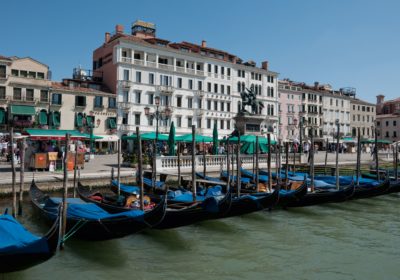
Located on the Riva degli Schiavoni this hotel lies in the heart of Venice.
A unique hotel located in the heart of Venice.
Hotel Principe Venice is an accommodation base in Venice, Veneto featured in Florence & Venice Escapade 2026.
This luxury hotel, with own private dock is located near to St Mark’s Square
Close to the Piazza San Marco, centrally located in the city centre hotel.
Splendid Venice is an accommodation base in Venice, Veneto featured in Florence & Venice | Art & Architecture Tour.
Villa Cordevigo Wine Relais is an accommodation base in Cavaion Veronese, Veneto featured in Verona + Lake Garda Bike Tour | 6-Day Cycling Tour.
November is magical for Venice: the summer crowds are gone, the light is pale and misty, and the city belongs to Venetians. Acqua alta (high water) is possible but manageable. April through June is excellent for visiting villas, cycling through the Prosecco Hills, and exploring smaller towns without July-August heat. September is ideal for the Prosecco harvest and wine tourism. Absolutely avoid July and August in Venice: 100,000 tourists daily, sweltering heat, expensive accommodation. December-February is quiet but many villas close and the light is grey.
Venice is the iconic choice, but understand that it’s expensive, crowded in summer, and your only transport is walking or boats. Stay in Dorsoduro or Cannaregio neighbourhoods for authentic experience over tourist areas. Verona is excellent if you want opera (July-August) and a more manageable city. Padova is cheaper than Venice and makes a good base for visiting Venice by train (30 minutes). The Prosecco Hills and smaller towns require a car or bike. Most travellers do a combination: Venice plus Verona, or Venice plus countryside.
Asolo is a hilltop town called the “city of a hundred horizons” for its panoramic position; it’s north of the Prosecco Hills and feels like a different era. Treviso is the original Prosecco city, a walled medieval town on a river with Venetian canal culture but dramatically fewer tourists than Venice itself. The Brenta Riviera holds a succession of Palladian villas accessible by cycling or car; this is 18th-century wealth displayed in architecture.
Bigoli in salsa (thick pasta with anchovy and onion sauce) and risi e bisi (spring peas and rice) are Venetian staples. Fegato alla veneziana (calves’ liver with onions) is divine when done properly. Baccalà alla vicentina (salt cod braised in milk) is extraordinary. Tiramisu was invented in Treviso. The cicchetti culture (small bites with wine at bàcari bars) is quintessentially Venetian. Prosecco Superiore from Cartizze is the region’s signature sparkling wine. Soave, Valpolicella, and Amarone are the traditional still wines.
Venice requires accepting that you walk or take boats (vaporettos); no cars are allowed. Trains connect Venice, Verona, Padova, and Treviso efficiently. The Prosecco Hills require a car or bike for exploring properly. The Brenta villas can be visited by bike (rentable in Padova or Dolo). A car is helpful for flexibility but not essential if you focus on major towns and use trains.
Seven to ten days allows a proper experience. Suggested: Days one to three in Venice (St Mark’s, Basilica, cicchetti in Cannaregio, evening walks). Days four to five in Verona (Arena, Roman theatre, food, wine tasting). Day six: day trip to Padova (Scrovegni Chapel, medieval university, Prato della Valle). Days seven to nine: Prosecco Hills by car (Valdobbiadene, Cartizze tastings, Asolo, Treviso, Villa exploring). Day ten: return to Venice or extend wine region time. This allows flexibility for opera (July-August in Verona) or Cantine Aperte (May wine weekend).
Friuli-Venezia Giulia to the northeast offers white wines and coastal experiences (Trieste, Aquileia). Trentino-Alto Adige to the north is 90 minutes from Verona. A broader northern Italy loop could combine Veneto with the Italian Lakes (Lombardy) to the west. Veneto-Friuli-Venezia Giulia is an excellent pairing for wine and food lovers. Most travellers combine Venice and Verona (they’re connected by train) with either wine regions or the Italian Lakes.
Art lovers find Giotto frescoes, Palladio villas, and Byzantine mosaics. Opera enthusiasts plan around July-August Arena performances. Wine lovers thrive in the Prosecco Hills and exploring Valpolicella. Venice appeals to romantics and history lovers, though it requires accepting crowds and prices. Cyclists and walkers find excellent terrain in the hills and river valleys. Families do well with villas, cycling, and swimming in Prosecco Hill towns. The region is less suited to those wanting beach holidays (try further south) or seeking complete escape from other tourists; it’s northern Italy’s cultural and wine heartland.