Local Tour of Puglia 2026
UNESCO-listed Alberobello and Matera, baroque Lecce, and Adriatic coastal gems. Enjoy a locally hosted small group week in Puglia with guided day tours, hidden villages, and authentic regional experiences.
Bold coastlines, ancient layers, and food-first travel
Southern Italy is not one style of travel. Campania is high energy and iconic—Naples, Pompeii, the Amalfi Coast. Puglia is bright, coastal and easy to love, with whitewashed towns and ancient Greek ruins. Basilicata and Molise are quieter and more local, where you’re more likely to be the only visitor in a town square. Calabria is rugged and scenic, with mountains that meet the sea. Sicily and Sardinia bring island character with their own pace, landscapes and food traditions.
The key is not trying to cover too much ground. A great southern itinerary usually combines one anchor region with a second, slower segment, then uses day trips selectively. This might mean basing yourself in Naples or Bari and taking day excursions, or choosing two complementary regions and moving once. Done this way, the trip feels immersive rather than like constant transit.
We plan southern trips around comfort and flow: the right bases, realistic travel times, and enough free time to enjoy beaches, old towns, markets and long meals without needing a tightly packed schedule. Southern Italy has a rhythm all its own, and the best trips respect that rather than fight it.
Coastlines and islands, ancient sites, strong local identity, and a food culture that leads the
A coastal base plus time inland or on an island, with enough days to travel at a relaxed pace.
April to June and September to October for warmth without peak heat and crowds.
Generally warmer and sunnier, with hot summers and mild shoulder seasons along the coasts.
Approximately 19.2 million across seven regions.
Naples, Bari, Palermo, Catania, Cagliari and Reggio Calabria.
Seafood, olive oil and vegetables, bold flavours, local cheeses, and region-by-region specialties.
Mix of trains and drivers; islands work best with a focused base and simple day plans.
Popular ways to experience Southern Italy include our Small Group Tours to Italy, World Heritage & Historical Tours through Southern Italy and explore Food & Wine Tours.
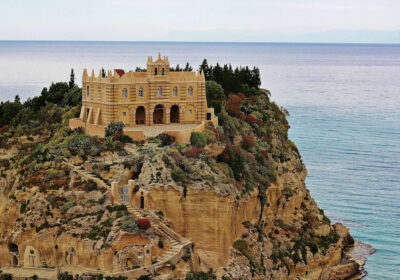
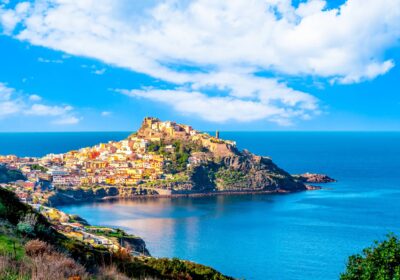
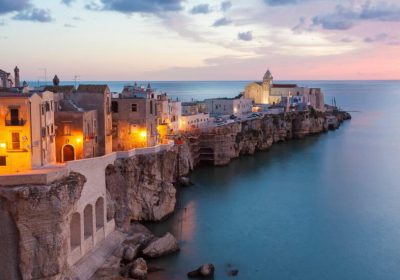
UNESCO-listed Alberobello and Matera, baroque Lecce, and Adriatic coastal gems. Enjoy a locally hosted small group week in Puglia with guided day tours, hidden villages, and authentic regional experiences.

Walk through olive groves, vineyards, trulli country and ancient landscapes on a relaxed seven-day small group tour of Puglia, with long lunches, local guides and six nights in Polignano a Mare.

An immersive journey along the Amalfi Coast, blending iconic destinations with authentic local experiences, regional cuisine and the rhythm of everyday coastal life

A festive small-group Christmas journey through Puglia and Matera, featuring UNESCO icons, baroque Lecce, white towns, street food, markets, and seasonal traditions.
Southern Italy is most enjoyable when you plan for slower days. Heat, coastal roads, and island logistics can turn a simple day into a long one if you try to fit too much in. A good southern itinerary leaves room for beach time, markets, and meals that are not rushed. Campania is the natural anchor: Naples is underrated and gritty, with food that defines southern Italy; Pompeii and Herculaneum are 45 minutes away; the Amalfi Coast delivers postcard drama if you accept traffic. Naples itself deserves three nights: the food alone justifies this (pizza, pasta, seafood, pastries), and museums often overlooked in guidebooks (the National Museum) are outstanding. Puglia pairs beautifully with Campania: the Bari-to-Lecce drive via the trulli country of Alberobello is one of the best road trips in Italy, offering white-washed villages, baroque architecture, and seafood pasta that tastes like the Adriatic.
Basilicata is the “new Tuscany” for slower travel: Matera’s Sassi neighbourhood feels like an open-air museum, and the surrounding landscape is rugged and genuine. Summer heat requires strategy: start days early (breakfast at 6:30am, sightseeing 7am–1pm), take a 3-4 hour afternoon break in air-conditioned spaces or by the water, then explore again at 5pm onward. Eat gelato rather than lunch in the heat. Coastal drives (the Amalfi, Salento coast) should be done early morning to avoid 2pm traffic jams. For Sicily, choose a clear focus rather than trying to “do” the whole island. The east coast (Taormina, Etna region, Syracuse) is dramatic, more touristy, and requires careful timing in summer. The west coast (Palermo, Agrigento, Marsala) is warmer, less crowded, and centres on Palermo’s extraordinary street food and vibrant neighbourhoods. Food defines every region: Campania owns pizza and fresh pasta; Puglia specialises in orecchiette alle cime di rapa and seafood pasta; Sicily claims arancini, cannoli, and pasta con le sardine. Food culture is prouder and more assertive in the south than elsewhere in Italy.
April–June and September–October are the best months for Southern Italy, balancing warm weather with comfortable sightseeing conditions and a relaxed pace.
Spring is ideal for coastline and historic towns before peak summer demand. Summer suits travellers focused on sea time and long evenings outdoors, but it can be hotter and busier. Early autumn often delivers warm seas and softer light, while winter is quieter and best for a slower, more local style of travel.
Climate figures are indicative monthly summaries derived from Open-Meteo.com historical weather data for 2015–2024.
Southern Italy is incredible, but it rewards realistic planning. We help you choose the right focus and keep the trip smooth.
We help you choose regions that pair well together, without long transit days that eat into the holiday.
We design days that work with heat and distances, so the trip stays enjoyable and unhurried.
Transparent inclusions, trusted partners, and responsive help throughout planning and booking.
Ready to plan your Southern Italy tour? We'd love to help.
Talk to us about Southern Italy
Pompeii is remarkable for what it shows us about Roman life, but it’s equally remarkable for how overwhelming it becomes in the afternoon heat with thousands of other visitors. Andrew recommends experiencing it differently: a guided walk through the site as the evening light softens and the crowds dissolve, led by an archaeologist who specialises in daily life rather than monuments.
You’ll walk through the streets as ordinary Romans did, stopping at bakeries with ancient ovens, laundries with stone wash basins, taverns where people ate standing up. Your guide will help you see the graffiti on walls, the stones worn smooth by two thousand years of footsteps, the small details that make the place feel human rather than historical. You’ll understand how families actually lived here, what they worried about, what made them laugh. As the sun drops lower, the temperature eases, and you’ll have long stretches where you’re walking almost alone through streets that have been silent for centuries.
It’s an experience that stays with you precisely because Pompeii itself is so present. You’re not just reading about the past; you’re walking through it at the hour when the light makes it feel least like a museum and most like a place where people once lived. Perfect for history lovers, curious minds, or anyone who wants to understand Italy on a deeper level.
Southern Italy accommodation ranges from city hotels to coastal resorts, small boutique stays and countryside properties. Location is the main decision: staying in the right town can cut travel times dramatically and make evenings far easier.
In peak months, the most appealing small properties can be limited. We prioritise comfort and access so your itinerary stays smooth and the trip feels genuinely relaxed.
Southern Italy is made up of these regions and islands. Explore them individually to choose the best combination for your trip.
Yes. Naples is gritty and chaotic but not dangerous if you follow basic street awareness: avoid unlit streets very late at night, don’t display expensive items openly, and stay in established neighbourhoods like the city centre, Vomero, or Chiaia. Pickpocketing on crowded metro cars is the main risk; keep bags secure. Most visitors feel safe during daylight and early evening. The food, energy, and authenticity make Naples well worth the minor street-smarts adjustment. It’s far more inviting than its reputation suggests.
Half-day (3 hours with a guide, or 4 hours self-guided) covers the highlights: the forum, amphitheatre, House of the Faun, bakeries, and brothels. A full day (6–8 hours) lets you explore smaller houses, quiet corners, and gardens without the rush. Herculaneum is smaller and often less crowded; pairing it with Pompeii requires a full day. Hire a private guide for Pompeii (roughly 80 euros for 2 hours) to access roped-off areas and gain real insight; self-guided feels like wandering ruins without context. Go early (before 10am) or late (after 2pm) to avoid peak heat and crowds.
July and August regularly reach 35–40 degrees Celsius (95–104 Fahrenheit). Start each day at sunrise (6–7am), do active exploration until 1pm, then rest in air-conditioned museums, cafes, or beachside until 5pm. Swim in the sea or pools mid-afternoon. Eat gelato instead of full lunch. Wear lightweight linen, hats, and sunscreen constantly. Dehydration is real: drink more water than you think you need. September and October are genuinely superior: warm but not punishing, with more sensible tourism rhythms and better light. If you must visit in summer, plan beach days and water activities rather than dusty archaeological sites at midday.
Campania (Naples, Amalfi Coast, Pompeii) offers major icons and food intensity; it’s busier and more dramatic. Puglia (Bari, trulli country, Lecce, Salento coast) is sunnier, less crowded, and easier-paced for a slower rhythm. Combine both: 3 nights in Naples (food and museums), 2 nights Amalfi or Sorrento (coast and Pompeii day trip), then 3–4 nights in Puglia (Lecce or a beach town). Neither needs more than 4 nights in a single base. Puglia suits families slightly better; Campania suits first-time southern visitors and food fanatics.
The drive connects coastal Bari through the trulli country of Alberobello (white-washed stone villages with conical roofs that look like something from a children’s book), then south through baroque hill towns and eventually to Lecce on the Adriatic. The route is roughly 4 hours without stops, but should be done in 2 days with overnight in Alberobello or a surrounding village. Hire a car (this route demands it), stop frequently, eat simple seafood pasta in small towns, and accept that every turn offers something striking. It’s one of the most rewarding road trips in Europe.
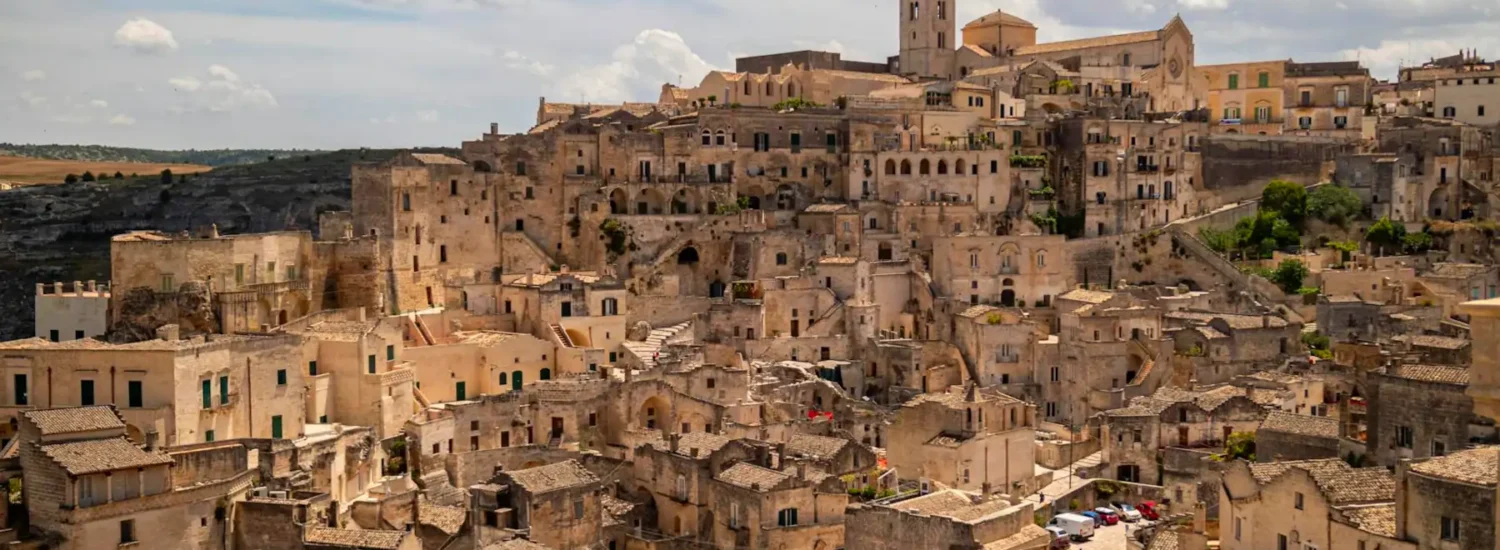
Matera’s Sassi neighbourhood is a maze of stone houses built into a ravine, inhabited for millennia, now restaurants and hotels. It feels genuinely lived-in rather than theme-park historic. The surrounding Basilicata landscape is rugged, under-touristed, and rewarding for slow exploration. A 2–3 night base in Matera works as a transition between Campania and Puglia, or as a standalone experience. The food is robust and genuine. It suits travellers wanting to step slightly off the main route without venturing too far into unknown territory.
The east coast is more dramatically scenic (Etna towering over Taormina, Syracuse’s Greek theatre), more expensive, and more crowded. The west coast is warmer, more food-focused, centred on Palermo’s street food and chaotic energy, and less touristed. For a first Sicily visit, choose one coast: 4 nights in Palermo for food and culture, or 3 nights in Taormina and a coastal town for scenery. Combining both requires 10+ days and constant movement. West coast suits slower travellers and food fanatics; east coast suits those wanting drama and archaeological sites.
Yes: fly into Rome, spend 3 nights, then train south to Naples (2.5 hours). This works logistically but dilutes focus. Better: fly into Rome for 2 nights, then take an evening flight or long train to Naples, making Naples your southern anchor. Or skip Rome entirely for a southern-focused trip: Naples (3 nights), Puglia (3 nights), optional Sicily (3 nights). Rome and the south are genuinely different experiences; combining them requires a 2-week minimum to avoid constant rushing.