Amalfi Coast Tour 2026
An immersive journey along the Amalfi Coast, blending iconic destinations with authentic local experiences, regional cuisine and the rhythm of everyday coastal life
Naples, Amalfi, islands and ancient wonders
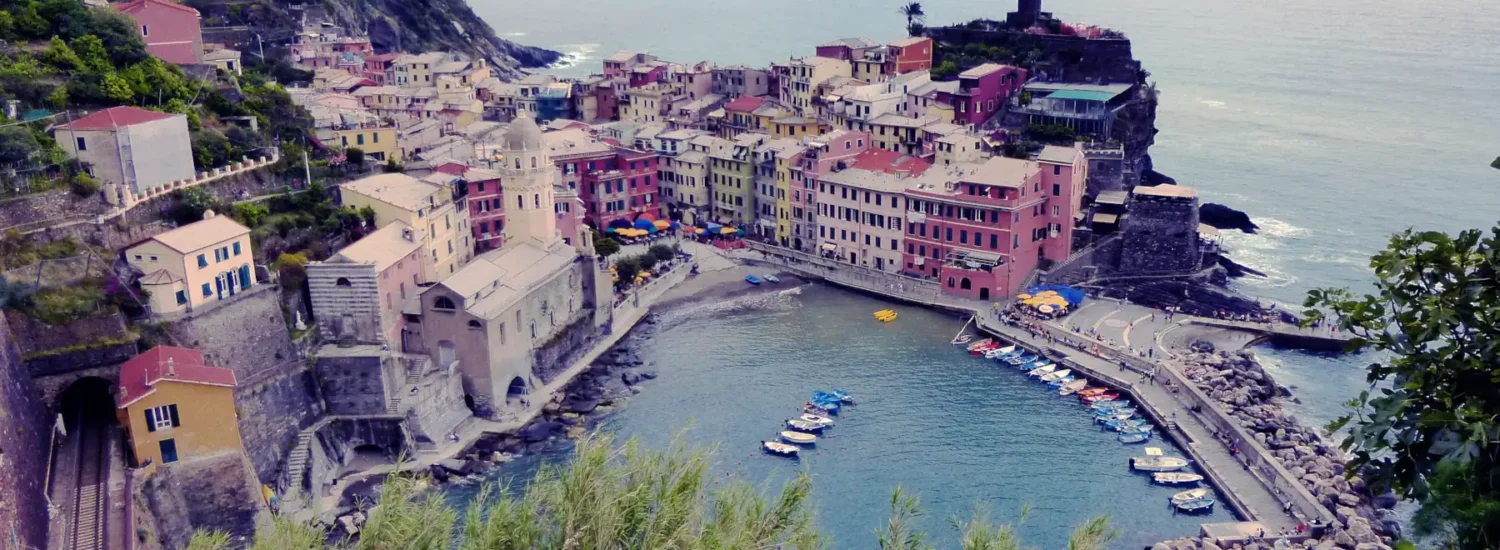
Campania is home to some of the world’s most recognisable destinations: Naples with its chaotic energy and extraordinary museums; the Amalfi Coast with villages perched on impossible cliffs; Capri and Ischia with Mediterranean glamour; and Pompeii and Herculaneum where Roman life was literally frozen by Vesuvius. The appeal is genuine, but the experience improves dramatically with thoughtful planning and pacing that prevents fatigue.
Between the headline attractions, Campania reveals itself in smaller moments: a neighbourhood espresso bar in Naples where locals crowd the counter, a seafood lunch in a small port town, a viewpoint at the end of a short coastal walk where you have sudden clarity about why the region captivates people. The food culture is bold and deeply rooted in local tradition, expressing itself with confidence even in well-visited areas. Street life remains genuinely animated.
Campania has strong transport links for major cities, but the Amalfi Coast and islands operate on completely different rhythms and schedules. We strongly recommend choosing bases carefully, limiting daily transfers, and building in unhurried time so the trip remains enjoyable rather than exhausting.
Naples, the Amalfi Coast, coastal villages, famous islands, and archaeological heritage.
Naples, the Amalfi Coast, Pompeii or Herculaneum, and a day on the water if conditions suit.
April to June and September to October for warm days, manageable crowds and comfortable touring.
Mediterranean: hot summers, mild winters with sea breezes near the Amalfi Coast.
5.6mil people centred around Naples and the coast, with inland towns and cultural sites.
Naples (regional capital), Salerno and Caserta.
Neapolitan pizza, pasta dishes, seafood, espresso culture, and local cheeses and pastries.
Trains for major centres; drivers, ferries and careful timing help most on the coast and islands.
Popular ways to experience Campania include our World Heritage & Historical Tours, Small Group Tours to Italy through Campania and explore Scenic Journeys.
An immersive journey along the Amalfi Coast, blending iconic destinations with authentic local experiences, regional cuisine and the rhythm of everyday coastal life
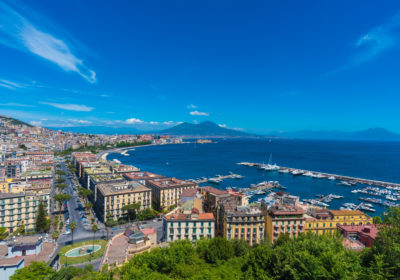
A premium week from Rome to Naples via Sorrento, Pompeii, Capri and Positano—handpicked 4-star stays, seamless transfers, and iconic experiences done properly.
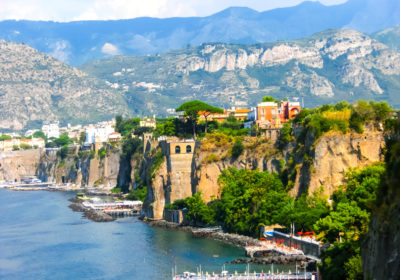
A 5-day Rome, Sorrento and Amalfi mini tour combining scenic transfers, coastal stays, and time on the Amalfi Coast without overcomplicating the route.

Discover Italy’s finest gardens on an intimate, small group journey designed for garden enthusiasts and cultural travellers alike.
Late September and early October is when Campania transforms. The summer heat breaks, the Amalfi Coast ferries still run regularly, and the tourist numbers drop by 40 percent overnight. This is the season when you can actually move through Naples in the morning without feeling like you’re in a crowd. The light softens. The sea is still warm but no longer a hot bath. If you can only come once, come then.
Start in Naples and begin at Spaccanapoli at 8am, before the crowds. Stand at a counter at Caffè Gambrinus or Bar Mexico and drink an espresso with a cornetto. Walk the Via San Gregorio Armeno where craftspeople have made nativity figures for 400 years — there are actual artisans working, not tourist shops. The Museo Nazionale Archaeologico holds the real treasures from Pompeii: the erotic mosaics, the frescoes, the Alexander mosaic that most people think is in Pompeii but isn’t. Most visitors don’t realise the best artefacts are here, not at the archaeological sites. Then base yourself on the Amalfi Coast for 3 nights. The ferry from Naples to Positano or Ravello is far better than driving the SS163 road; that road is genuinely stressful in summer (narrow, cliff edge, tour buses). Ravello sits at 350m above the chaos, and the Villa Rufolo gardens and terrace explain immediately why Gore Vidal and Wagner moved here.
Caserta is where most visitors miss the point. The Palazzo Reale is Italy’s largest royal palace — it’s often called the Versailles of Italy and it’s 30 minutes from Naples with almost no queues. Herculaneum is smaller and better preserved than Pompeii, and vastly less crowded. Go there early and spend an hour in quiet exploration; the wooden beams and structures are visible in a way that Pompeii’s open streets aren’t. Capri is famous and genuinely beautiful but in July and August it becomes unbearable. Ischia, just next door, has thermal spas, better food, and half the tourists. Cuma, one of Italy’s oldest Greek settlements, sits north of Naples and feels almost completely abandoned — the archaeological site is extraordinary and you’ll have it to yourself.
Neapolitan pizza culture is part of why you’re here. The correct ritual is standing at a counter (not sitting at a table), ordering a margherita or marinara, and eating it folded in four, called a libretto. The toppings should droop with oil. The crust should have char, not be fluffy. The best pizzerias have no tourism infrastructure — no printed menu, no English, no credit card payments. Ask a local where they eat. Sfogliatella, a crispy fried pastry with ricotta and candied fruit, is the other essential: buy it fresh in the morning at a pasticceria and it’ll still be warm. Babà is a small rum cake that disappears in two bites. Spaghetti alle vongole uses tiny clams from the coast, white wine, and nothing else. The limoncello from Sorrento lemons is mandatory, though buy it from a producer, not a supermarket.
Timing is everything. Go to Pompeii and Herculaneum at 8am when they open; by 10am the tour groups arrive. Spend no more than 2 hours at Pompeii — longer and the crowds and the scale become overwhelming. Naples deserves 2-3 nights because the food is different from the rest of Italy and because you need time to understand how the city works. The Amalfi Coast is best in May, June, September, October. August is stressful. If you’re driving the coast road, do it early morning before the tour buses. Resist the urge to move accommodation every night; 3 nights in one Amalfi base allows you to take day trips without constant packing.
What stays with you is the chaos and energy of Naples, and how the rhythm of life is different from the north — louder, more spontaneous, less orderly. The colour of the sea from Ravello’s cliffs at sunset. The taste of a sfogliatella while still warm. The sense that you’ve seen something essential about Italy that the tourist trail mostly misses.


April–May and September–October are the best times to explore Campania comfortably, with pleasant weather for city walks, coastline time and archaeological sites.
Spring is excellent for sightseeing and day trips before peak crowds. Summer is ideal for coastal travel but can be hot and busy, so a well-paced itinerary helps. Autumn brings softer light and a calmer feel, while winter suits travellers who want fewer crowds in cities and cultural sites, with a slower, more local rhythm.
Climate figures are indicative monthly summaries derived from Open-Meteo.com historical weather data for 2015–2024.
Campania is popular for a reason, but it needs smart pacing. We help you travel well here.
We help you sequence the big sights with the right timing, so you enjoy the highlights without spending the trip in queues.
Choosing the right base makes everything easier, especially on the Amalfi Coast. We recommend locations that keep days simple.
We match you to quality small-group and private options, with clear inclusions and Australian-based support.
Ready to plan your Campania tour? We'd love to help.
Talk to us about Campania
For many travellers, Naples is where Campania truly comes alive. A guided neighbourhood food walk is one of the best ways to understand the city: you taste your way through everyday places, learn the “why” behind the dishes, and see streets you would never find on a first visit.
The experience is as much about context as it is about food. Between small tastings and short stops, you get a clearer sense of Naples’ rhythm, humour and confidence. It’s an ideal inclusion early in the trip because it sets the tone for everything that follows.
We can recommend options that suit different comfort levels, from gentle introductions to more immersive walks.
Campania accommodation ranges from city hotels and heritage properties to cliffside coastal stays and island resorts. Availability and pricing change sharply by season, especially on the Amalfi Coast. We recommend choosing location first, then comfort level, so the trip feels smooth and you are not spending each day in transit.

A charming 4-star luxury hotel, in a peaceful location. All rooms have balconies.
Modern 5-star hotel on the hill-top above the town of Vico Equense. Rooms with a sea view are available on request and for a supplement.
A 5-star hillside hotel in a quieter area of the city, with spectacular views over the bay of Naples, Mount Vesuvius and the island of…
Grand Hotel Quisisana is an accommodation base in Capri, Campania featured in A Week In Naples, Capri & Amalfi.
A 4-star hotel on the waterfront about 15 minutes on foot from Piazza Plebiscito, with spectacular views of Mount Vesuvius and the island of Capri.…
Grand Hotel Vesuvio Naples is an accommodation base in Naples, Campania featured in A Week In Naples, Capri & Amalfi.
Grand Hotel Vesuvio Sorrento is an accommodation base in Sorrento, Campania featured in Fantastic Italy Tour and other Italy Touring itineraries.
A modest 4-star city centre hotel, centrally located in a pleasant square.
Hotel L’Ancora is an accommodation base in Positano, Campania featured in Jewels of the South 2026.
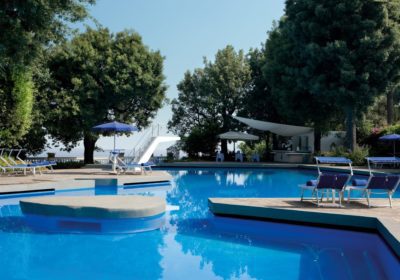
Cliff top location overlooking the Gulf of Naples.
Hotel Pasitea is an accommodation base in Positano, Campania featured in Jewels of the South 2026.
Hotel Residence Amalfi is an accommodation base in Amalfi, Campania featured in Amalfi Coast Tour 2026.
Hotel Santa Caterina is an accommodation base in Amalfi, Campania featured in A Week In Naples, Capri & Amalfi.
La Bougainville is an accommodation base in Capri, Campania featured in Jewels of the South 2026.
Luna Convento is an accommodation base in Amalfi, Campania featured in The Beautiful Coast, Sorrento and Amalfi 2026.
Marulivo Hotel is an accommodation base in Pisciotta, Campania featured in Amalfi Coast + Cilento Bike Tour | 6-Day Cycling & Hiking Tour.
Monastero Santa Rosa is an accommodation base in Conca dei Marini, Campania featured in Amalfi Coast + Cilento Bike Tour | 6-Day Cycling & Hiking…
Palazzo Belmonte is an accommodation base in Santa Maria di Castellabate, Campania featured in Amalfi Coast + Cilento Bike Tour | 6-Day Cycling & Hiking…
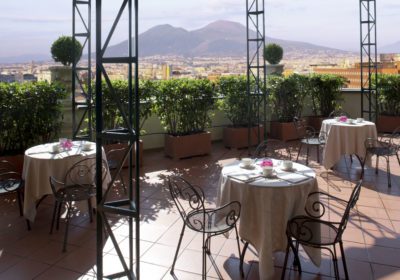
Centrally located, on the Piazza Garibaldi, with stunning views of the coast.
If you’re exploring Campania, you may also enjoy these nearby Italian regions, each offering its own landscapes, cuisine and cultural experiences.
Late September through October is ideal: the summer heat breaks, ferries run reliably, and crowds drop significantly. April-June is also excellent for archaeology without oppressive heat. July-August is popular but intensely hot and crowded, especially on the Amalfi Coast. November-March is quiet but some ferries and services reduce frequency, and the sea is cold. Spring can be unpredictable and some beach facilities are closed.
Naples for archaeology, museums, food culture, and city exploration — base here for 2-3 nights. Positano or Praiano for the Amalfi Coast experience; Praiano is quieter and less touristy. Ravello is 350m above the coast for those wanting scenery without beach crowds. Sorrento works as a compromise but is more touristy. Most visitors do 3 nights Naples, then 3-4 nights on the Amalfi Coast without moving again.
Caserta’s Palazzo Reale (often called the Versailles of Italy and massively under-visited). Herculaneum is smaller, better preserved, and vastly less crowded than Pompeii. Cuma is one of Italy’s oldest Greek settlements, north of Naples, with extraordinary archaeology and almost no tourists. Aquileia has Roman and early Christian mosaics but most visitors don’t think to go there from Naples.
Neapolitan pizza (DOC protected) eaten standing at a counter as a libretto. Sfogliatella pastry bought fresh in the morning. Babà rum cakes. Spaghetti alle vongole using tiny local clams. Fresh fior di latte mozzarella tasting in Agerola (mountain village south of the coast). Limoncello made from Sorrento lemons, from a producer not a supermarket. Don’t miss simple insalata di mare (seafood salad) at a small trattoria near the water.
The Circumvesuviana train connects Naples to Pompeii and Herculaneum (30 minutes), though it’s crowded. Ferries link Naples, the Amalfi Coast towns, and the islands (Capri, Ischia) — the ferry is better than driving the coast road. A driver is strongly recommended for the Amalfi Coast road (SS163) in summer; it’s narrow, dramatic, and full of tour buses. Naples itself is best explored on foot.
8-10 days minimum does Campania justice. Day 1: arrive Naples, Spaccanapoli, museums, evening food. Day 2: Pompeii early morning (2 hours only), afternoon Herculaneum. Day 3: day trip Caserta, evening back in Naples. Day 4: travel to Amalfi Coast. Days 5-6: Amalfi Coast base, day trips (Ravello, walking, beaches). Day 7: island day trip (Capri or Ischia). Day 8: return Naples or extend beach time.
Basilicata (Matera’s ancient stone city) is 2.5 hours south by car. Calabria can be explored down the coast road. Heading north, Lazio and Rome are 2 hours by train. For a complete southern Italy loop, combine Naples (Campania), Matera (Basilicata), and the beaches and archaeology of Calabria.
First-time Italy visitors wanting iconic scenery and archaeology. Food lovers obsessed with regional cuisine. Archaeology enthusiasts. Those willing to tolerate crowds and chaos for extraordinary experiences and genuinely unique culture. It suits beach lovers, island explorers, and anyone fascinated by the collision of Greek, Roman, medieval, and modern history. It does not suit those wanting quiet, orderly experiences or pristine beaches.