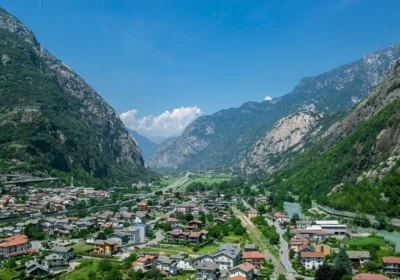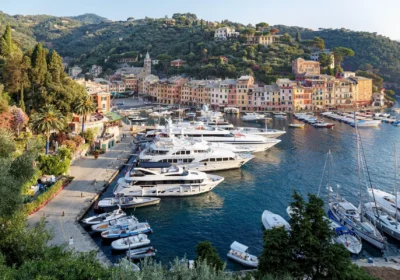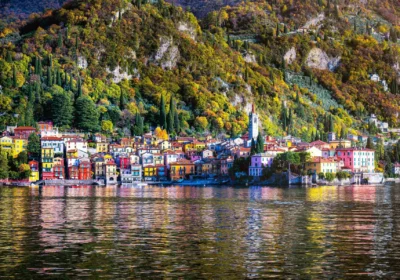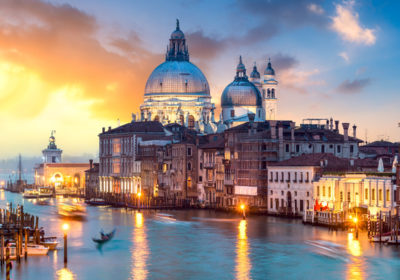
Lake Como & Bernina Express | 4 Day Private Tour 2026
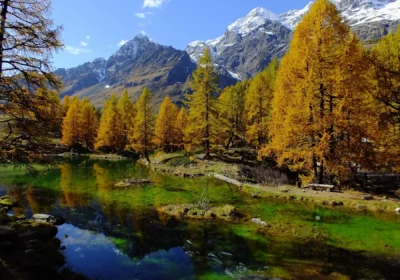
A private Lake Como escape with a full-day Bernina Express experience to St Moritz, combining alpine scenery, flexible free time, and comfortable lakeside accommodation.
Cities, lakes and mountains, stitched together by great rail
Northern Italy is not one experience. It’s a collection of regions that each travel differently: the high valleys and Alpine peaks of Aosta Valley and Trentino-Alto Adige, the city-and-lake rhythm of Lombardy, the vineyard hills of Piedmont, the coastal character of Liguria, and the cultural centres of Veneto, Emilia-Romagna and Friuli-Venezia Giulia.
The easiest northern itineraries use two or three bases and let day trips do the work. Fast trains connect the major cities, while short road transfers (or a driver) open up lake shores, wine areas and smaller towns without turning every day into a long travel day. This is where the region-to-region connections become a real asset: you can stay in Milan or Venice and explore the surrounding territories in a day.
For most travellers, a great northern trip is a balance: a few purposeful museum and history moments, plus plenty of everyday Italy. Think market mornings, long lunches, slow evening walks, and enough downtime that the trip stays enjoyable rather than over-scheduled. Northern Italy rewards both the art lover and the person who simply wants to sit by a lake with good wine.
Alps and lakes, refined cities, vineyard hills, and some of Italy’s easiest rail touring.
A lake segment, at least one great city base, and one slower area for food, wine or scenery.
April to June and September to October for comfortable walking and clear lake and mountain days.
Very varied: alpine conditions in the north, milder lakes, and hotter summers on the plains.
Approximately 27.6 million across eight regions.
Milan, Turin, Venice, Bologna, Genoa, Verona and Trieste.
Risotto and polenta, cured meats and cheeses, vineyard cuisine, and seafood along the Ligurian
Fast trains for city-to-city travel; short transfers for lakes, wine areas and alpine valleys.
Popular ways to experience Northern Italy include our Small Group Tours to Italy, Scenic Journeys through Northern Italy and explore World Heritage & Historical Tours.
A private Lake Como escape with a full-day Bernina Express experience to St Moritz, combining alpine scenery, flexible free time, and comfortable lakeside accommodation.

An 11-day Tauck river cruise from Milan to Amsterdam, combining Lake Como, Rhine towns, exclusive events, and luxury cruise inclusions.

Lake Maggiore, Lake Orta and Lake Como on a relaxed 9 day small group journey, with alpine landscapes, private boat trips and time to enjoy the lakes at an unhurried pace.

Experience Piedmont through historic cities, vineyard landscapes and exceptional food and wine, designed for travellers who appreciate culture, flavour and refined Italian living.
Northern Italy rewards travellers who plan for contrast. A few days in a major city can be a highlight, but the trip usually feels best when you follow it with somewhere slower: a lakeside base, a vineyard landscape, or a compact town where evenings are simple. Choose one “anchor” region and build outward. Lombardy is excellent for Milan plus lakes; Piedmont suits food and wine with elegant cities like Turin and Alba; Veneto is strong for Venice and mainland variety; Trentino-Alto Adige is for mountain scenery and rhythm. Emilia-Romagna is genuinely underrated: Bologna, Modena, and Parma form a food trail that rivals any in Italy. The Langhe hills south of Alba produce the world’s best white truffles, and autumn brings the full sensory experience of harvest season.
Plan your trip shape as “city anchor plus slower segment.” Three nights in Milan or Venice, then shift to the lakes, wine country, or countryside. This pattern lets your body adjust and makes the full journey feel spacious rather than rushed. For rail travel, a 7-day Eurail pass makes sense if you’re doing multiple bases; otherwise, buy individual tickets on Trenitalia—booking in advance yields prices that rival a pass. Northern Italy’s rail network is excellent, and trains between bases (Milan to Como, Venice to Verona, Bologna to Florence) are fast and comfortable. Reserve a hire car for a specific segment—say, three days exploring the Langhe wineries or the Dolomites—rather than picking it up in Milan and keeping it the whole trip.
Timing shapes the entire experience. Spring (April–May) brings mild weather, blooming gardens, and reliable sunshine after variable mountain weather. Autumn (September–October) offers harvest energy, perfect light, and the Langhe at full truffle and wine character. Avoid August: cities empty as Italians escape to the coast, restaurants close, and heat is punishing. December brings Christmas markets and crisp Alpine air, but daylight is limited. Minimum stay is 7 days; 10–12 days allows real breathing room. In a fortnight, you can do Milan, lakes, the Langhe, Piedmont wine towns, and either Veneto or Emilia-Romagna without feeling pressured. What’s overrated in the north: the Cinque Terre (overcrowded, Instagram-driven, priced for tourists). What’s underrated: the Franciacorta wine region near the lakes, the Veneto hill towns east of Padua, and most of Emilia-Romagna. These deliver the same authenticity and food quality with a fraction of the crowds.
April–May and September–October offer the most favourable conditions across Northern Italy, balancing mild temperatures, fewer crowds and exceptional seasonal colour.
Spring sees the lakes and countryside come to life with blossoms, fresh produce and ideal conditions for walking, cycling and wine touring. Autumn brings harvest season, golden vineyards and a more relaxed pace, particularly across regions like Piedmont, Veneto and the Dolomites. Summer delivers long, sun-filled days perfect for lakeside exploration, while winter transforms the north into a hub for skiing, alpine retreats and festive markets. Each season offers a distinct way to experience the region’s landscapes, cuisine and culture.
Climate figures are indicative monthly summaries derived from Open-Meteo.com historical weather data for 2015–2024.
Northern Italy is simple when the route is logical. We help you choose the right bases and the right mix of city and slower time.
We sequence bases so you travel in one direction, with day trips that add variety without long detours.
We recommend experiences that suit your base and pace, so the day feels relaxed rather than packed.
Straightforward advice, transparent inclusions, and support through planning and booking.
Ready to plan your Northern Italy tour? We'd love to help.
Talk to us about Northern Italy
If you only experience one food tradition in Northern Italy, we recommend a morning truffle hunt in the Langhe hills of Piedmont during autumn—October and November, when the white truffles are at their peak. It’s one of those rare travel moments that feels genuinely exclusive: you’re not visiting an attraction, you’re participating in something local hunters have done for generations.
You’ll set out before dawn with a local truffle hunter and their specially trained dog, walking through misty woodland as the landscape slowly reveals itself. The dog does the real work, of course, but you’ll be there when it finds the truffle, learning the subtle signs of a successful hunt and understanding why these fungi command such reverence (and such prices). The experience is intimate, unhurried, and deeply connected to the land.
Afterwards, you’ll typically head to a local restaurant or osteria where the day’s truffles are fresh shaved over risotto or pasta—the kind of meal that tastes completely different when you understand where it came from. It’s perfect for couples, small groups, or anyone curious about how real food cultures work.
Northern Italy accommodation ranges from central city hotels to lakeside properties, countryside stays and alpine lodges. The right location matters more than the fanciest room: a walkable base can transform a city stay, while the right lake town can save hours of transit across a short trip.
In peak months, the best small properties can be limited. We focus on comfort, access and the kind of atmosphere that suits your itinerary, so evenings stay easy and the travel days stay light.
Northern Italy is made up of these regions. Explore them individually to plan a route that matches your travel style.
Lombardy (Milan plus lakes) offers the most balanced introduction: a major city, mountain scenery, walkable lake towns, and easy logistics. Veneto (Venice plus mainland hill towns) works equally well if Venice is non-negotiable. Piedmont suits travellers interested in food and wine from day one. First-timers rarely regret choosing just one region and exploring it fully rather than trying to see everything.
Not for the main attractions. Trains are fast, reliable, and connect all major cities and towns. Hire a car for 3–5 days if you want to explore wine regions (the Langhe in Piedmont, Franciacorta near the lakes) or small villages in the Dolomites. For city-to-city travel and lake-based holidays, public transport is superior. If you do hire, do it for a specific purpose rather than the entire trip, and pick it up outside the city centre to avoid confusing traffic and expensive parking.
Three bases over 10 days is ideal: one city (Milan or Venice, 3 nights), one intermediate town (Bellagio, Alba, or Verona, 3 nights), one countryside or wine base (2 nights). This gives enough time to settle without feeling stationary. More than four bases in two weeks becomes constant packing and driving; fewer than two bases in a week feels rushed and geographically limiting.
Summer (July–August) is warm but problematic: cities are crushingly hot, restaurants close as locals escape to the coast, and crowds are intense. Late August into early September is better. April–May and September–October are genuinely superior: mild temperatures, fewer crowds, better light for photography, and restaurants operating normally. Winter (December onwards) is crisp and beautiful around the lakes but daylight is limited and some smaller places close.
Those who enjoy mixing cities with countryside, food-focused explorers, wine enthusiasts, and anyone wanting moderate scenery with excellent infrastructure. Northern Italy suits families (trains are reliable and villages are safe), couples wanting romance (lakes and wine country deliver), and first-time visitors to Italy. It’s less dramatic than the south but more comfortable and manageable, making it ideal for a first-time Italian experience.
Emilia-Romagna is Italy’s food heartland: Bologna for pasta and ragu, Modena for balsamic vinegar and pork products, Parma for prosciutto and Parmigiano-Reggiano. The cities are less obviously photogenic than Florence or Venice but the food is world-class, the people are warm, and the Adriatic beach towns nearby offer a different flavour. It’s genuinely underrated and rewards travellers willing to prioritise food and local rhythm over postcard scenery. A food-focused trip centred on Bologna (3 nights) plus Modena and Parma (day trips or 1-night bases) is unforgettable.
Yes: Milan (3 nights), Lake Como (2 nights), Dolomites or Piedmont Alpine town (2 nights), Veneto or wine country (3 nights). This requires good base choices and accepting that each segment delivers different rewards rather than everything being equally highlighted. Plan train routes in advance. A guide for one mountain day or food experience adds tremendous value and avoids the fatigue of constant self-directed sightseeing.
For northern Italy, individual tickets are usually cheaper if booked in advance on Trenitalia. A 7-day Eurail pass makes sense only if you’re doing multiple long journeys (Milan to Venice, Venice to Bologna) in quick succession. Book intercity trains 2–4 weeks ahead for the best fares. Local trains (within regions) don’t require advance booking and cost far less. Passes are less valuable in northern Italy than elsewhere in Europe.