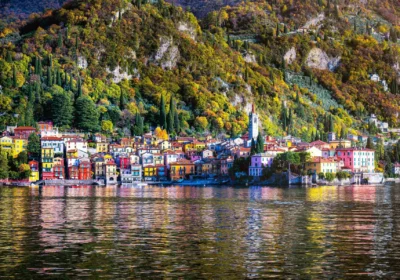
In the Shadow of the Dolomites Tour
Explore northern Italy's mountain cultures on this 13-day small group journey through the Dolomites and beyond.
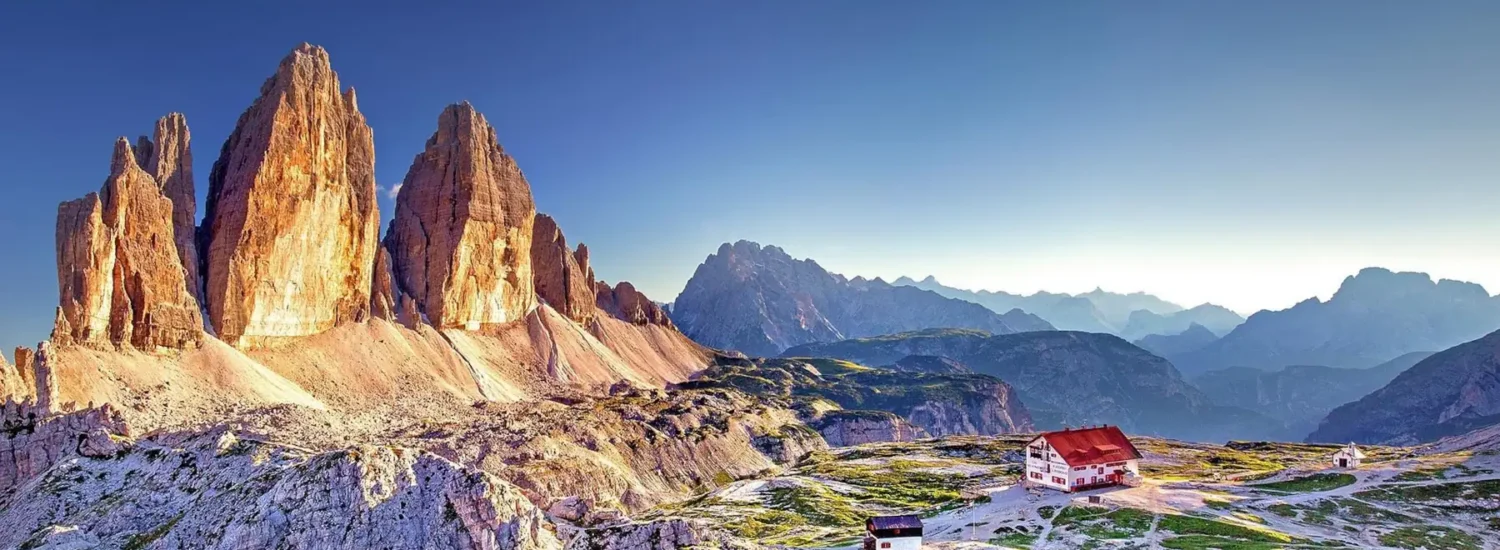
Dolomite peaks, alpine towns and crisp air
The UNESCO-listed Dolomites are among the most dramatic mountain landscapes in Europe — pale limestone peaks that shift colour from white to amber to deep rose at sunset, rising above long green valleys and traditional alpine villages. Lake Braies, ringed by forest and rock, is one of the most beautiful small lakes in Italy, and the northern reaches of Lake Garda offer a wilder, windier alternative to the busier southern shore.
Trentino-Alto Adige has a character shaped as much by Austria as by Italy. In the Alto Adige (South Tyrol), German is spoken as freely as Italian, towns are immaculately kept and the food culture leans toward speck, apple strudel, and excellent local wines produced from steep terraced vineyards along the Wine Road south of Bolzano.
Bolzano and Trento both make comfortable bases with good connections into the surrounding valleys. Choosing one area, whether Dolomite hiking, lake time or wine country, and spending two or three nights there gives a far more satisfying experience than trying to cover the whole region in one pass.
Dolomite scenery, alpine towns, lakes, walking routes and a crisp mountain atmosphere.
A Dolomites viewpoint day, a lake or valley walk, and time in a town such as Trento or Bolzano.
June to September for walking and lifts, or December to March for snow season and alpine atmosphere.
Alpine climate with cool summers, cold winters and rapid changes by altitude; evenings are crisp.
1.1mil people spread through valleys and towns across an alpine landscape.
Trento (regional capital) and Bolzano.
Alpine dishes, canederli dumplings, polenta, cured meats and wines from Trentino and South Tyrol.
Best by car and lifts for valleys and viewpoints; trains connect key towns and the main corridor.
Popular ways to experience Trentino-Alto Adige include our Scenic Journeys, Small Group Tours to Italy through Trentino-Alto Adige and explore Escorted Tours.
Explore northern Italy's mountain cultures on this 13-day small group journey through the Dolomites and beyond.
Journey from Milan through the spectacular landscapes of northern Italy on a nine-day small group tour featuring the Bernina Express, the Italian Alps and Dolomites, beautiful lakes, South Tyrol towns and distinctive regional flavours.
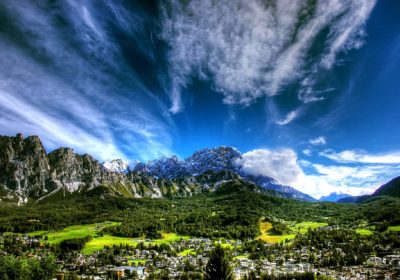
A 13-day larger group journey from Rome to Milan combining iconic Italian cities and breathtaking scenery
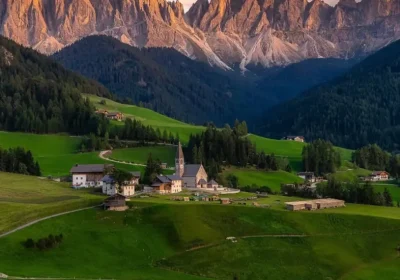
Explore northern Italy's mountain cultures on this 13-day small group journey through the Dolomites and beyond.
Late June through September is when Trentino-Alto Adige comes alive for visitors who want to experience the Dolomites properly. The high mountain passes open by June, and the light in September is crisp and golden—the wildflower meadows have given way to the harvest season. This is a region with a dual soul: it feels Austrian and Italian simultaneously, which you notice immediately in the architecture, the language (Ladin is spoken alongside German and Italian), and the food. The mountains dominate everything here. They’re not the gentle hills of Tuscany; they’re dramatic limestone formations with sheer faces and intimate valleys.
Bolzano is the cultural hub, and the Museo Archeologico dell’Alto Adige holds one of Europe’s most remarkable experiences. Ötzi the Iceman—a 5,300-year-old mummified man preserved in the ice of a glacier—is displayed in a temperature-controlled glass case surrounded by his tools, his leather clothing, his arrows. You can see the weave of his grass cloak, the copper axe head, the arrowheads. It’s humbling in a way few museums achieve. The Wednesday market in Piazza Walther is where you find the best speck and mountain cheese from local producers. From Bolzano, the Strada del Vino (Wine Road) is a 35-kilometre scenic route south through vineyards where Gewürztraminer and Lagrein grow—varietals that thrive in the mountain climate and nowhere else with the same character.
Lake Carezza is a glacial lake that most travellers skip. Drive up into the Dolomites, park, and walk five minutes to find a small perfect circle of turquoise water framed by pine forest and limestone peaks. The Latemar massif reflects in the water on calm mornings before 9am; go early and you’ll have it to yourself. In October the larch forest around the lake turns gold and the hiking becomes almost unreal. The town of Ortisei in the Val Gardena is the centre of the Ladin-speaking world—hand-carved wooden figures and nativity scenes are the craft tradition that goes back centuries. The Sassolungo and Sassopiatto peaks frame the valley like cathedral walls, and the hiking and cycling through these valleys are why serious walkers come here.
The food reflects the geography and history. Speck is cured and smoked ham with PDO protection from the region—nothing like the prosciutto of Parma; it’s drier, smokier, with a mountain character that comes from the Alpine wind used in the curing. Canederli are bread dumplings served in broth, the Austrian Knödel adapted with local ingredients. You eat schüttelbrot (a dense, spiced flatbread), kaminwurzen (small dried sausages), and strudel with local apples. Merano, a spa town on the edge of the region, is built around the Terme Merano (thermal pools with views toward the Ortler massif), and the rose garden at Trauttmansdorff Castle blooms from late May through October. The wines are what make this region distinctive: Gewürztraminer is dry and aromatic, perfect with speck; Lagrein is a full-bodied red found only here; Pinot Grigio grown at altitude tastes completely different from the thin versions you find elsewhere.
Practically: September is ideal because the summer crowds have thinned but the weather holds. December through March is for skiers. The Caldaro lake (Kalterer See) is the warmest lake in the Alps and swimmable in August if you want to combine hiking with water. Merano to the west is more relaxed than Bolzano if you prefer spa culture and lower altitude. The far western villages like Malles Venosta feel Austrian in a way that surprises; very few foreign visitors venture that far.
This is a region for walkers and cyclists as much as it is for culture lovers. The German efficiency and Austrian openness combined with Italian food and art create something you don’t find elsewhere in Italy. Come in September when the light is clearest and the vendemmia (harvest) gives the valleys an energy that lingers.


June–September is ideal for Trentino-Alto Adige if you want open lifts, clear views and comfortable outdoor days. Winter is a highlight for alpine atmosphere and snow-season travel.
Summer suits cable cars, scenic drives and gentle mountain walking. Autumn brings crisp air and a calmer feel. Spring can still be cool at altitude, while winter is perfect for cosy stays, mountain scenery and seasonal markets in many towns.
Climate figures are indicative monthly summaries derived from Open-Meteo.com historical weather data for 2015–2024.
In the mountains, base choice and timing matter. We help you plan for scenery, comfort and realistic daily routes.
We recommend bases that suit your interests, whether you want lifts and viewpoints, walking access, or a quieter alpine atmosphere.
Weather and lift access vary. We align activities with conditions so the trip feels comfortable and enjoyable.
Australian-based planning support and trusted partners so logistics stay smooth in a region where timing matters.
Ready to plan your Trentino-Alto Adige tour? We'd love to help.
Talk to us about Trentino-Alto Adige
A day spent taking in breathtaking views from cable cars is one of the best ways to enjoy the Dolomites comfortably. You get the big scenery without turning the day into a long, strenuous hike, and you can choose the level of walking that suits you.
We like to pair this with a mountain hut lunch and a gentle loop walk. It creates a day that feels special but not exhausting, and it works well for couples, families and mixed-ability groups.
We can recommend the right combination based on your base area and the season.
Accommodation in Trentino-Alto Adige includes alpine hotels, family-run properties and well-located town stays. Because the region is valley-based, location is crucial: the right base can reduce driving and increase time in the scenery. For peak summer and winter dates, booking earlier helps secure the best mix of comfort and access.
Ciasa Salares is an accommodation base in San Cassiano, Trentino-Alto Adige featured in Dolomites Bike + Adventure Tour | 6-Day Cycling & Hiking Tour.
Hotel America Trento is an accommodation base in Trento, Trentino-Alto Adige featured in In the Shadow of the Dolomites 2027 | Small Group Tour.
Hotel Bellavista Riva del Garda is an accommodation base in Riva del Garda, Trentino-Alto Adige featured in In the Shadow of the Dolomites 2027 |…
Hotel Fanes is an accommodation base in San Cassiano, Trentino-Alto Adige featured in Dolomites Bike + Adventure Tour | 6-Day Cycling & Hiking Tour.
Hotel Lamm is an accommodation base in Castelrotto, Trentino-Alto Adige featured in In the Shadow of the Dolomites 2027 | Small Group Tour.
Hotel Meranerhof is an accommodation base in Merano, Trentino-Alto Adige featured in In the Shadow of the Dolomites 2027 | Small Group Tour.
My Arbor is an accommodation base in Bressanone, Trentino-Alto Adige featured in Dolomites Bike + Adventure Tour | 6-Day Cycling & Hiking Tour.
Stadt Hotel Città is an accommodation base in Bolzano, Trentino-Alto Adige featured in Fantastic Alps, Dolomites and Lakes Tour and other Italy Touring itineraries.
If you’re exploring Trentino-Alto Adige, you may also enjoy these nearby Italian regions, each offering its own landscapes, cuisine and cultural experiences.
Late June through September is optimal for hiking and enjoying the open passes and clear light. September specifically is ideal because the summer crowds have thinned, the wine harvest is underway, and the mountain light is at its most golden. December through March is essential if you’re interested in skiing and snow sports. Late May sees the wildflower meadows at their peak. Avoid August if possible; it’s peak tourist season and accommodation is expensive. October is beautiful for autumn colours in the larch forests, particularly around Lake Carezza.
Bolzano is the obvious choice if you want culture, the museum, food markets, and access to the Wine Road. It’s the largest city and has the most restaurants and accommodation variety. Ortisei in the Val Gardena is the choice if you’re serious about hiking or skiing and want to be surrounded by the Dolomites peaks. Merano to the west is quieter, more spa-focused, and feels less touristy; it’s excellent if you want relaxation combined with mountain walks. For wine lovers, staying on the Wine Road itself in smaller towns like Caldaro offers a more intimate experience than Bolzano but requires a car.
Malles Venosta is a village in the far western Vinschgau valley that feels more Austrian than Italian; very few foreign tourists find their way here, and it’s excellent for cycling. The Giardini di Castel Trauttmansdorff near Merano are botanical gardens with thousands of plant species spread across terraced slopes; less crowded than better-known gardens elsewhere in Italy. Castel Trostburg is a South Tyrolean castle museum perched above the Eisacktal valley with incredible views and genuine medieval atmosphere without the crowds of famous fortifications.
Speck is the defining cured meat—drier and smokier than Parma prosciutto, with a PDO protection that ensures authenticity. Canederli (bread dumplings in broth) and kaminwurzen (small dried sausages) are comfort foods unique to this region. Gewürztraminer is the signature white wine, dry and aromatic, perfect with local cheese and speck; Lagrein is a full-bodied red found nowhere else with this character. Strudel with local apples and schüttelbrot (spiced flatbread) are the traditional sweets. The food is Austrian in technique but with Italian ingredients.
A car is essential if you want to explore the Wine Road, remote villages, and mountain valleys. Public transport (trains and buses) connects the major towns but moving between smaller villages requires a car. Cycling is excellent in the valleys, particularly around Ortisei and through the Wine Road; the Dolomites cycling routes are world-class. In winter, dedicated ski buses link towns to ski areas. Bolzano and Merano have town centres small enough to explore on foot, but you’ll want transport to reach Lake Carezza, Ortisei, and the wine regions.
Five to seven days is ideal for combining culture, wine, and hiking. Day one: Bolzano’s museum, market, and the town itself. Days two to three: the Wine Road by car, stopping at Caldaro lake and smaller wine producers. Days three to four: Ortisei or the Val Gardena for hiking or just absorbing the mountain landscape. Day five: Lake Carezza and alpine drives. Day six: Merano for the thermal pools and Trauttmansdorff gardens. This leaves flexibility for extended hikes if you’re serious about walking, or more wine tasting and relaxation.
Veneto is the obvious eastern neighbour, and Verona is only 90 minutes south of Bolzano—perfectly feasible to combine a week in the Dolomites with opera season or the Arena di Verona in July or August. Alternatively, head west into Lombardy (Lake Como and the Italian Lakes) for a completely different Alpine experience. The combination of high mountains and wine culture here is also unique, so if you’re doing a broader northern Italy loop, Trentino-Alto Adige sits naturally between Venice and the Italian Lakes.
Serious walkers and hikers will find world-class trails and infrastructure. Wine lovers appreciate that the wines here are distinct and regional. Families with school-age children do well with the mix of villages, lakes, cable cars, and outdoor activities. Art lovers should not skip Bolzano’s museums. Cyclists find excellent marked routes. The region is less suited to those seeking the stereotypical Italian experience of piazzas and Renaissance art; this is Austria with Italian style. Those wanting to avoid crowds will appreciate that even in high season, the Dolomites valleys feel quieter than Tuscany or the Amalfi Coast.