The Great Gardens of Italy Tour 2027
Discover Italy’s finest gardens on an intimate, small group journey designed for garden enthusiasts and cultural travellers alike.
Quiet southern Italy, rich in surprises
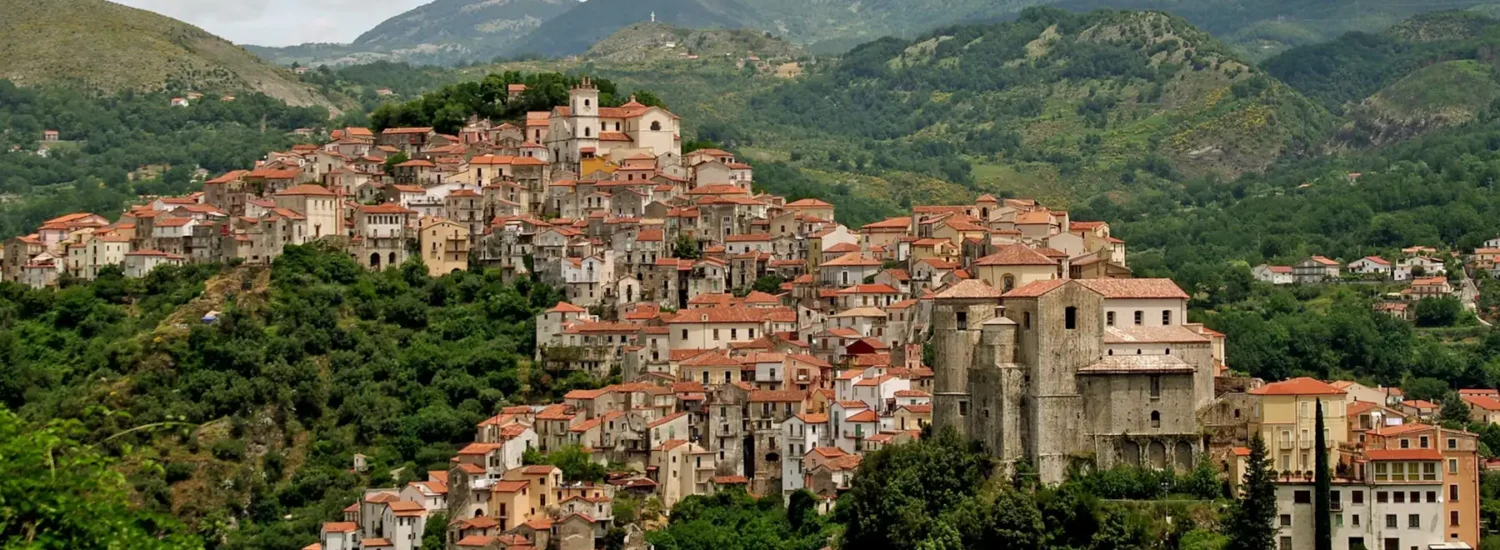
Basilicata transitions between rugged interior mountains, high river plateaus and a small but exceptionally beautiful Tyrrhenian and Ionian coastline. The scenery feels open and dramatic without the sense of touring a theme park. The region remains refreshingly low-key compared to more famous neighbours, which means you experience places as they are rather than as they’ve been adapted for visitors.
Many towns here are literally built for views: stone streets that follow hilltop contours, terraces and viewpoints, compact historic centres perched on high ground. Places like Maratea and the high plateau around Potenza reward wandering without a detailed plan. Unplanned discoveries—a local craftsperson at work, a family-run restaurant, a quiet piazza—often become the most memorable moments of a visit.
Road travel is usually the most practical way to connect towns and landscapes, keeping daily drives reasonable and relaxed. With thoughtful route design, Basilicata becomes a rewarding addition to Puglia, Campania or Calabria itineraries, adding depth without the long transit days that can exhaust a traveller.
Matera, dramatic hill towns, quiet roads and landscapes that feel genuinely untouched.
Matera, mountain villages, scenic drives and coastal time on the Tyrrhenian or Ionian side.
April to June and September to October for mild weather, clear days and comfortable sightseeing.
Mostly Mediterranean, with cooler temperatures inland and warmer coastal conditions.
0.5mil people across smaller centres, with a quiet, local feel and scenic landscapes.
Potenza (regional capital) and Matera.
Hearty mountain cooking, local pastas, dried peppers and robust local wines and cheeses.
Best explored by car or organised transport; public connections are more limited outside key towns.
Popular ways to experience Basilicata include our Small Group Tours to Italy, World Heritage & Historical Tours through Basilicata and explore Food & Wine Tours.
Discover Italy’s finest gardens on an intimate, small group journey designed for garden enthusiasts and cultural travellers alike.

Explore Tuscany through its villages, landscapes and local traditions, blending iconic towns with authentic experiences in the region’s true heartland.

Walk through olive groves, vineyards, trulli country and ancient landscapes on a relaxed seven-day small group tour of Puglia, with long lunches, local guides and six nights in Polignano a Mare.

A festive small-group Christmas journey through Puglia and Matera, featuring UNESCO icons, baroque Lecce, white towns, street food, markets, and seasonal traditions.
Basilicata announces itself with Matera—a cave city unlike anywhere else in Italy, where dwellings carved into limestone cliffs have been continuously inhabited for millennia. Arriving in the Sassi district, you descend into stone alleyways where light arrives at unexpected angles, and the sense of walking through horizontal archaeology becomes overwhelming. October is the ideal month: warm enough for comfortable walking but quiet enough that you can move through the Sassi with genuine reflection rather than crowd management.
Maratea, on the coast, is the region’s other essential anchor—and it is completely different from Matera. Where Matera is cave dwellings and ancient atmosphere, Maratea is clifftop town with Tyrrhenian views and a sense of Mediterranean leisure. Visiting both in one trip reveals Basilicata’s geographic variety: one trip is mountain/limestone/archaeology, the other is sea/light/relaxation. The contrast makes each more meaningful.
Craco, a ghost town south of Maratea, rewards curious travellers who take the time to explore. The village was abandoned in the 1960s due to geological instability, and now it stands empty, its houses gradually returning to stone. Walking its streets—with permission from the authorized guides who manage access—reveals daily life frozen in time: you see where people cooked, slept, worked. It is melancholic and genuinely profound, not the kind of “attraction” that can be rushed.
The Dolomiti Lucane—limestone canyons between Castelmezzano and Pietrapertosa—offer dramatic landscape without Dolomites crowds. The cable way (a gravity-powered line connecting the two villages) is thrilling, while walks through the canyons provide genuine wilderness feeling within easy access. Local restaurants serve lucanica sausage, the region’s most distinctive cured meat, along with pasta dressed simply and wines from small producers making Aglianico del Vulture.
The Aglianico del Vulture wine region, centred on Mount Vulture, produces wines that rival better-known Campanian Aglianicos in quality but at significantly lower prices. Visiting a small winery here, tasting alongside local food—perhaps lucanica or pasta with wild boar—becomes an experience of genuine Italian winemaking culture without the tourism infrastructure of larger wine regions.
October transforms Basilicata into something special: the summer crowds have entirely vanished, temperatures become comfortable for walking, and the light across the limestone landscape shifts to that golden-hour quality all day long. The streets of Matera fill with locals rather than tourists, restaurants serve the food they actually want to cook rather than tourist expectations, and the entire region feels like a place to be discovered rather than consumed.


April–June and September–October are the most comfortable months for Basilicata, especially if your itinerary includes walking and historic towns.
Spring is fresh and green, with pleasant days for exploring places like Matera at an unhurried pace. Summer can be hot, so early starts and shaded afternoons work best. Autumn is excellent for slower touring and food-focused travel, while winter is quieter and suits travellers who prefer fewer crowds and a more local feel.
Climate figures are indicative monthly summaries derived from Open-Meteo.com historical weather data for 2015–2024.
Basilicata is rewarding, but it benefits from smart routing. We help make the logistics feel simple.
We build a route that avoids unnecessary driving and keeps days balanced, with time to enjoy villages and landscapes without rushing.
We guide you toward experiences that feel local and genuine, with the right amount of structure and plenty of breathing space.
From Australia, we provide clear advice, transparent inclusions and help matching you to the right operator or travel style.
Ready to plan your Basilicata tour? We'd love to help.
Talk to us about Basilicata
Basilicata is perfect for a day that is more about atmosphere than ticking off sights. One of our favourite ways to experience the region is to combine a scenic drive with a relaxed lunch in a small town or countryside setting.
You’ll often find viewpoints that feel almost private, followed by a meal that leans into regional tradition: simple dishes, seasonal produce and warm hospitality. It’s an easy inclusion that captures the spirit of the region without needing a packed schedule.
We can recommend the right style of day based on where you’re staying and how you like to travel, keeping the experience comfortable and low-stress.
Basilicata accommodation tends to be smaller and more locally run, with a mix of boutique town stays and countryside options. Comfort levels vary, so selection matters. On a curated itinerary, we focus on properties that offer good location and a sense of place, without overcomplicating the route.

Palazzo Gattini is an accommodation base in Matera, Basilicata featured in A Week In Puglia.
Santavenere is an accommodation base in Maratea, Basilicata featured in Amalfi Coast + Cilento Bike Tour | 6-Day Cycling & Hiking Tour.
If you’re exploring Basilicata, you may also enjoy these nearby regions, each offering its own landscapes, cuisine and cultural experiences.
October is ideal—warm enough for comfortable exploration but quiet enough that you experience authentic towns rather than tourist infrastructure. September to early November offers excellent conditions with increasingly empty streets and seasonal food. Avoid July and August when summer heat can be intense inland. Spring (April-May) is pleasant for the Dolomiti Lucane hiking, but October provides the perfect combination of comfortable weather, few tourists, and local life genuinely unfolding in the streets.
Matera is essential—base yourself here for three to four days to properly explore the Sassi district, nearby Metaponto, and the inland limestone landscape. Maratea on the coast makes an excellent secondary base for two nights, offering sea access and a completely different regional character. These two bases (connected by a scenic drive) reveal Basilicata’s geographic variety and cultural contrast better than trying to move constantly.
Craco is an abandoned village frozen in time, gradually returning to stone—visits with authorized guides reveal daily life from before the 1960s abandonment, offering genuine archaeological atmosphere beyond typical tourist experiences. The Dolomiti Lucane between Castelmezzano and Pietrapertosa offer dramatic limestone canyons and a cable way experience with minimal crowds compared to famous dolomitic equivalents. The Aglianico del Vulture wine region around Mount Vulture offers winery visits and local food experiences in genuine wine country without mass tourism infrastructure.
Lucanica sausage is Basilicata’s most distinctive cured meat, appearing on most restaurant tables and in markets—taste it fresh, cured, or cooked. Pasta here is dressed simply, often with local meat sauces or vegetables, requiring no elaborate technique to taste excellent. Aglianico del Vulture wines from the Mount Vulture region offer quality rivalling famous Campanian Aglianicos at significantly lower prices; small producer visits offer genuine winemaking culture. Local markets in Matera offer produce and prepared foods reflecting actual seasonal eating rather than tourist expectations.
A car is strongly recommended for flexible access to smaller villages, canyon walks, wineries and the Maratea coast. While trains connect Matera to other regions, internal Basilicata travel requires independent transport to reach meaningful destinations. The main road between Matera and Maratea is scenic; mountain roads to the Dolomiti Lucane require careful but rewarding driving. Expect longer drive times than the distances suggest—roads are good quality but wind considerably.
Seven to ten days suits Basilicata properly: three to four days based in Matera (exploring the Sassi daily, visiting Craco and the limestone landscape), two days for the Dolomiti Lucane and Castelmezzano-Pietrapertosa cable way experience, and two to three days in or near Maratea for coastal time and relaxation. This avoids rushing between destinations and allows days for both serious exploration and genuine rest.
Basilicata pairs naturally with Calabria to the south (Mediterranean character continues), or with Puglia to the east (hill town culture and Adriatic access). Most commonly, Basilicata combines with Campania northbound, accessing it easily from Naples and the Amalfi region. A 10-14 day itinerary combining Basilicata (Matera especially) with Calabria or Puglia reveals Southern Italian geography and culture in meaningful depth.
Independent travellers seeking authentic regions relatively untouched by mass tourism. Archaeology and history enthusiasts interested in human settlement patterns and ancient dwelling sites. Food and wine lovers wanting to taste regional specialities in genuine contexts. Landscape photographers drawn to dramatic limestone formations and clifftop towns. It suits less well those seeking beaches primarily, major art collections, or constant infrastructure—come here expecting to move slowly, think deeply, and engage with place on its own terms rather than tourist terms.