A Week in Piedmont | Women Only Tour
Introducing Tauck Women-Only Departures on select journeys – offered exclusively for women seeking meaningful travel experiences. Price on request!
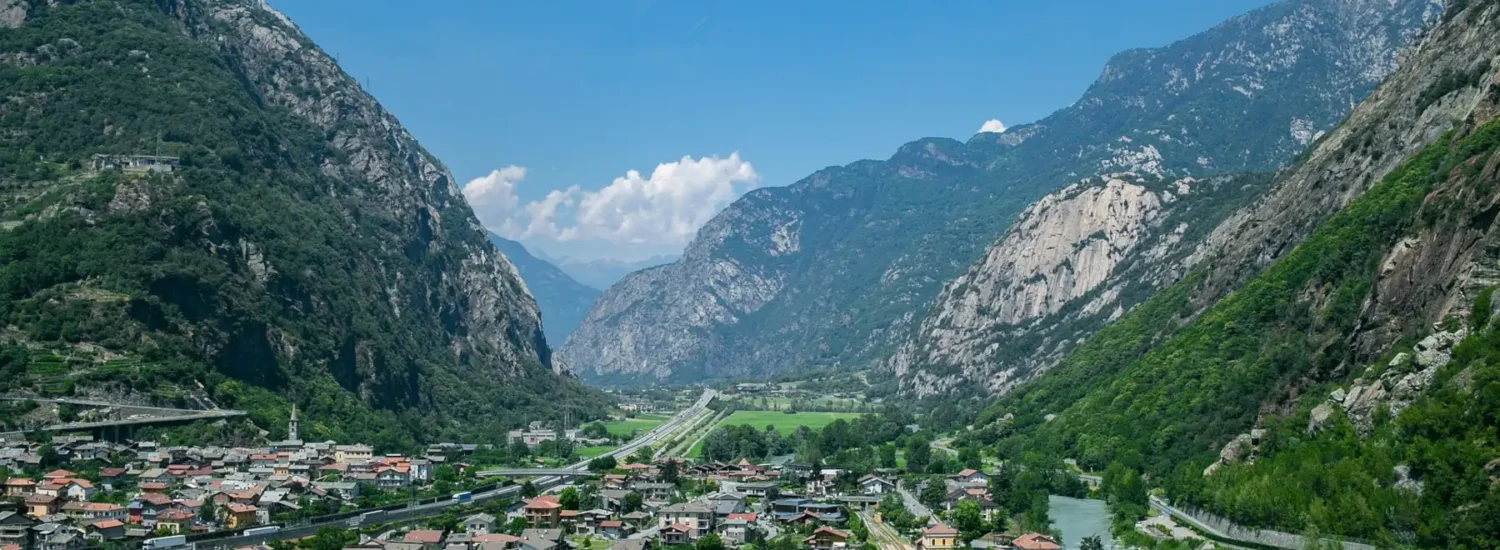
Vineyard hills, royal Turin and alpine views
Turin is one of Italy’s most underrated cities — a grand, walkable grid of Baroque streets, elegant piazzas and cafes that invented both the aperitivo and the bicerin. The Egyptian Museum is the finest outside Cairo, the Royal Palace and its connected museums warrant a full day, and the Mole Antonelliana houses a film museum as inventive as the building itself. The city has a confidence and a quality of life that rewards a couple of days rather than a rushed visit.
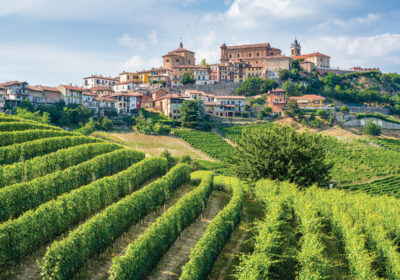
Piedmont is known as one of Italy’s great food and wine regions. The Langhe hills around Alba produce Barolo and Barbaresco, two of the country’s best red wines, alongside the world’s most prized white truffles in autumn. Dining here is a serious affair; tajarin pasta, agnolotti del plin and slow-braised meats reflect a culinary tradition that is deeply local and genuinely outstanding.
A city base in Turin combined with two or three nights in the Langhe covers the region’s highlights comfortably. Driving between them takes under two hours, and the roads through the vine-covered hills are scenic enough to make the journey part of the experience.
Turin, vineyard hills, seasonal cuisine, truffles in season, and a refined northern Italy feel.
Turin plus a vineyard landscape stay or day trip, with time for relaxed dining and town wandering.
May to June and September to October for vineyard scenery and a strong food and wine calendar.
Continental; warm summers and cooler winters, with crisp air in the hills and Alps.
4.3mil people centred around Turin with vineyard hills, towns and alpine areas.
Turin (regional capital), Novara, Alessandria and Asti.
Seasonal northern dishes, truffle, chocolate and strong wine traditions in vineyard country.
Turin is easy by train; vineyards and hill towns are best explored by car or organised transport.
Popular ways to experience Piedmont include our Small Group Tours to Italy, Food & Wine Tours through Piedmont and explore Scenic Journeys.
Introducing Tauck Women-Only Departures on select journeys – offered exclusively for women seeking meaningful travel experiences. Price on request!

Lake Maggiore, Lake Orta and Lake Como on a relaxed 9 day small group journey, with alpine landscapes, private boat trips and time to enjoy the lakes at an unhurried pace.

Experience Piedmont through historic cities, vineyard landscapes and exceptional food and wine, designed for travellers who appreciate culture, flavour and refined Italian living.

Explore Piemonte and Valle d’Aosta – A two-week immersion in Italy’s wine, history, and mountain landscapes.
October is when Piedmont truly reveals itself. The White Truffle Fair runs every weekend through November in Alba, and the town fills with that earthy, intoxicating smell that gets into your clothes and your memory for years. This is the moment to hire a local trifolao with their truffle-hunting dog—it’s one of those rare Italy experiences that actually lives up to the hype. You’ll walk through misty oak and hazel woodland, watching the dog work, and when they find one, you’ll understand why a single white truffle can cost more than a flight to Rome.
The Langhe hills in autumn are a completely different landscape from summer. The Nebbiolo leaves turn red-gold between Barolo and Barbaresco; the morning mist sits in the valleys so thick you can’t see fifty metres; each village has its own wine character and you can taste the difference between one hillside and another. Walk the 5km trail between Barolo and La Morra for uninterrupted vineyard views and stop for lunch at a rifugio halfway. The Reggia di Venaria Reale, a Savoy royal palace near Turin that rivals Versailles, sits empty while tourists queue at other monuments—a 20-minute train ride from the city centre and worth more of your time than either.
Sacra di San Michele deserves a full day. This Benedictine abbey from the 11th century sits on a ridge above the Val di Susa, built into the rock face itself, looking down over the valley toward Turin. The climb from Avigliana village is steep—about 90 minutes—but the staircase of the dead at the top, with carved zodiac signs in the stone, makes you understand why medieval pilgrims came here. Stay for the light; at 4pm the valley fills with amber.
Food here is serious. Tajarin—egg yolk pasta, often just dressed with butter and locally shaved white truffle—is November eating at its best. But try vitello tonnato in September when the veal is at peak and the anchovy-tuna sauce hits differently; brasato al Barolo (beef braised in red wine), bagna càuda (hot anchovy and garlic dip, served with raw vegetables and bread), and the gianduia chocolate that Piedmont invented and still does better than anywhere else. The wines are the framework: Barolo and Barbaresco for serious drinking, Barbera d’Asti for everyday, Dolcetto for lighter moments, Moscato d’Asti for dessert without being saccharine. Asti Spumante gets dismissed, but a cold glass on a September afternoon is honestly lovely.
Turin is underrated as a city destination. The Egyptian Museum is the second most important in the world after Cairo; the Museo Nazionale del Cinema in the Mole Antonelliana has a view of the Alps from the top; and the café culture is genuinely distinct—bicerin, an espresso topped with chocolate and cream served in a small glass, has been made the same way at Caffè Al Bicerin since 1763. The Porta Palazzo market on Saturday morning is where locals actually shop, not tourists.
October through November is ideal; skip July and August entirely—it’s hot, crowded, and the wine harvest hasn’t started yet. Book truffle experiences in September when the season opens. If you can’t get to Alba for the Fair, hire a guide independently through a local wine producer; they know better spots anyway.


May–June and September–November are the standout months for Piedmont, especially if your trip includes vineyards, countryside towns and food-focused experiences.
Spring is fresh and comfortable for city days and early vineyard travel. Summer can be warm, with long days that suit a slower pace. Autumn is the classic season for vineyards and a more relaxed rhythm, while winter is quieter and can suit travellers who enjoy city culture, cosy dining and (in the right areas) snow-season scenery.
Climate figures are indicative monthly summaries derived from Open-Meteo.com historical weather data for 2015–2024.
Piedmont is about quality: the right bases, the right pacing and the right food and wine experiences. We help you choose well.
We design itineraries that keep the pace comfortable, focusing on the best areas rather than trying to do too much.
We recommend experiences that feel local and meaningful, with a focus on quality and relaxed timing.
Clear advice from Australia and trusted partners on the ground, from booking through to travel.
Ready to plan your Piedmont tour? We'd love to help.
Talk to us about Piedmont
Piedmont is one of Italy’s best regions for a tasting day that feels relaxed and genuinely enjoyable. The ideal format is simple: one thoughtful tasting, one great meal, and plenty of time to take in the landscape.
We prefer experiences that focus on the people behind the wine and the local food culture, rather than rushing through multiple stops. Done well, it becomes one of those days that travellers talk about for years.
We can tailor the style of tasting to your interests and travel pace, from introductory to more in-depth.
Piedmont accommodation ranges from city hotels in Turin to boutique countryside stays in vineyard areas. The best countryside properties often have limited rooms, especially in popular seasons. We focus on location and atmosphere so you can enjoy the region without long daily drives.
4-star hotel refurbished in a very modern but enjoyable design using locally made materials as much as possible. Service is enthusiastic and rooms are comfortable.
The final two nights are at Cascina Galarej on a historic Barolo estate. It is the base for the rides through Monforte d’Alba, Barolo and…
Grand Hotel des Iles Borromées & Spa is an accommodation base in Stresa, Piedmont featured in A Week in Piedmont | Women Only Tour.
4-star hotel, comfortable, elegantly furnished and very central.
Hotel Ancora is an accommodation base in Verbania, Piedmont featured in Italian Lakes Discovery Tour 2027 | Small Group Tour.
In Torino, we stay at the centrally located 4-star Hotel Concord Torino, providing easy access to the city’s grand piazzas, historic cafes and cultural landmarks.

Hotel Giacomo Morra is an accommodation base in Alba, Piedmont featured in Piedmont Small Group Tour 2026.
Hotel Palazzo Lovera is an accommodation base in Cuneo, Piedmont featured in Gastronomic Piedmont Tour.
Hotel Pallanza is an accommodation base in Pallanza, Piedmont featured in Italian Lakes Discovery Tour 2027 | Small Group Tour.
In the Langhe region, we stay in Cherasco at Hotel Somaschi, a historic monastery converted into a hotel. This unique setting combines traditional character with…
Il Boscareto Resort & Spa is an accommodation base in Serralunga d’Alba, Piedmont featured in A Week in Piedmont | Women Only Tour.
Principi di Piemonte is an accommodation base in Turin, Piedmont featured in A Week in Piedmont | Women Only Tour.
Relais San Maurizio is an accommodation base in Santo Stefano Belbo, Piedmont featured in Piedmont Truffle Bike Tour | 6-Day Cycling Tour.
If you’re exploring Piedmont, you may also enjoy these nearby Italian regions, each offering its own landscapes, cuisine and cultural experiences.
October is unbeatable: the White Truffle Fair runs weekends through November, the Langhe vineyards turn red-gold, and the weather is cool and clear. June works if you want to avoid crowds, with wildflowers and the Pordenone rose festival. September, as the harvest begins, has excellent food, warm days and manageable crowds. Avoid July-August entirely—it’s hot, tourists crowd the wine towns, and many producers are closed.
Alba is the truffle and wine capital, with access to the Langhe vineyards and the Fair in autumn. La Morra offers quieter vineyard walks and better light in evening. Turin works if you want urban culture, museums and café life mixed with day trips to the Langhe. Asti is smaller and more residential. Each offers something different—choose based on whether you want to centre on wine, food, hiking or city culture.
Sacra di San Michele, an 11th-century abbey built into a ridge above the Val di Susa, is staggering and rarely crowded—the hike from Avigliana takes 90 minutes but the views and the medieval stonework justify every step. The town of Saluzzo, south of Turin, has preserved medieval streets, a castle, and a cathedral without any tourist infrastructure. Lago d’Orta, quieter than Como or Maggiore, has a small island with a church and villages that genuinely feel lived-in rather than posed.
Tajarin with shaved white truffle in October-November is non-negotiable if you can afford it. Seek out brasato al Barolo, a beef braised for hours in one of the region’s greatest reds—it comes apart at the table. Bagna càuda, a hot anchovy and garlic dip surrounded by raw vegetables, is autumn comfort eating. Taste Barolo and Barbaresco side by side from different producers to understand terroir—they come from adjacent hillsides but taste completely different. Gianduia chocolate, the local hazelnut-chocolate invention, is better from a proper pastry shop than any supermarket.
Rent a car if you can; the Langhe villages are spread across hills and public transport is limited. If driving feels daunting, book a private driver for Langhe days and use trains for Turin to Alba (1.5 hours). Many wine producers arrange pickups from Alba for tastings, so confirm transport before you book. Parking in Alba and Barolo is tight in season—arrive early or park in surrounding towns and walk in.
Five days is minimum; seven-ten is ideal. Day 1: Turin museums and café culture. Days 2-3: Alba base, truffle hunting or wine tastings, the Langhe walking trail, truffle market. Days 4-5: day trips to Sacra di San Michele, Saluzzo, Lago d’Orta, or deeper wine tastings. Adjust based on whether you prioritise food, wine, hiking or art history—Piedmont rewards depth over speed.
Liguria (Genoa is 2 hours south) shifts you to the coast and Mediterranean food; the contrast sharpens your sense of place. The Aosta Valley (90 minutes north) takes you to the Alps, castles and higher-altitude walking. Both make logical extensions. Avoid trying to rush through both—Piedmont alone deserves five days, and adding a second region works best if you have 10 days total.
Serious food and wine lovers; people who want Italian sophistication without the crowds of Tuscany; hikers who enjoy vineyard walking and architectural detours; culture travellers interested in museums, baroque churches and royal palaces. If you want beaches, nightlife or pure relaxation, look elsewhere. Piedmont rewards curiosity, a good palate, and willingness to move around.