Footpaths of Umbria | Walking Tour
Explore Umbrian footpaths, art, wine and medieval towns from Città di Castello to Assisi, with guided walks, historic sites and scenic landscapes.
Hill towns, vineyards and a calm central rhythm
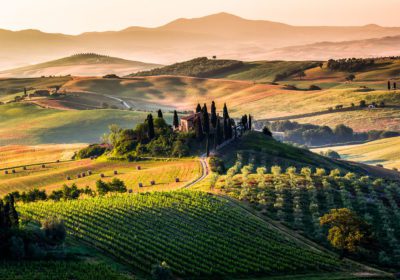
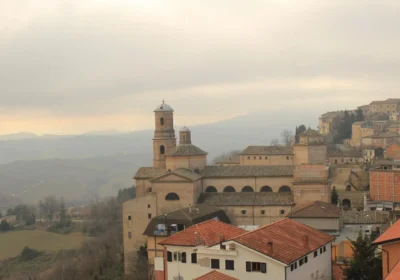
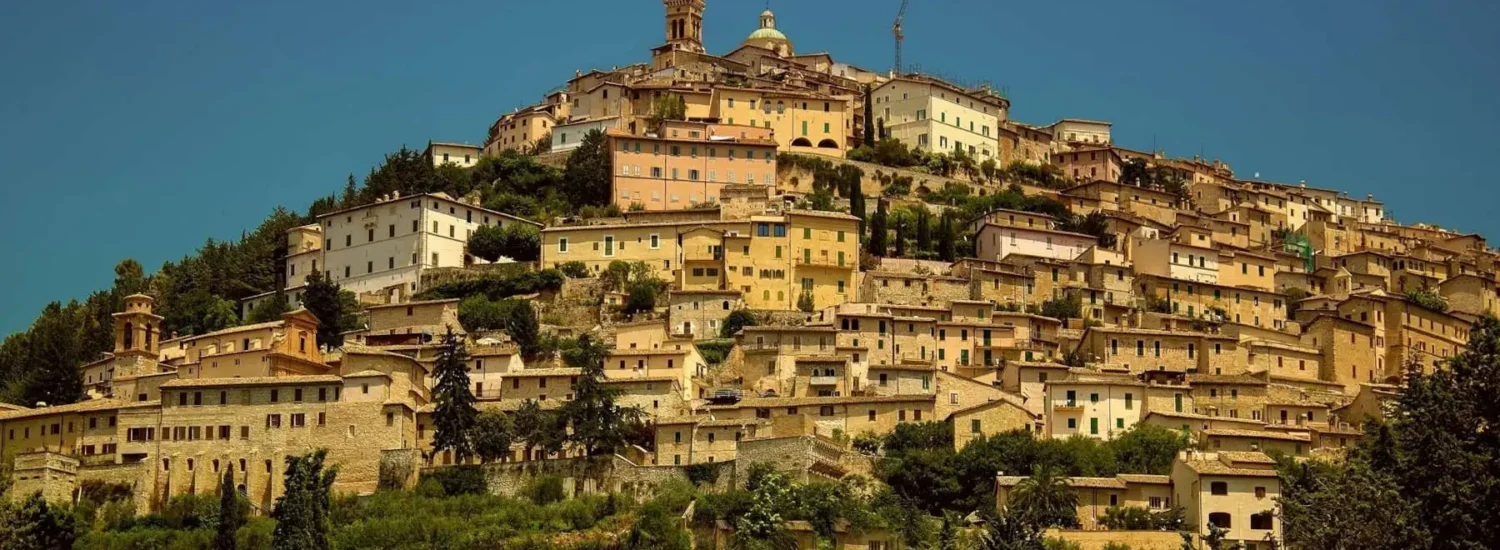
Umbria is often described as Tuscany without the crowds, which is fair but undersells it. The landscape of rolling hills, olive groves and fortified hilltop towns has its own quieter beauty, and the pace of life in places like Spoleto and Todi reflects a region that hasn’t been reshaped around tourism.
Assisi is the region’s most popular destination and earns its reputation — the Basilica di San Francesco holds Giotto’s famous fresco cycle and remains an active pilgrimage site. Perugia, the regional capital, has a well-preserved medieval centre and a strong food culture built around its chocolate traditions. Orvieto sits on a dramatic volcanic plateau with a cathedral facade considered one of the finest examples of Italian Gothic architecture.
Trains connect Perugia, Assisi and Orvieto, but a car makes it easier to reach smaller hill towns and countryside. A two-base approach, one in the north around Perugia and one further south, works well without too much backtracking.
Hill towns, olive oil, vineyards, and a calm, inward-looking side of central Italy.
Perugia and Assisi, plus a classic hill town stop such as Orvieto or Spoleto.
April to June and September to October for clear days, walking and seasonal food.
Warm summers and cooler winters; spring and autumn suit walking and countryside touring.
0.9mil people across hill towns and small cities in Italy’s “green heart”.
Perugia (regional capital), Terni, Foligno and Spoleto.
Black truffles, olive oil, simple pastas, cured meats, legumes and regional wines.
Trains for main stops; a car or driver helps most for hill towns and countryside routes.
Popular ways to experience Umbria include our Scenic Journeys, Escorted Tours through Umbria and explore Food & Wine Tours.
Explore Umbrian footpaths, art, wine and medieval towns from Città di Castello to Assisi, with guided walks, historic sites and scenic landscapes.
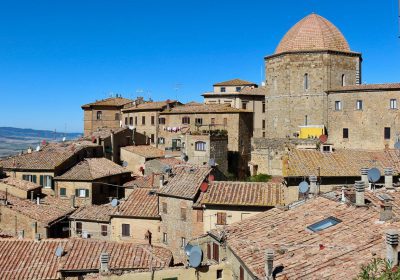
Ride from the Adriatic to the Ligurian Sea across Le Marche, Umbria and Tuscany on a demanding seven-day road-cycling challenge.

See Italy change before your eyes on a 15-day Fantastic Combo journey from Rome through the great art cities, northern lakes and Alps to the colourful Ligurian coast. Along the way are Florence, Venice, Lake Como, the Bernina Express, Portofino, Cinque Terre and the food traditions of Modena.
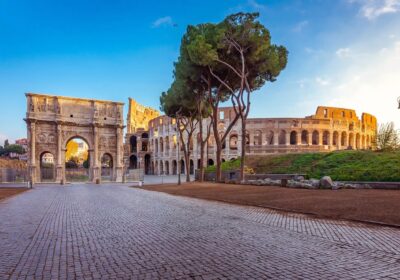
Journey from Rome to Milan on a 12-day Fantastic Combo escorted tour through some of Italy's great art cities before slowing the scenery down among vineyards, lakes and mountains. Florence, Venice and Verona are joined by Lake Garda, Lake Como, Bellagio and a spectacular journey on the Bernina Express.
May and October are when Umbria reveals itself. In May, the wildflowers are out on the Sibillini mountain plateaux; the piano di Castelluccio in June is covered in red poppies and blue borage so intensely coloured that you question whether the colours are real. In October, the autumn truffle season begins in Norcia and the Valnerina, and the light is golden in a way that makes even modest villages look extraordinary. Umbria sits in the shadows of Tuscany’s fame, which means lower accommodation prices and fewer tour groups, but the art, history, and landscapes are as compelling as anywhere in central Italy. The region feels less polished, more genuine, because it hasn’t been reshaped entirely around tourism.
Assisi is where Francis of Assisi founded his order, and the Basilica di San Francesco sits on the edge of the medieval town. The church has two levels: the lower church is dark and candlelit with Cimabue’s Byzantine-influenced frescoes and Simone Martini’s scenes of St Martin; the upper church holds the Giotto fresco cycle that changed Western art. Arrive at 8am before the pilgrim groups arrive (by 9:30am the church is crowded with organized tours). The town itself is beautifully preserved medieval architecture; an evening walk after most visitors have left reveals a place of genuine peace. Orvieto sits high on a tufa plateau, and the Duomo facade (gold mosaics, intricate bas-reliefs, rose window) is extraordinary in afternoon light. Inside the Cappella di San Brizio, Luca Signorelli’s Apocalypse frescoes from 1499 are so technically accomplished that Michelangelo studied them before painting the Sistine Chapel. The Orvieto underground is unlike anywhere else in Italy: 1,200 years of tunnels, wells, and dovecotes carved into the soft tufa stone; guided tours reveal a completely subterranean city beneath your feet.
Spoleto is compact, elegant, and walkable. The Roman theatre is still used for concerts and performances; the Ponte delle Torri aqueduct-bridge spans a deep gorge with extraordinary engineering. The Festival dei Due Mondi (late June-July) brings international theatre and music, but the town empties and returns to its quiet self after the festival ends. Spello is a hill village built in pink stone with Roman gates, and the parish church holds Pinturicchio’s frescoes in the Cappella Baglioni; roses bloom everywhere in May-June, and the Infiorata festival in June fills the main street with flower carpets. Lake Trasimeno to the west is the largest lake in central Italy, surrounded by olive groves and medieval villages; Castiglione del Lago has a good castle and beach. The lake fish (tench, eel, perch) are prepared in the local brodetto. A quiet afternoon by the water is one of the underrated pleasures of Umbria.
Umbrian food reflects the mountains and the forest. Norcineria is the craft of Norcia’s pork butchers: salami, prosciutto, and lonza that are exported throughout Italy and widely imitated. Tartufo nero di Norcia (black truffle) is shaved over pasta, eggs, and risotto; the Valnerina is truffle country. Strangozzi is a local pasta, thicker than spaghetti and served with a truffle or sauce. Torta al testo is a flatbread cooked on a terracotta tile, filled with cheese or greens. Sagrantino di Montefalco is a tannic, structured red wine found only in this small area around Montefalco; it’s serious wine, challenging and rewarding. The wines of Umbria are not as famous as Tuscany’s, which is precisely why exploring them rewards your attention more.
Practically: May through June and October are optimal. July and August are warm and can be crowded around Assisi. September is excellent but the truffle season hasn’t begun. A car is helpful but not essential in the main towns; trains connect Assisi, Spoleto, and Orvieto to Perugia (the regional capital). Perugia itself is worth a day (medieval winding streets, the Galleria Nazionale, ceramics tradition). Don’t miss the small villages: Bevagna has extraordinary Roman mosaics and almost no tourists; Narni has an underground city and Romanesque cathedral; Todi sits on a hilltop with one of Italy’s best piazzas (the Piazza del Popolo).
Umbria suits travellers who want the art and spirituality of central Italy without the Tuscany crowds and price tags. The combination of religious art (Giotto, Signorelli), quiet hill towns, and serious food and wine makes this region underrated rather than overrated.


April–June and September–October are ideal for Umbria, with comfortable conditions for hill towns, countryside drives and food-focused travel.
Spring is fresh and green, perfect for walking days and town exploration. Summer brings hotter afternoons, so early starts and relaxed pacing help. Autumn is a highlight for countryside colour and a calmer feel, while winter is quiet and suits travellers who prefer an unhurried itinerary with local character.
Climate figures are indicative monthly summaries derived from Open-Meteo.com historical weather data for 2015–2024.
Umbria is simple to enjoy when the pacing is right. We help you choose the best bases and experiences for a relaxed trip.
We recommend one or two well-chosen bases so you can explore without long backtracking days or constant hotel changes.
We suggest experiences that suit Umbria’s strengths: food culture, small towns and countryside atmosphere, without feeling over-programmed.
Straightforward advice, transparent inclusions and support through planning and booking, with trusted on-ground partners when needed.
Ready to plan your Umbria tour? We'd love to help.
Talk to us about Umbria
One of the best ways to experience Umbria is through its everyday food culture. A guided market stroll followed by a truffle-focused lunch (in season) gives you a simple, memorable window into the region’s flavours and pace.
The goal is not to rush from one tasting to the next. It is to learn what to look for, understand the local ingredients, and then enjoy a long meal that feels like it belongs in the day rather than being bolted on.
We can recommend the right style of experience based on your base town and the time of year, keeping it enjoyable rather than overly structured.
Umbria accommodation ranges from city hotels in Perugia and other centres to countryside agriturismi and small boutique properties in hill towns. The best choice depends on how you want your days to feel: walkable cities suit central bases, while countryside stays prioritise atmosphere, views and quiet evenings. In peak months, the most appealing small properties can be limited, so booking earlier helps.
Borgo della Marmotta is an accommodation base in Poreta, Umbria featured in Italian Coast-to-Coast Journey Bike Tour | 7-Day Cycling Challenge.
A comfortable 4-star hotel, located in an elegantly converted former tannery, just within the city walls. Single rooms are doubles for sole use throughout.
central, 4-star hotel, renovated respecting the original architecture.
Palazzo Seneca is an accommodation base in Norcia, Umbria featured in Italian Coast-to-Coast Journey Bike Tour | 7-Day Cycling Challenge.
If you’re exploring Umbria, you may also enjoy these nearby Italian regions, each offering its own landscapes, cuisine and cultural experiences.
May and June are ideal: the wildflowers are blooming on the Sibillini plateaux, the light is clear, and accommodation is available without requiring advance booking. October is excellent for autumn light and the beginning of the truffle season. The piano di Castelluccio near Norcia is covered in wildflower poppies in June. Late September begins the truffle season in the Valnerina. Avoid August (hot and crowded around major sites like Assisi). November through March is quieter and accommodation is cheap, but many smaller businesses close and the light is grey.
Perugia is the regional capital and a good central position for accessing the whole region, though it feels more urban than the classic hill towns. Assisi is essential if spirituality and art are your focus, though it’s very pilgrim-oriented. Orvieto is smaller, more manageable, and the Duomo is extraordinary. Spoleto is elegant, compact, and less touristy than Assisi. The Valnerina (the valley around Norcia) is perfect if you want truffles, mountain walks, and isolation from other tourists. Most visitors spend two to three nights in different towns rather than staying in one base.
Bevagna is a medieval village with extraordinary Roman mosaics and virtually no tourists; it’s small enough to walk in 30 minutes but feels like stepping into a different century. Narni has an underground Roman city and a beautiful Romanesque cathedral; it’s south of Terni and off the standard tourist route. Todi sits on a hilltop with the Piazza del Popolo, widely considered one of Italy’s finest piazzas, yet it attracts fewer tourists than Assisi or Orvieto.
Norcineria refers to the pork butchery tradition of Norcia: prosciutto, salami, and lonza that are world-class. Tartufo nero di Norcia (black truffle) is shaved over pasta, eggs, and risotto. Strangozzi is a local pasta served with truffle or meat sauce. Torta al testo is a flatbread cooked on a terracotta tile. Sagrantino di Montefalco is the signature wine: tannic, structured, and found only in this small region. The food is mountain food, hearty and serious, heavily featuring pork and forest products.
Trains connect Assisi, Spoleto, and Orvieto to Perugia; bus connections link smaller towns. A car is helpful for accessing the Sibillini plateaux, the Valnerina, and small villages, but not essential for visiting the main towns. The distances are short: Assisi to Orvieto is roughly 90 minutes by car. Hiking is excellent if you want to move between villages on foot or explore the mountain plateaux.
Five to seven days is comfortable. Suggested: Day one in Perugia for orientation and food markets. Days two to three: Assisi (Basilica at 8am, walk the town, evening calm). Day four: Orvieto (Duomo, underground tunnels, wine tasting). Day five: Spoleto (Arena, Ponte delle Torri, Festival if visiting June-July). Days six to seven can be Todi and Bevagna (for lesser-known piazzas and art), or the Valnerina (Norcia, truffle season in October, mountain walks). This leaves flexibility for an extra day in any town that captivates you.
Tuscany to the west is the obvious pairing: Siena is roughly 90 minutes from Assisi. A combined Umbria-Tuscany trip of 10-14 days is ideal. Alternatively, combine with Lazio (Rome and surrounding countryside) to the south. Umbria makes sense as a quieter alternative to Tuscany for those who want art and landscape without Tuscany crowds and price tags.
Art and religious history lovers thrive here; the Giotto and Signorelli frescoes are essential art historical experiences. Walkers and hikers find the Sibillini mountains and valleys rewarding. Food and wine enthusiasts appreciate the truffle culture and Sagrantino wines. Those seeking a Tuscany-adjacent experience without the crowds and high prices find it here. Spirituality-focused travellers are drawn to Assisi. The region is less suited to beach lovers or those wanting purely urban nightlife; it’s a region of quiet contemplation and landscape.